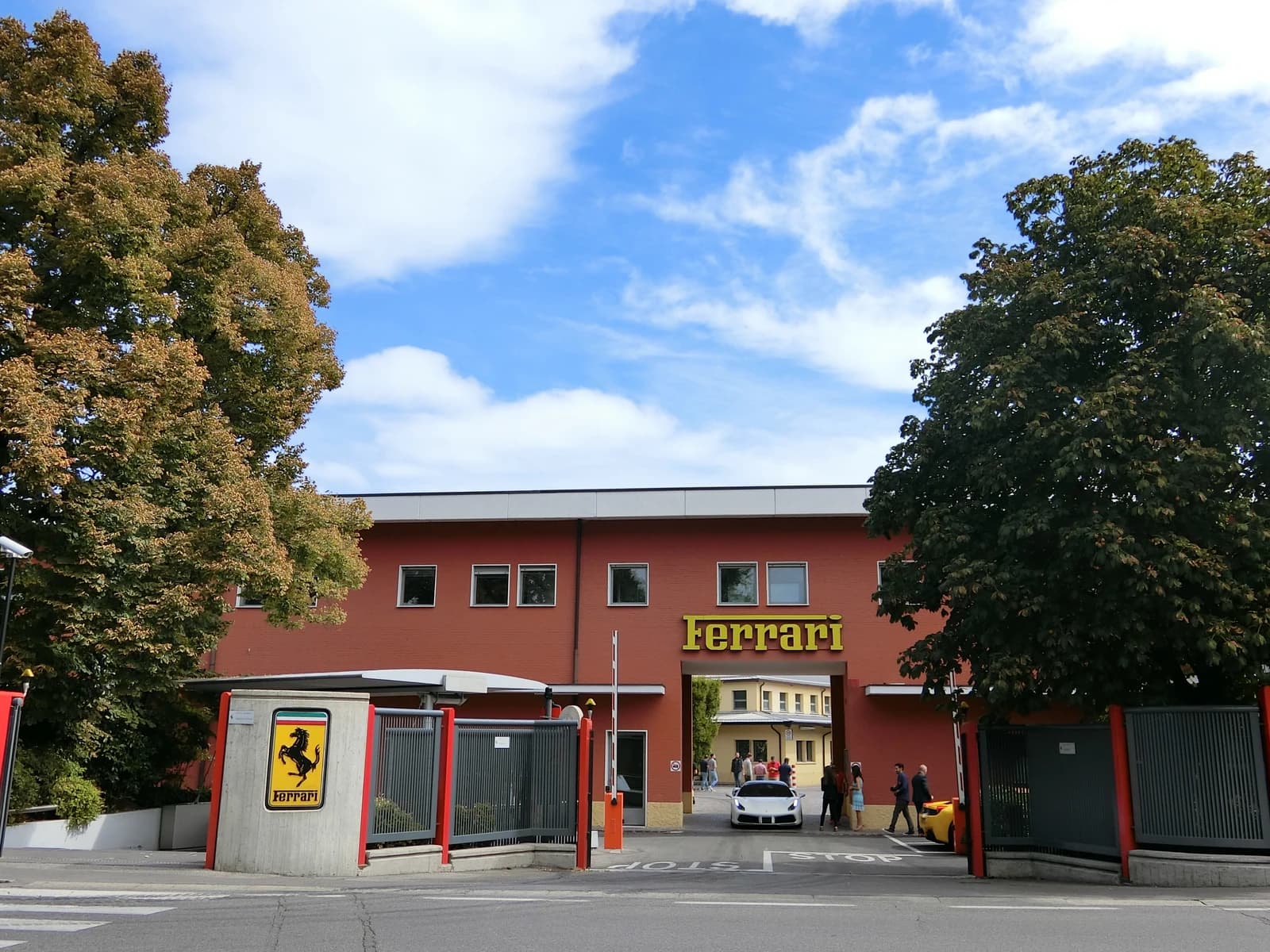
Ferrari is doubling down on its most profitable advantage: using the racetrack as a product laboratory to keep its road cars rare, extreme and highly priced.
Ferrari unveils 296 Challenge Stradale and Evo
At the company’s World Finals in Montmeló, Barcelona, Ferrari unveiled two new 296 variants that sharpen that strategy. The 296 Challenge Stradale is road-legal, while the 296 Challenge Evo is built strictly for the brand’s one-make racing series from 2027. Together, they show Ferrari is still willing to reach for performance through lightweight engineering and aerodynamics rather than pure electrification — a choice that supports its brand power and, by extension, its pricing power.
Sentiment Indicators
That matters because Ferrari’s business model depends less on volume than on scarcity, desirability and technical differentiation. The Stradale drops the hybrid system entirely and relies on a twin-turbo 3.0-liter V6 making 670 horsepower, cutting weight to 1,330 kilograms dry — 140 kilograms less than the 296 GTB — and delivering 617 kilograms of downforce at 250 km/h, 72% more than the GTB. The Evo takes the same six-cylinder layout to 700 horsepower and improves lap time by eight-tenths at Mugello versus the previous Challenge. Those are not just engineering trophies; they are the kind of numbers that help Ferrari defend the exclusivity premium investors buy into.
Pirelli is part of that thesis. The tiremaker developed two Ferrari-specific F-marked P Zero products for the new car, including the Trofeo RS semi-slick and the more versatile P Zero R. That reinforces how Ferrari’s ecosystem is built around high-margin, tightly controlled partnerships, not commodity manufacturing. For investors, the key takeaway is that Ferrari’s moat is still being built where enthusiasts can see it most clearly: on track, in the paddock and in the showroom.
The timing also matters. Ferrari is under pressure on the racing front, with recent Formula 1 frustration highlighting how much the brand still lives and dies by performance credibility. These new 296s are a reminder that even when the F1 team stumbles, the road-car business can still be protected by the company’s long-standing playbook: turn motorsport into aspiration, and turn aspiration into margin.
For shareholders, the investable implication is straightforward. Ferrari does not need mass-market electrification narratives to support the equity story. It needs continued proof that its cars remain the closest thing to race cars you can buy. This launch strengthens that case and reinforces why Ferrari remains one of the most durable premium-brand stories in global autos.
| Entity | Gains | Losses |
|---|---|---|
| Ferrari | ▲Brand exclusivity | ▼Electrification purists |
| Ferrari customers | ▲Track-derived road cars | ▼Buyers seeking comfort over edge |
| Pirelli | ▲OEM prestige | ▼Generic tire makers |
| Rivals in luxury autos | ▲Little | ▼Pricing power gap |