A fresh wave of electric-car launches is widening the market from bargain city runabouts to ultra-luxury flagships, and that matters because it shows EV demand is no longer just about one price point or one kind of buyer.
EV launches broaden from budget to luxury
The lineup is getting broad enough to pull in shoppers who once had no reason to consider a battery-powered car. At the low end, Dacia’s second-generation Spring starts at 17,900 euros before incentives, with a 250-kilometer range and a bigger, more practical cabin than its predecessor. That is still a city car, but it is the kind of entry-level EV that can bring first-time buyers into the market.
Sentiment Indicators
Move up a rung and the story becomes one of legitimacy. Audi’s new A2 e-tron, which starts at 35,760 euros, offers up to 646 kilometers of range and a drag coefficient of 0.24, while Mazda has simplified the 6e into a single 258-horsepower version with up to 560 kilometers of range. These are the kinds of numbers that help erase one of the EV market’s biggest objections: that electric cars demand too much compromise.
Then there is BMW, whose new i3 sedan is the headline-grabber for long-distance drivers. Its top version claims up to 912 kilometers of range, enough to make the Spain-to-Cadiz run from Santander in one shot under ideal conditions, and it can recover nearly half its range in 10 minutes at 400-kilowatt chargers. That kind of capability does not just appeal to enthusiasts; it pushes the whole industry closer to the convenience of gasoline.
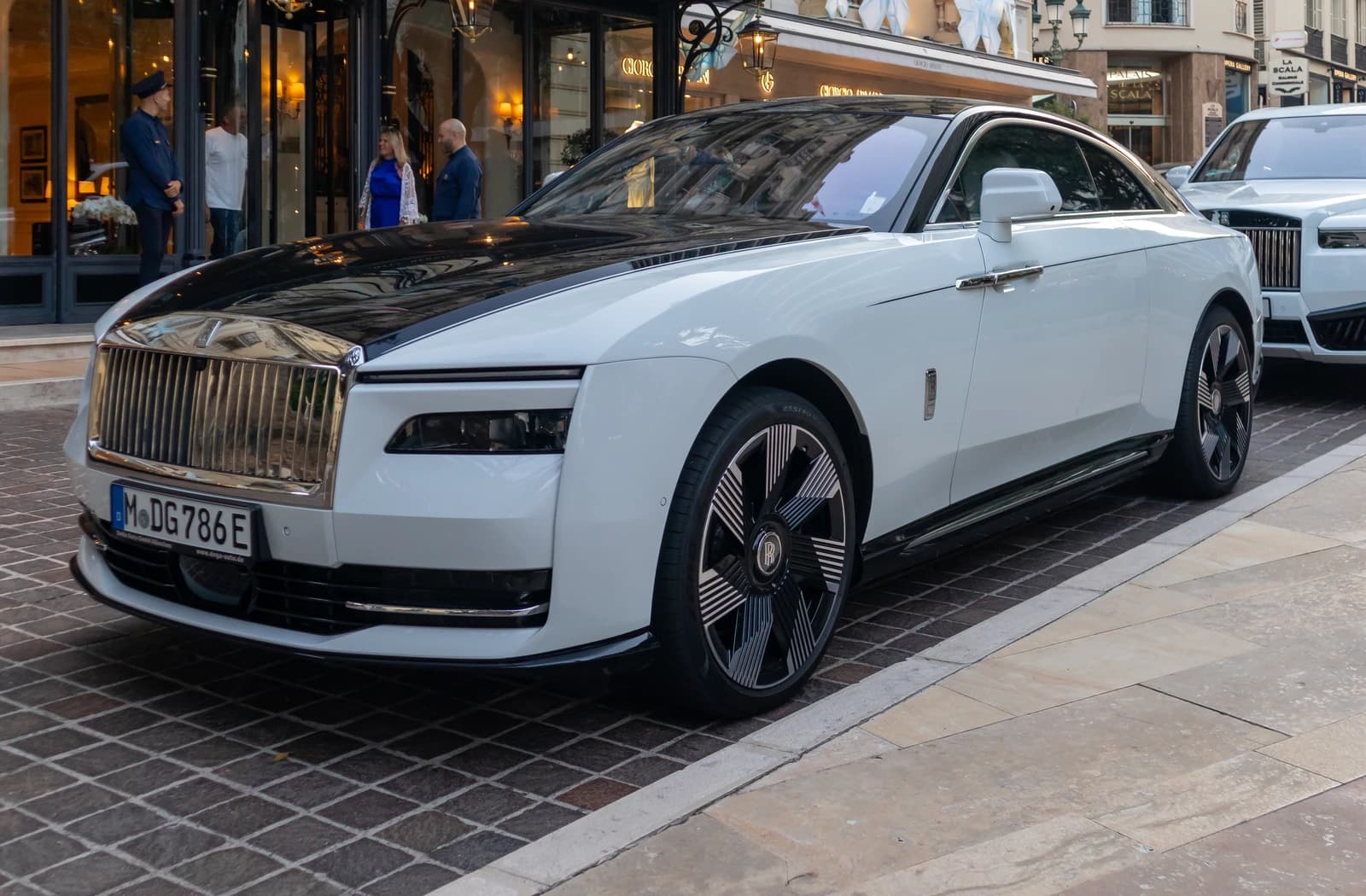
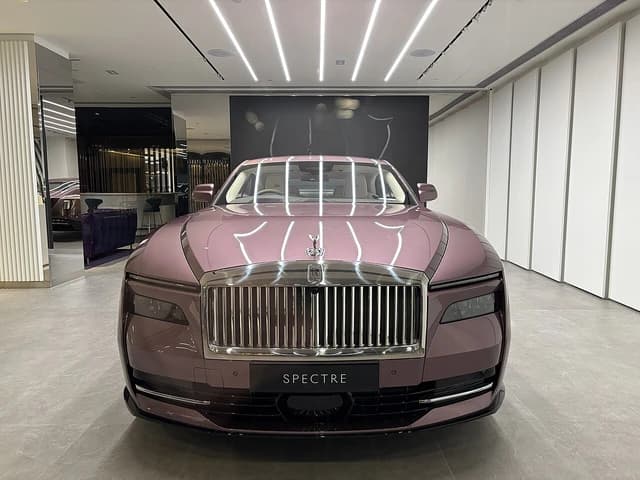
The most striking part, though, may be what comes at the top end. BYD’s Yangwang brand is pushing into the ultra-luxury space with the Altior, a 5.60-meter electric model with more than 1,000 horsepower, a suite-like rear cabin and gimmicks such as the ability to turn on the spot and remain afloat if submerged. The message is clear: Chinese automakers are no longer content to compete only on price. They are now challenging established premium brands on design, technology and prestige.
For investors, that is the real narrative. EVs are becoming a full market, not a niche. The better the product spread—from affordable to premium, from short-hop urban cars to long-range sedans—the more durable the demand base becomes. That should help the winners with scale, software, batteries and charging networks, while putting pressure on slower rivals that still rely on a narrow EV offering or lack the capital to keep up.
The near-term risk is familiar: pricing pressure. As more models arrive, competition will likely intensify, and manufacturers that cannot spread battery and software costs across enough volume may struggle to protect margins. But the long-term takeaway is constructive. If EVs now span the budget, mainstream and luxury categories with genuinely better range and charging, the adoption curve has room to keep climbing.
For long-term investors, that is why the latest crop of launches is worth watching. It suggests the electric-car market is maturing in the way successful consumer technologies usually do: by getting more useful, more desirable and more difficult to ignore.
| Entity | Gains | Losses |
|---|---|---|
| EV buyers | ▲More choice, better range | ▼Less bargaining power later |
| Dacia, Audi, Mazda, BMW | ▲Broader demand, stronger case for EVs | ▼Fiercer price competition |
| BYD/Yangwang | ▲Luxury credibility, brand lift | ▼Established premium rivals |
| Legacy automakers with weak EV lineups | ▲Higher pressure to invest | ▼Share and margin risk |