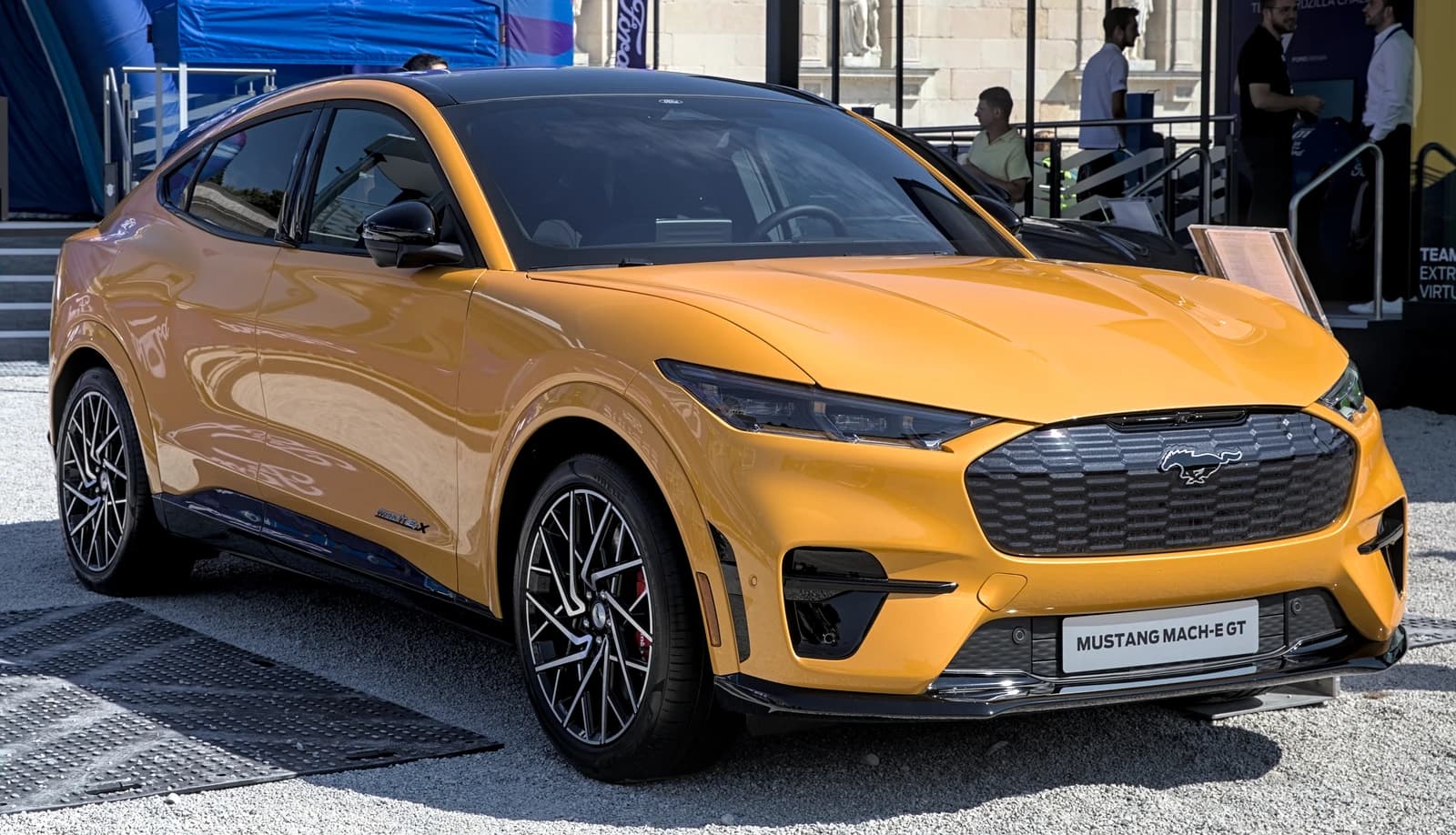
Ford’s revived Capri matters because it shows the company is trying to make electric vehicles desirable again, not just functional, and that is the real battleground in a market where buyers can now choose from far more EVs than a few years ago.
Ford Capri EV revives brand push in Europe
For investors, the new Capri is less about one model in Croatia than about Ford’s broader attempt to defend share in Europe with products that carry heritage, style and usable range. In a sector where pricing pressure is rising and customers are comparing badges as much as batteries, Ford is betting that brand memory can help it earn better economics than a plain electric appliance.
Sentiment Indicators
The new Capri is a coupe-SUV rather than the low-slung two-door that gave the name its rebellious reputation in the 1970s, but Ford is leaning hard into nostalgia to give the car emotional pull. The company first teased the comeback with Eric Cantona in a campaign built around the idea that “the legend has returned,” and the message is clear: the Capri is meant to be more than another EV parked on a dealer lot.
That matters because the EV market is moving from novelty to selection. Consumers can now shop among practical family EVs, budget offerings and premium crossovers, which means automakers need a sharper reason to win a purchase. The Capri’s 627-kilometre WLTP range and 26-minute fast-charge time are the sort of numbers that help remove anxiety on long trips, while the 5.3-second sprint to 100 km/h gives it the kind of performance story that can lift it above the ordinary.
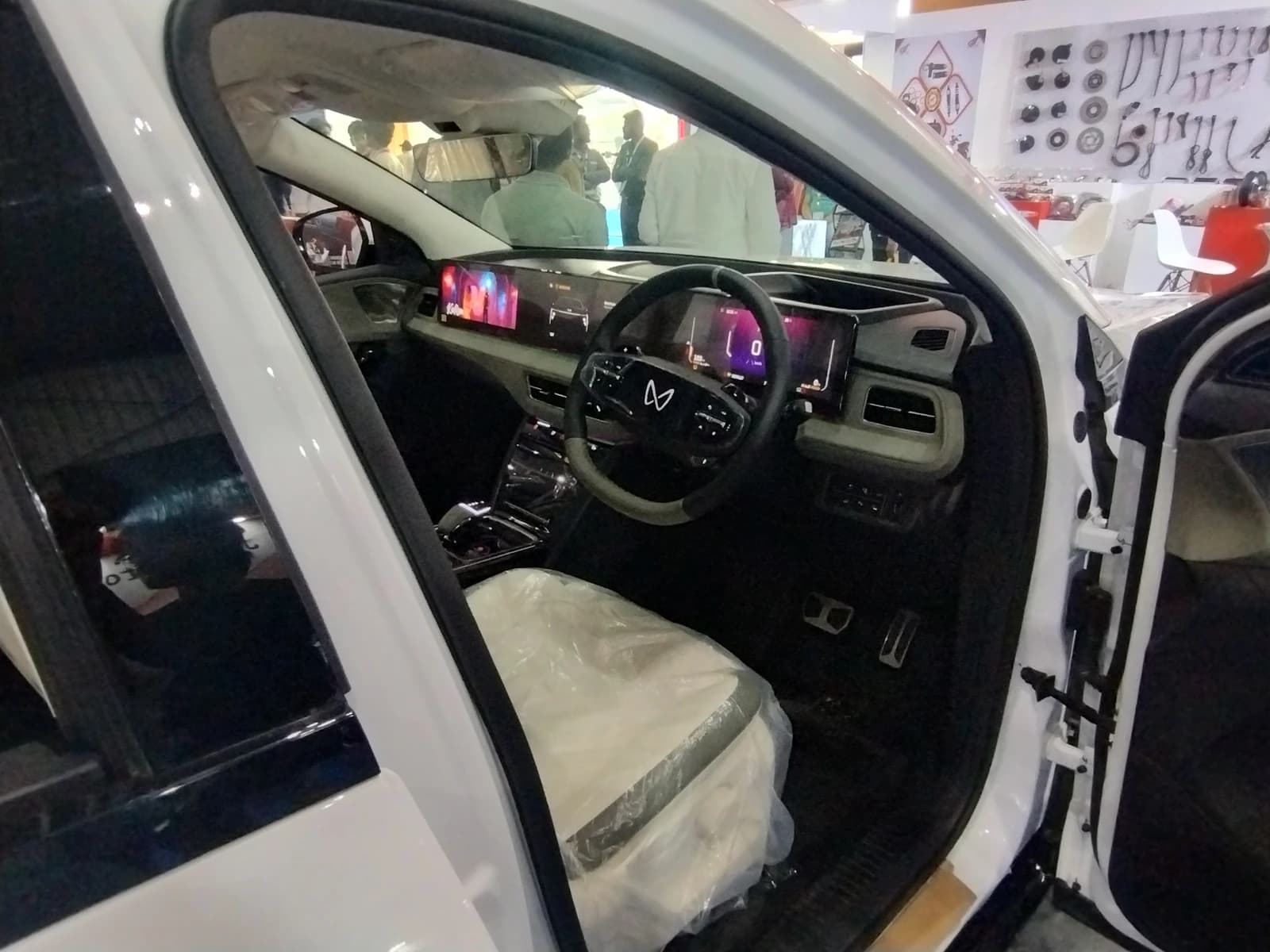
Ford is also using software and cabin tech to make the car feel modern enough to justify the nameplate revival. The 14.6-inch SYNC Move screen includes an EV route planner that builds charging stops into the journey, a practical feature in a market where convenience can determine whether electric ownership feels easy or annoying. The two trim levels, Select and Premium, show how Ford is trying to stretch the car across different buyer profiles without losing the emotional hook.
For long-term investors, the key question is whether this kind of product can support margin discipline in Ford’s European business. Management has already been reshaping its EV roadmap and rationalising capacity, which suggests Ford knows it cannot chase volume at any price. A model like Capri is interesting because it is aimed at the more profitable end of the market, where design, range and brand story can matter as much as raw cost.
The competitive backdrop is tough. Automakers from Ford to General Motors and Tesla are facing a more crowded EV field, and the latest stock action reflects how uncertain the payoff can be. Ford shares are still trading below their 200-day moving average, while Tesla has also been volatile, a reminder that investors are no longer simply paying for electric ambition; they want evidence that EVs can grow earnings, not just unit sales.
Even so, this is exactly the kind of product strategy long-term investors should watch closely. The winners in the next phase of electric-vehicle adoption are likely to be the companies that can blend technology, range and identity into cars people actually want to own for years. Ford’s Capri suggests the company understands that lesson. Whether it can turn heritage into durable profit is the bigger story, and it is worth keeping on the watchlist.
| Entity | Gains | Losses |
|---|---|---|
| Ford | ▲Brand heat in EVs | ▼Margin pressure if demand disappoints |
| Capri buyers | ▲Longer range, faster charging | ▼Higher prices than basic EVs |
| Rivals in Europe | ▲More market competition | ▼Less room to sell undifferentiated EVs |
| Long-term Ford investors | ▲Potential product-led growth | ▼Execution risk and EV spending costs |