BMW’s iX3 50 xDrive posted the longest real-world range in the ECOBEST Challenge 2026, covering 640 km on a single charge and underscoring how far electric vehicles can now travel outside the lab.
BMW iX3 50 xDrive wins ECOBEST range test
That matters because the result narrows one of the EV market’s biggest consumer objections: whether published range figures hold up in daily driving. The BMW achieved 86.8% of its WLTP homologation value in a test that used normal road conditions around Milan, with climate control on, one occupant aboard and mixed motorway, suburban and city routes. In other words, the figure was not generated in a carefully optimized efficiency run, but in traffic conditions meant to mirror everyday use.
Sentiment Indicators
For investors, the result strengthens BMW’s pitch that it can compete on one of the most commercially important EV metrics without relying on niche or ultra-lightweight designs. It also gives the German carmaker a marketing edge against rivals such as Mercedes-Benz, whose CLA 250+ finished second at 613 km despite promising more on paper, and against brands including Mazda, Volvo and Xpeng, whose models came in below 80% of their homologated range.
The test also highlighted how range and efficiency are not the same thing. BMW’s win on total distance did not make it the most energy-efficient vehicle in the field. That honor went to Renault’s Twingo, which covered 229 km from a 27.5 kWh battery, or about 8.3 km per kWh, showing that smaller batteries can outperform bigger packs on efficiency even if they cannot match outright range.
Charging speed is the other half of the investment case, and BMW performed well there too. At a 400 kW DC charger, the iX3 needed just four minutes to add the equivalent of 100 km of driving in the 20%-to-80% window, placing it among the quickest in the test alongside Volvo’s EX60, Xpeng’s P7+ and Zeekr’s 7GT. That kind of refill time is increasingly important as buyers compare EV convenience with combustion-engine refueling.
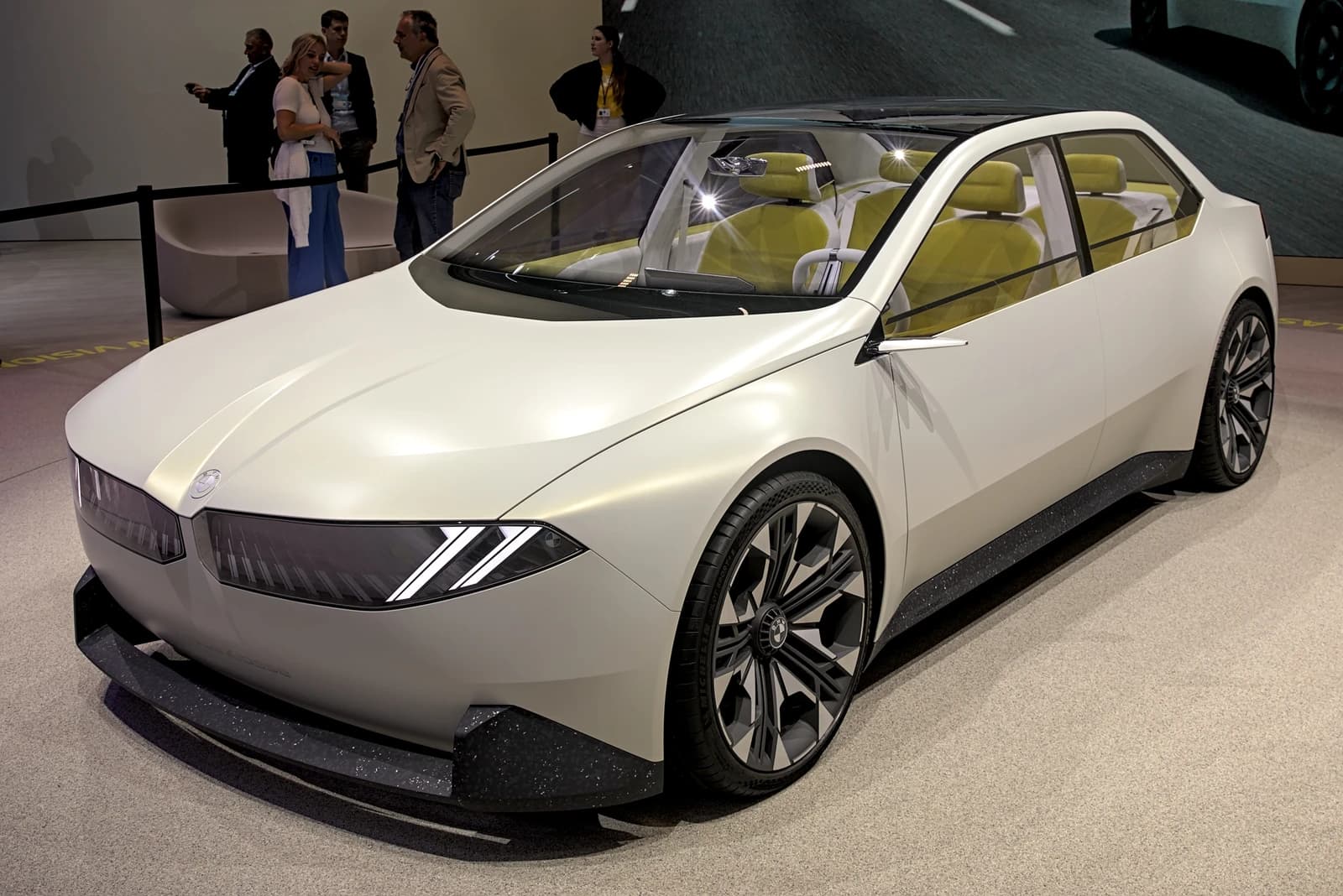
The broader story is that the EV market is moving from laboratory claims to real-world credibility. AUTOBEST’s test, certified by Bureau Veritas, found that no model matched its WLTP range, but several came close enough to show that long-distance EV use is no longer theoretical. BMW’s next step is the new i3 sedan, which the organizers say should be lighter and more aerodynamic than the iX3; if it lands near the upper end of expectations, it could push the brand even closer to the 700-km mark and intensify competition in the premium EV segment.
| Entity | Gains | Losses |
|---|---|---|
| BMW iX3 | ▲Range credibility | ▼Rivals on headline distance |
| Mercedes-Benz CLA 250+ | ▲Fast charging credibility | ▼On-road range crown |
| Renault Twingo | ▲Efficiency leadership | ▼Long-distance practicality |
| EV buyers | ▲Better real-world benchmarks | ▼Range anxiety remains |