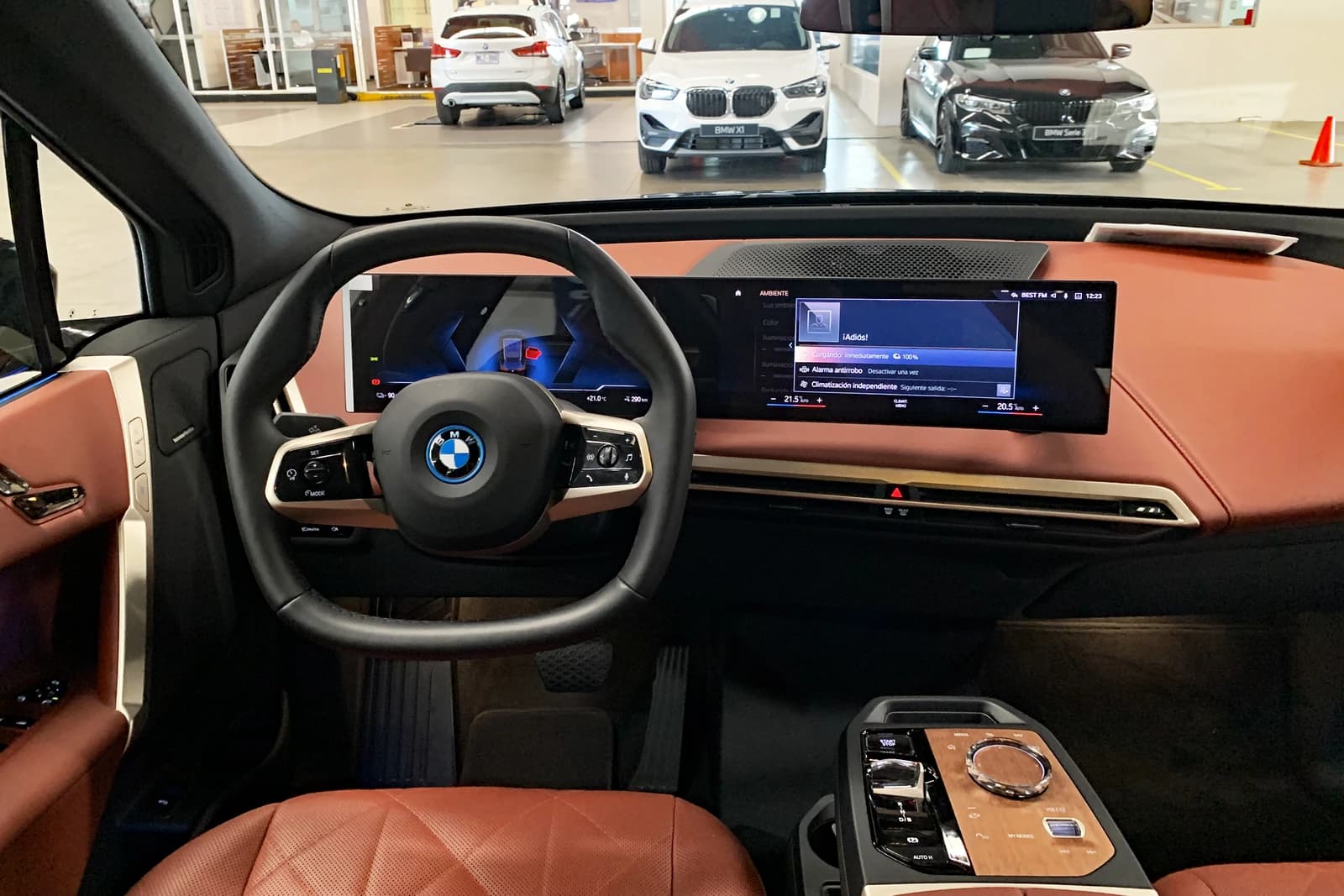
BMW is rolling out a new generation of driver-assistance software from 2027 that will let its electric cars handle more of the route itself, including city intersections, lane changes, roundabouts and navigation-based driving — a step that widens the premium automaker’s battle with Mercedes-Benz, Tesla and Xpeng in Europe’s race for more advanced autonomy.
BMW plans Level 2 driver assistance rollout in 2027
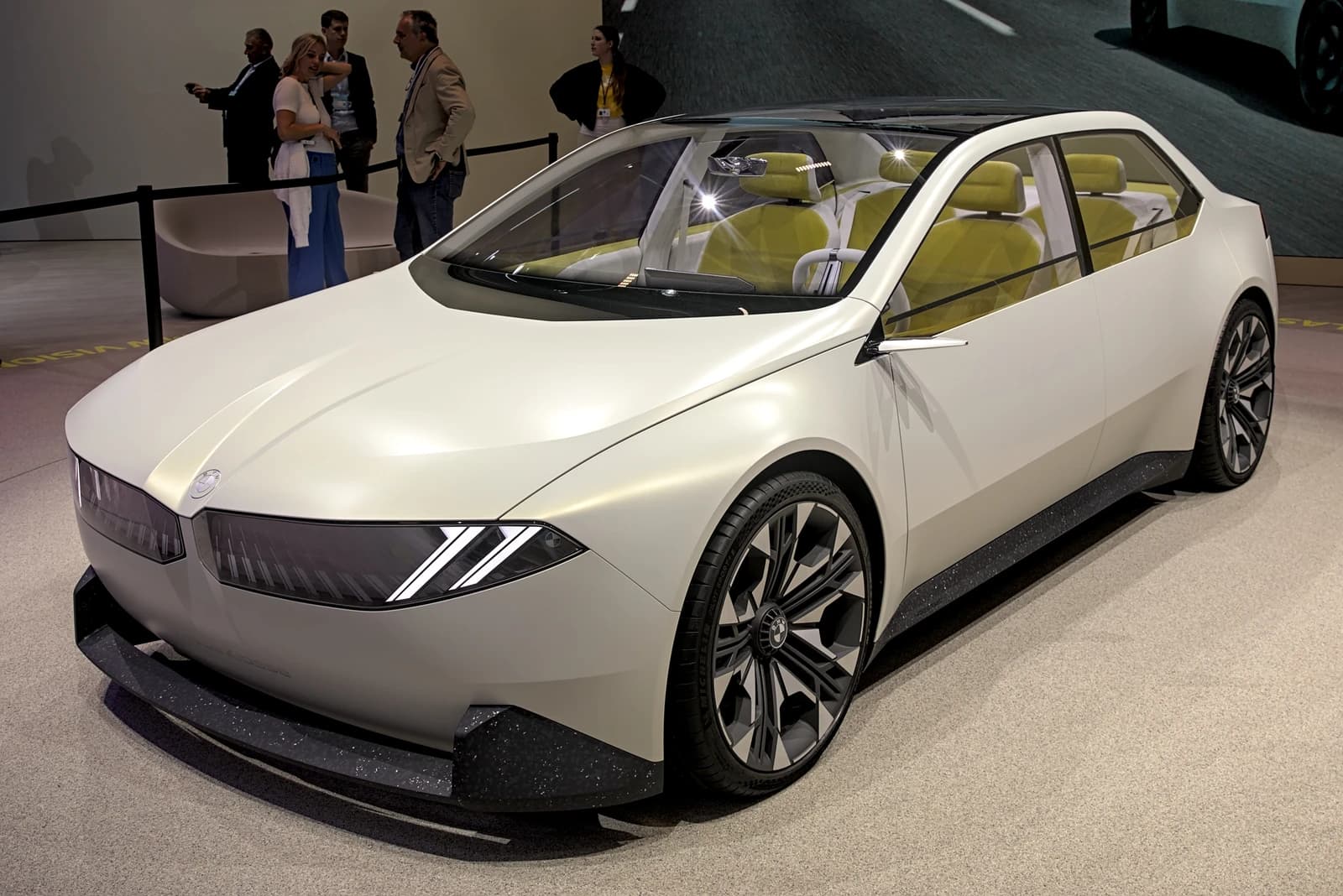
The new system remains Level 2, so drivers must stay alert and ready to intervene, but BMW is trying to make the technology more useful in everyday traffic rather than just on highways. That matters for investors because the feature set could help BMW defend pricing and differentiate its EV lineup at a time when software and automated driving are becoming a bigger selling point in premium cars.
Sentiment Indicators
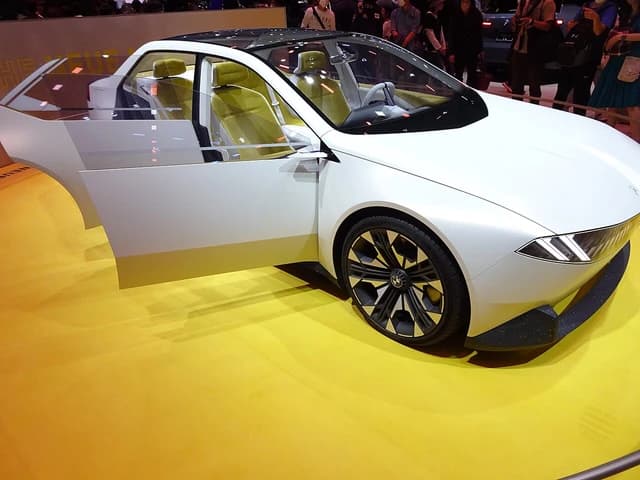
BMW says the functions will arrive first in Germany, with final European type approval expected in early 2027 after testing in real traffic. The company plans to activate the capabilities through software updates, including on cars already delivered, and says the necessary hardware will come standard on models including the iX3, iX4, 3 Series, 7 Series and X5 family.
The strategy also deepens BMW’s push to turn its cars into software-upgradable products, a model that can support after-sales revenue and reduce the need for new hardware cycles. The company’s “Symbiotic Drive” setup, which allows the driver to steer, brake or accelerate without fully shutting off assistance, is designed to keep the system engaged more naturally than traditional driver-assist software.
The timing puts BMW in direct view of Mercedes-Benz, which unveiled similar plans last week for its MB.DRIVE ASSIST PRO system, developed with Nvidia and slated for the German market in the first half of 2027. Tesla is also seeking European approval for its TAD system, while Xpeng is aiming to launch its own version around the same time.
For the sector, 2027 is shaping up as a key test of whether advanced driver-assistance can move beyond highway convenience into a broader consumer feature in Europe. The next catalyst is regulatory approval, followed by the market response when BMW starts offering the systems in Germany.
| Entity | Gains | Losses |
|---|---|---|
| BMW | ▲EV differentiation | ▼Legacy feature gap |
| Mercedes-Benz | ▲Software spotlight | ▼First-mover pressure |
| Tesla | ▲Autonomy validation if approved | ▼European delay risk |
| Consumers | ▲More capable driver assist | ▼Higher complexity and scrutiny |