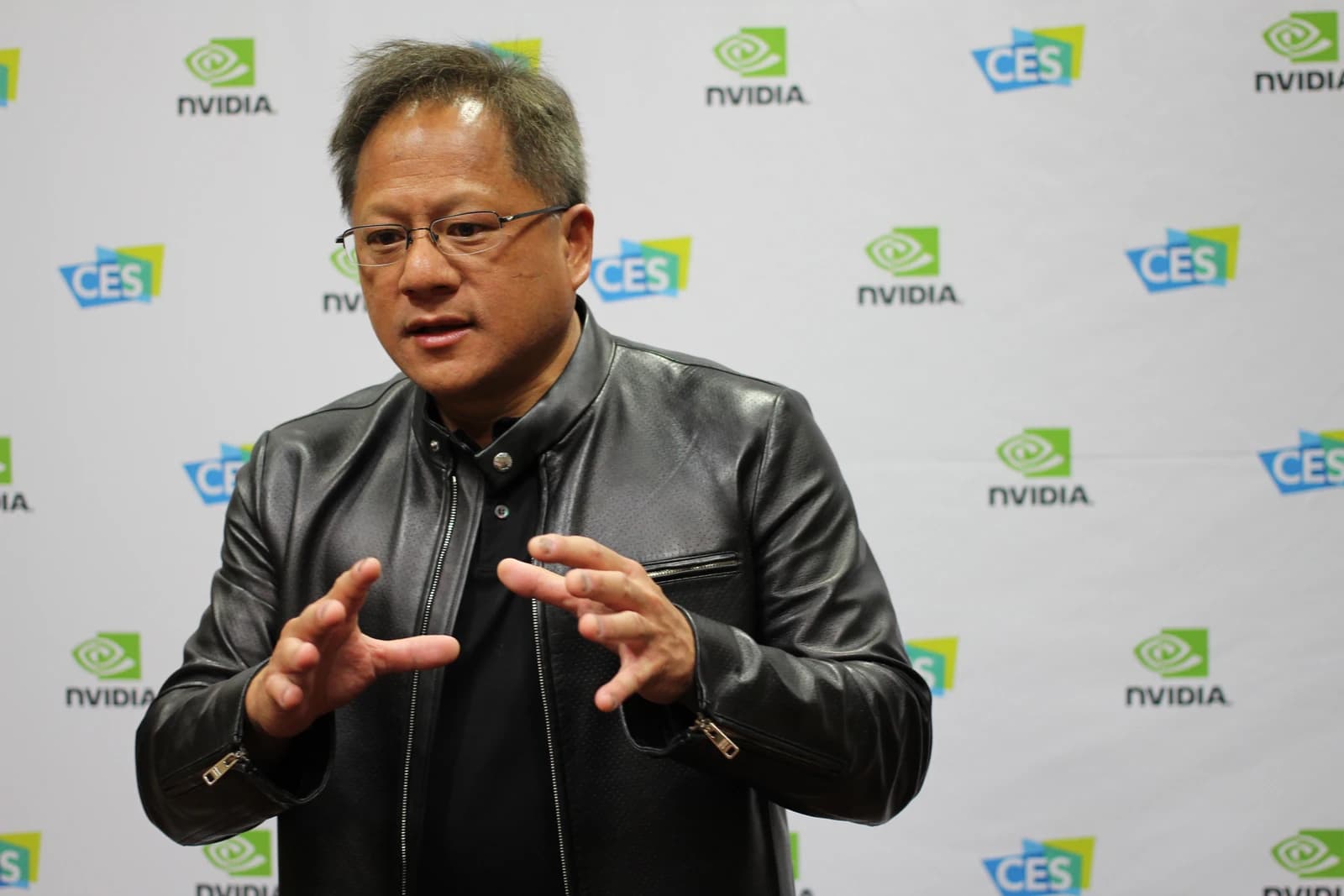
Volvo and Nvidia are deepening their collaboration to develop fully autonomous cars, a move that could push driver-assistance technology beyond today’s hands-off systems and into vehicles that can handle highways and city traffic with little or no human input.
Volvo and Nvidia deepen autonomous driving partnership
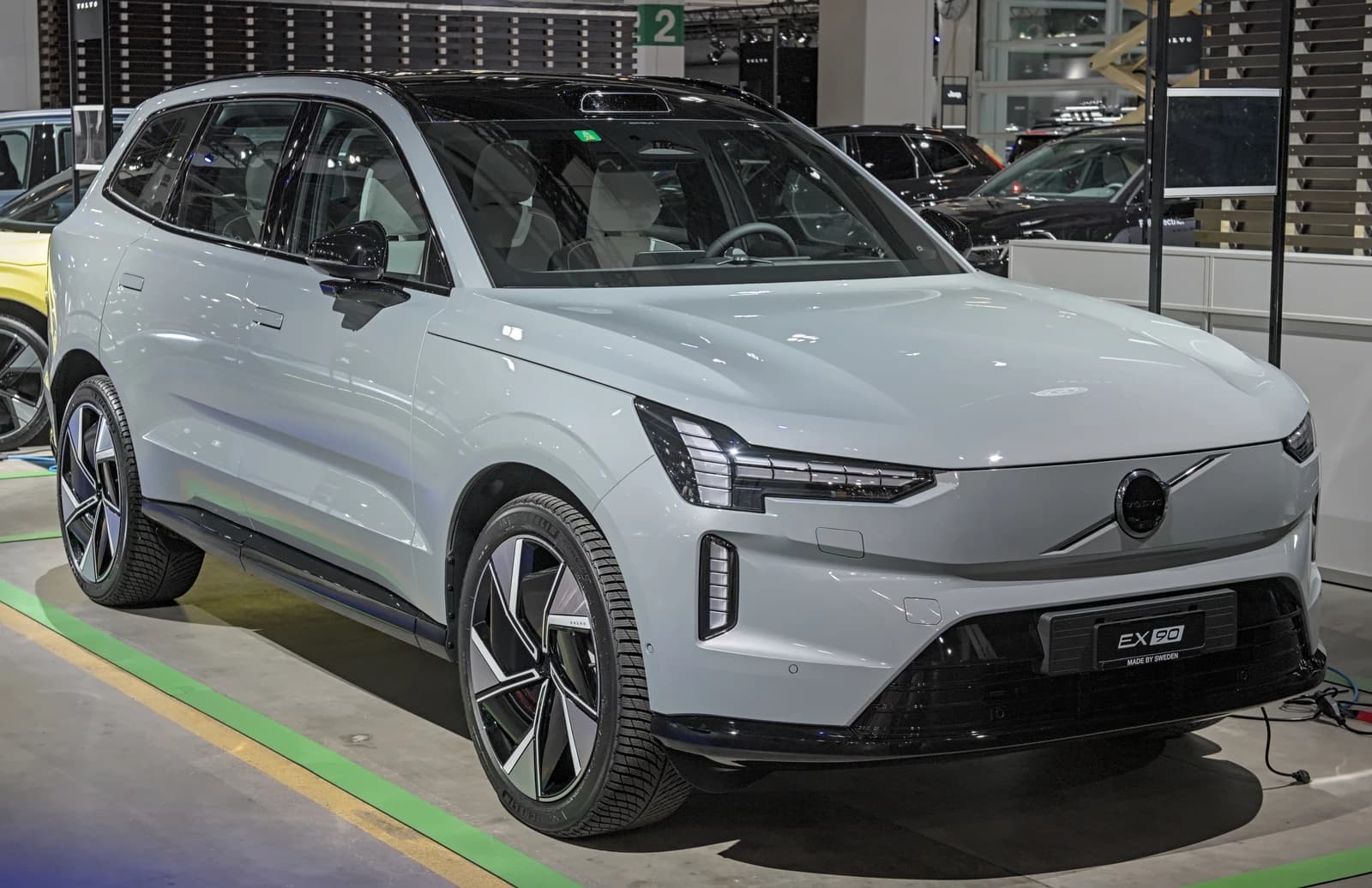
The Swedish automaker said it will use Nvidia’s Alpamayo software stack, Halos operating system and Hyperion sensor-and-compute architecture as it works toward “eyes-off” Level 3 autonomy first, and eventually “mind-off” driving that does not require the driver to stay mentally engaged. Volvo said one next-generation model will be the first to get the latest Nvidia software and hardware, with software head Alwin Bakkenes telling TechCrunch the rollout is expected within this decade.
Sentiment Indicators
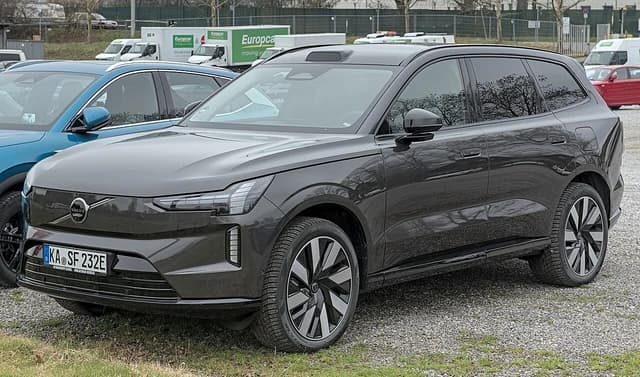
The deal matters because autonomous driving remains one of the auto industry’s most expensive and strategically important bets. Mercedes-Benz and BMW have already won European approvals for similar systems this year, but both later paused further development, citing high costs and weak customer demand — a reminder that the technology still has to prove it can scale profitably.
Volvo is taking a different approach by tying its safety-first brand to Nvidia’s AI stack, which is designed for robotaxis and autonomous vehicles and can perform more advanced reasoning than systems that react only to camera feeds. Nvidia said the platform can also support fully autonomous parking and navigation from address to address, expanding the use case beyond driver convenience into a broader software-defined vehicle model.
Investors will watch the announcement less for immediate sales impact than for what it says about Nvidia’s reach in automotive AI and Volvo’s willingness to spend for a long-cycle technology edge. Nvidia shares were recently trading at $213.51, below their 50-day moving average of $221.92, even as the stock’s long-term trend remains intact above the 200-day average of $203.98.
For Volvo, the partnership offers a way to stay competitive against Tesla, GM and Ford in advanced driver assistance while strengthening its premium positioning. For Nvidia, it adds another high-profile automaker to a portfolio that already spans data center, robotics and autonomous systems, helping reinforce the case that its chips and software are becoming core infrastructure for next-generation mobility.
The key question now is execution: whether Volvo can translate the promise of eyes-off and mind-off driving into approved, marketable vehicles before rivals close the gap.
| Entity | Gains | Losses |
|---|---|---|
| Volvo | ▲Safety-led autonomy push | ▼High development costs |
| Nvidia | ▲Automotive AI adoption | ▼Faster competition from peers |
| Mercedes-Benz/BMW | ▲Early regulatory approvals | ▼Paused deeper rollout |
| Tesla/GM/Ford | ▲Bigger pressure to keep pace | ▼Risk of lagging on Level 3+ systems |