Samsung Electro-Mechanics is stepping deeper into Nvidia’s AI hardware ecosystem with a 4.27 trillion won investment to expand its semiconductor package substrate plant, a move that could lock in at least three years of supply and broaden the Korean supplier’s revenue mix beyond MLCCs.
Samsung Electro-Mechanics expands Nvidia substrate plant

The project stands out because Nvidia is helping fund the expansion, with Samsung Electro-Mechanics expected to put in about 30% of the capital and big tech partners, including Nvidia, covering the rest. That makes the deal both a capacity play and a demand guarantee at a time when AI infrastructure spending is still running hot.
For investors, the bigger takeaway is that Nvidia’s supply chain is widening beyond its traditional reliance on Samsung Electronics and into component makers with critical packaging and sensing capabilities. Samsung Electro-Mechanics said the new capacity will support package substrates, a higher-value business than its core passive components, and comes after six of its seven major contract disclosures this year were tied to the components division.
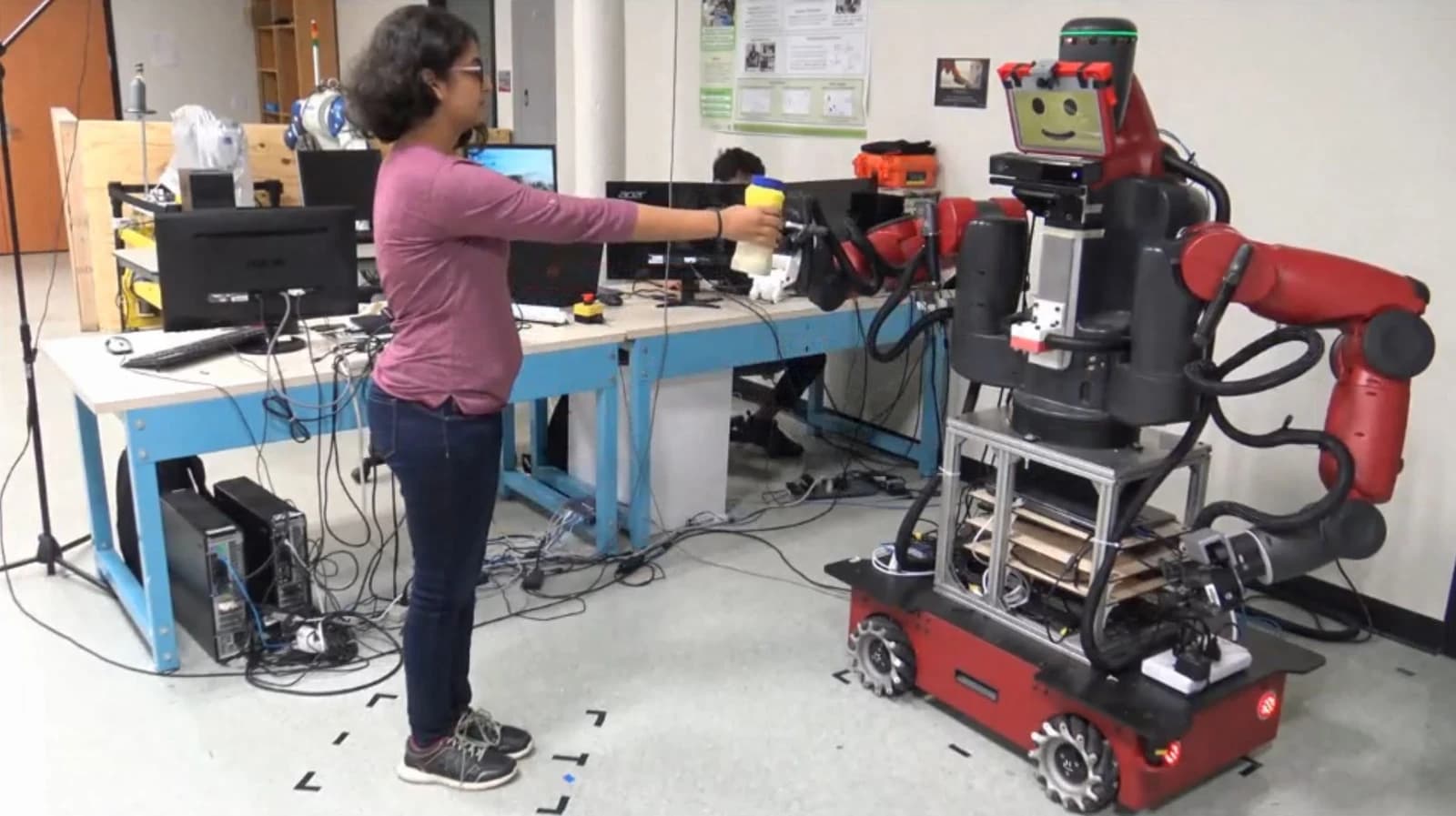
LG Innotek is also moving into Nvidia’s orbit, saying it will co-develop robot sensing solutions with the chipmaker. The product combines LG Innotek’s camera modules and sensors with Nvidia software to send data directly to the GPU without going through the CPU, a configuration aimed at faster robot response times.
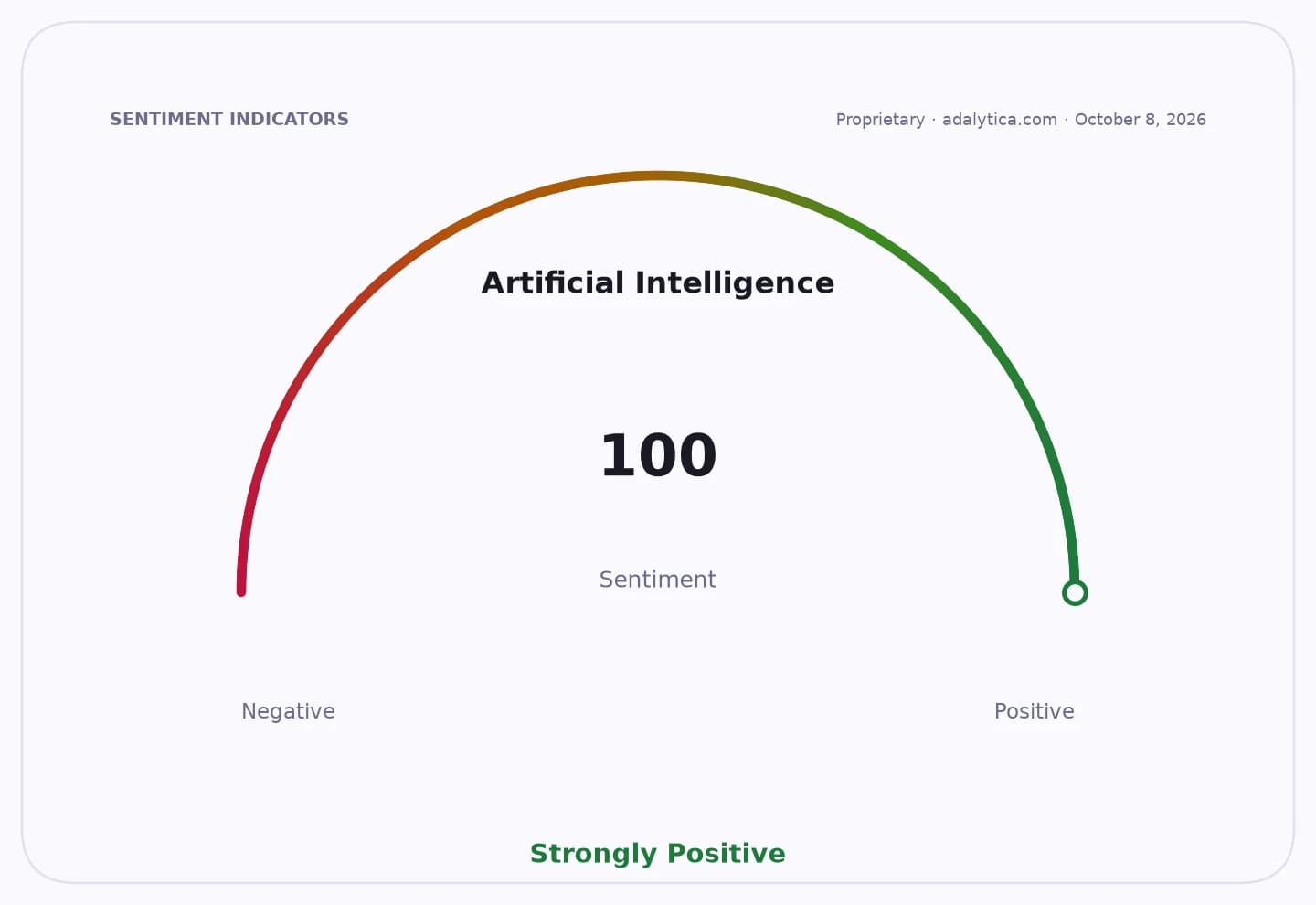
The partnership points to where AI spending is broadening next: from server chips and advanced packaging into robotics and perception hardware. LG Innotek plans to target Nvidia’s robotics ecosystem, including firms such as Boston Dynamics, which could open a new growth lane for the South Korean supplier beyond mobile camera modules.
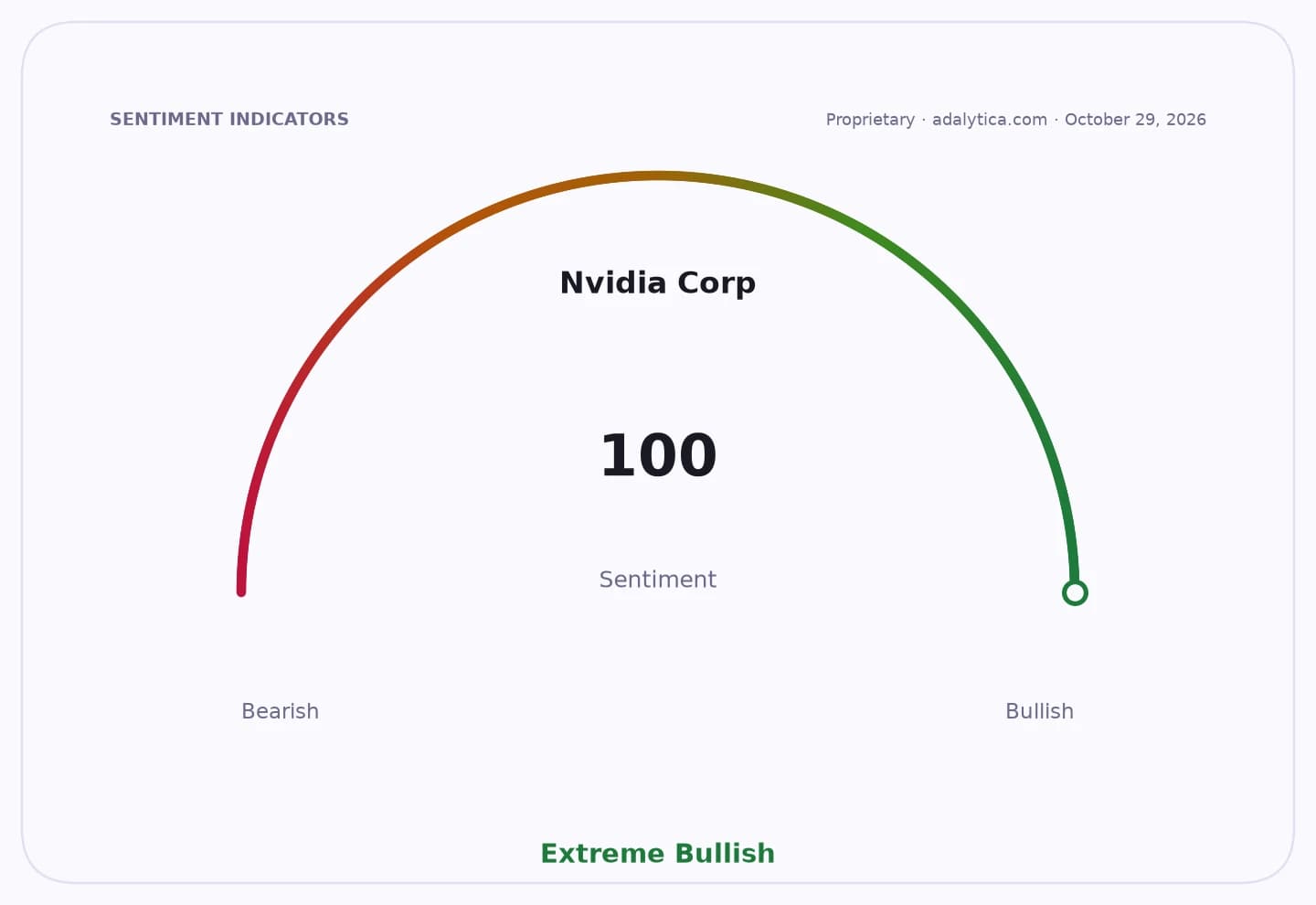
Nvidia itself remains central to the trade. Its shares closed at $217.94 on Oct. 27, above the 200-day moving average of about $203.69 but below the 50-day average near $222.08, with RSI readings around 32 suggesting the stock has cooled after recent volatility even as the AI buildout narrative stays intact.
The immediate market implication is that Korean component makers may see stronger order visibility and better pricing power if Nvidia-backed projects translate into long-term supply agreements. The risk is execution: capital intensity is rising, and investors will be watching whether the new AI-related revenue can scale fast enough to offset slower growth in legacy product lines.
| Entity | Gains | Losses |
|---|---|---|
| Samsung Electro-Mechanics | ▲AI substrate growth | ▼Capital spending burden |
| LG Innotek | ▲New robotics revenue | ▼Dependence on Nvidia ecosystem |
| Nvidia | ▲Deeper supplier capacity | ▼Higher supply-chain complexity |
| Existing suppliers/competitors | ▲— | ▼Share of AI component demand |