LG Innotek is moving closer to Nvidia’s physical AI ecosystem with new sensor modules that could turn cameras and multi-sensor systems into a bigger revenue stream as robots and autonomous machines need faster, more direct data processing.
LG Innotek unveils Nvidia Holoscan sensor modules
The South Korean component maker said it unveiled sensing solutions using Nvidia’s latest Holoscan Sensor Bridge at the GPU Technology Conference in Berlin, including 3-megapixel camera modules and multi-modal vision systems that combine cameras with lidar, radar and other sensors. The key commercial appeal is not just higher image quality, but lower latency: Holoscan Sensor Bridge routes sensor data directly to AI computers instead of through a central processor, which should help physical AI systems make split-second decisions.
Sentiment Indicators
That matters because physical AI — from autonomous vehicles to humanoid robots and robotic hands — is becoming a priority for Nvidia as it tries to extend its platform beyond data centers into edge devices and real-world automation. For LG Innotek, which has been looking to grow in autonomous driving and robotics, the partnership offers access to a wider base of developers already building on Nvidia’s hardware and software stack, and could improve its chances of winning design slots in next-generation machines.
The timing also fits a broader industry shift. Sensor makers are competing to become part of the core architecture of physical AI rather than remaining commodity suppliers of cameras or modules. Companies that can integrate multiple sensing modalities and work seamlessly with Nvidia’s platforms may be better placed to capture margin-rich, recurring business as robot and vehicle platforms scale. The risk is that the market remains early-stage and heavily concentrated around a few platform leaders, which could limit pricing power for suppliers even as demand grows.
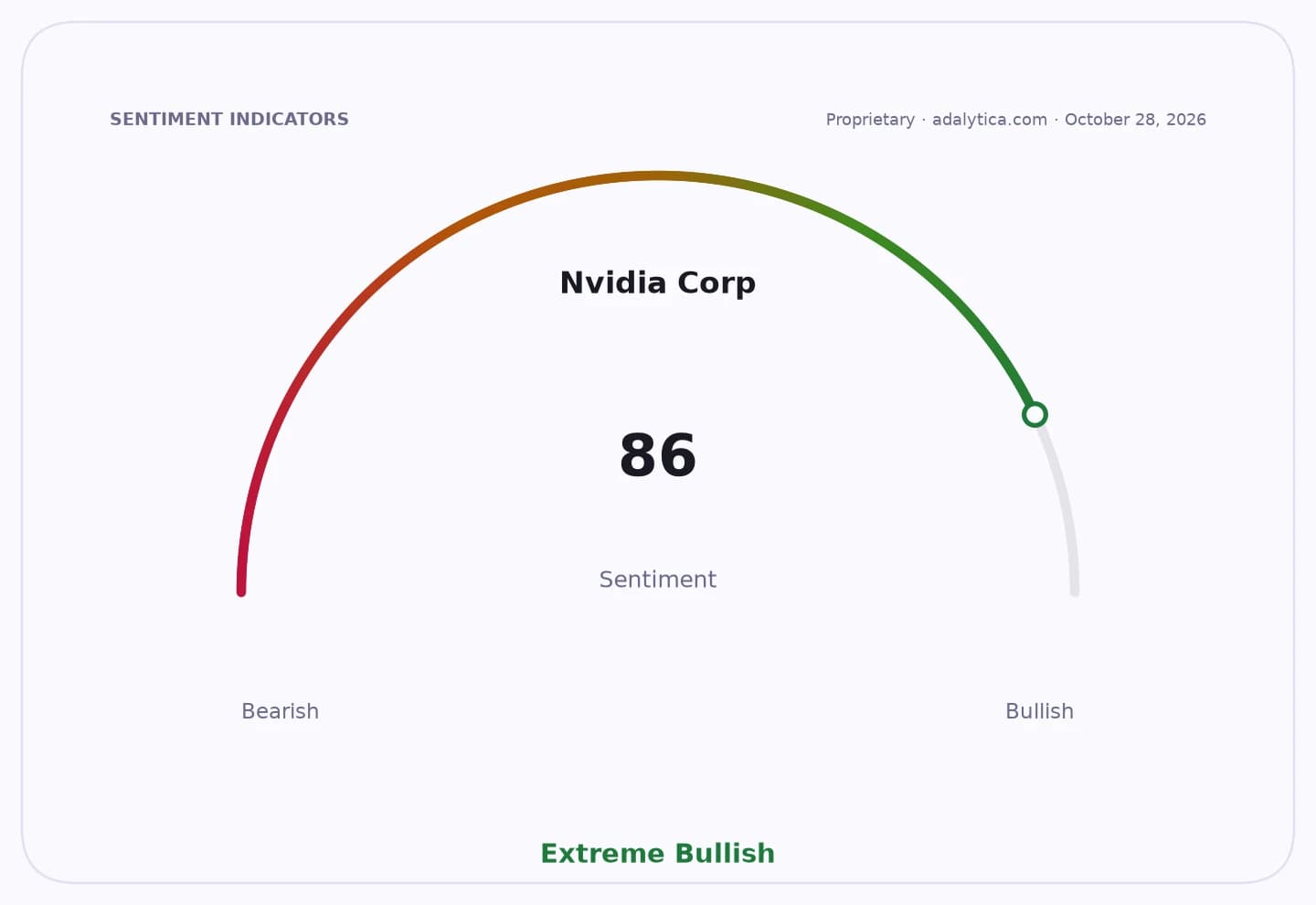
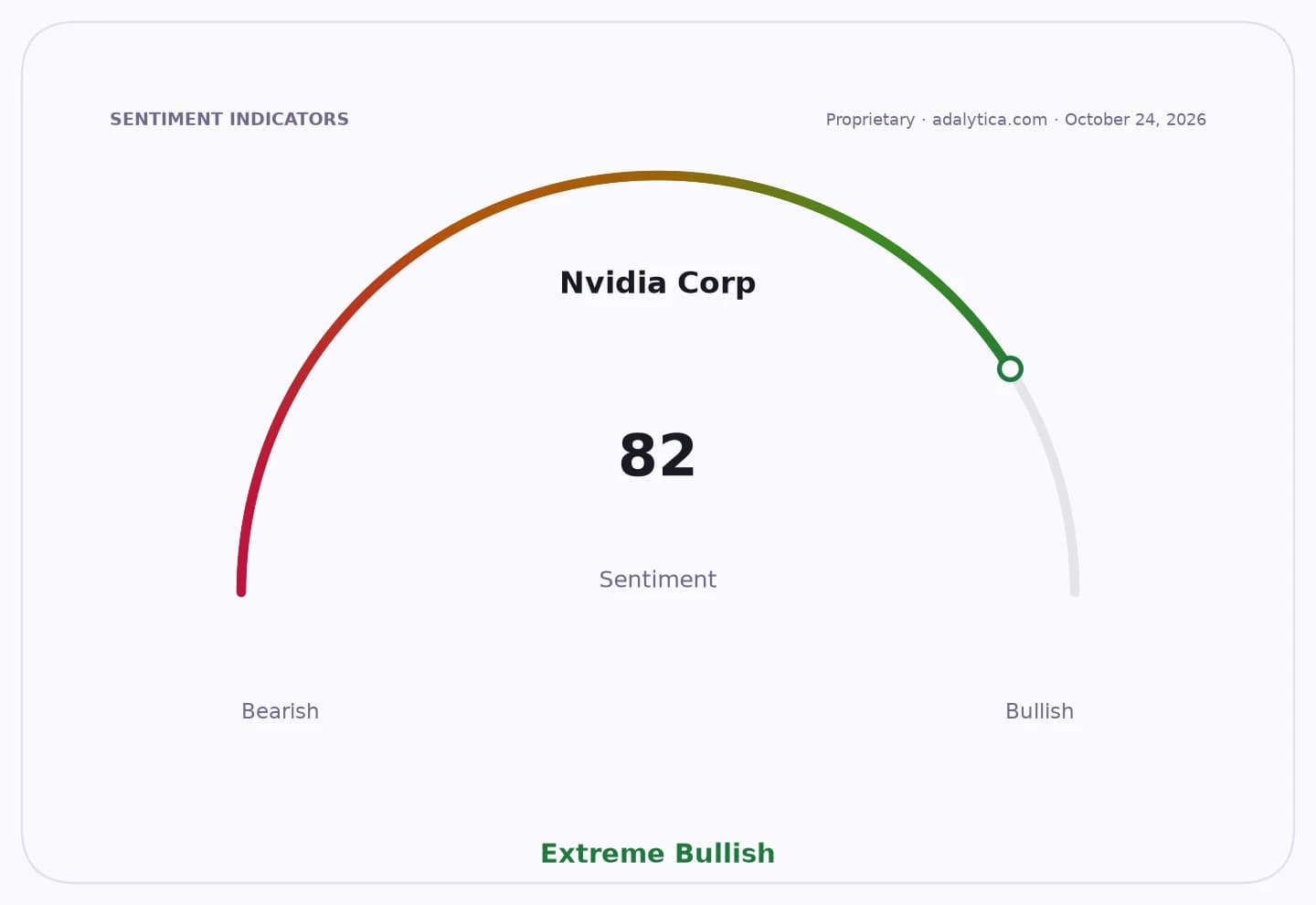
Nvidia Corp
For investors, the announcement is constructive for LG Innotek because it ties the company to one of the most influential AI hardware ecosystems and broadens its growth narrative beyond smartphones and conventional optics. For Nvidia, it reinforces the idea that its next phase of growth is not only about training large AI models, but about enabling AI to see and act in the physical world — a market that could become strategically important even if monetization takes longer than in data-center chips.
LG Innotek said it plans to continue developing HSB-compatible products for Nvidia’s next-generation platforms and showcase them at CES and GTC next year, suggesting the collaboration is likely to evolve from a demonstration into a longer product pipeline. The key question for the market is how quickly physical AI moves from prototype to volume deployment, and whether early partnerships translate into meaningful orders rather than just technological positioning.
| Entity | Gains | Losses |
|---|---|---|
| LG Innotek | ▲Access to Nvidia ecosystem | ▼Commodity-module risk |
| Nvidia | ▲Broader physical AI reach | ▼Near-term monetization lag |
| Robotics and AV developers | ▲Lower-latency sensing | ▼Higher integration dependence |
| Rival sensor suppliers | ▲None | ▼Share in design wins |