Rimac has secured work on two more BMW models, strengthening a partnership that is becoming strategically important for both companies as Europe’s carmakers race to localize battery technology and cut development costs.
Rimac wins two more BMW vehicle programs
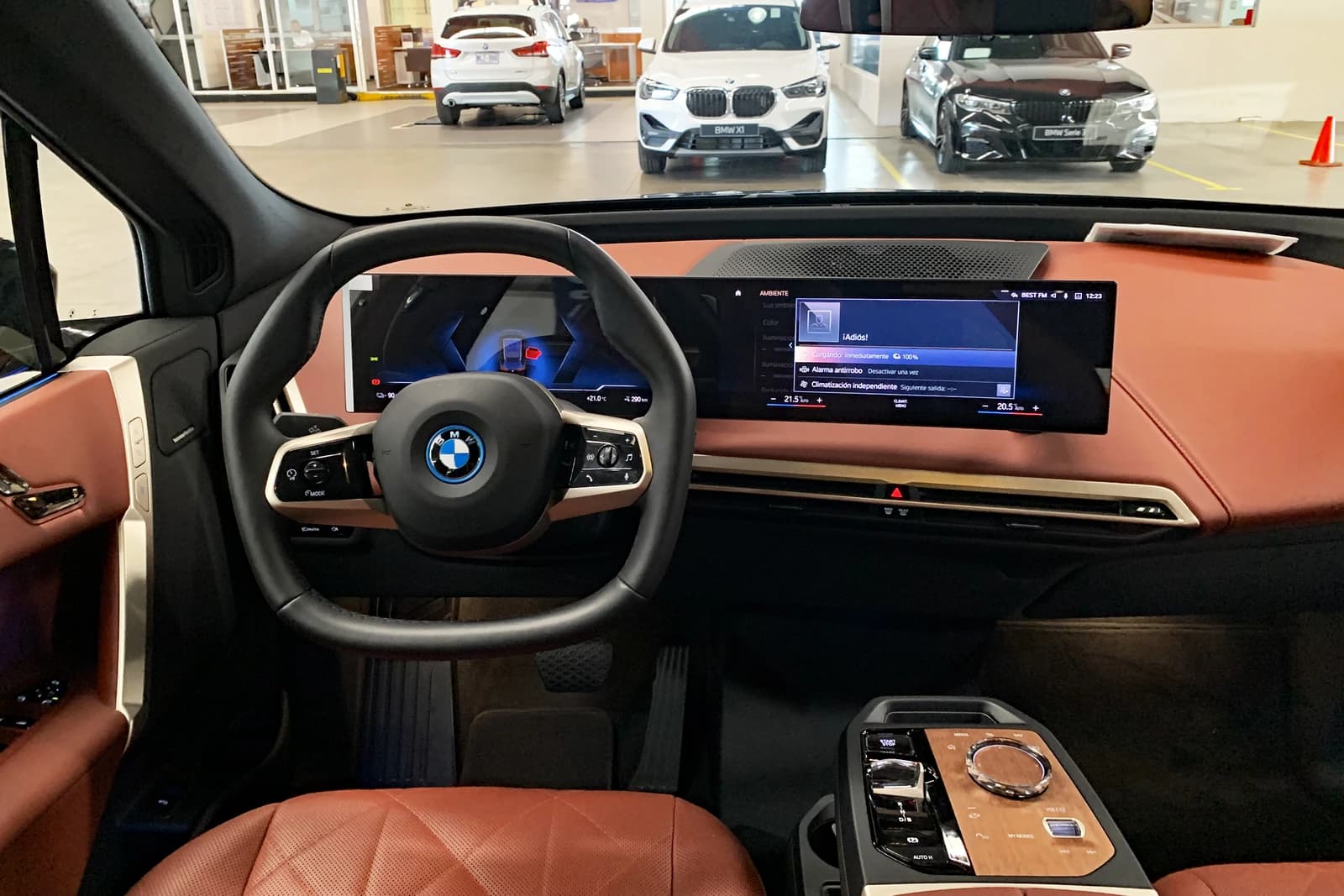
Mate Rimac confirmed in an interview with Auto News that the Croatian company is developing two additional vehicles with BMW, though names, segments and launch timing have not yet been disclosed. The agreement builds on the first jointly developed application already in use on the new BMW i7, whose battery system combines BMW’s sixth-generation 4695 cylindrical lithium-ion cells with a fifth-generation modular architecture designed to improve range and shorten charging times.
Sentiment Indicators
For BMW, the collaboration matters because it gives the German premium brand another specialist partner at a time when its own profitability is under strain. BMW has reported a 14.7% drop in third-quarter net profit, warned again on earnings, and told investors its automotive division could operate at zero margin in fiscal 2026 as restructuring costs and market weakness weigh on results. Outsourcing part of the battery and component work to a technically advanced supplier can help limit capital intensity, accelerate electrification programs and reduce execution risk, even if it does not solve BMW’s broader China and margin problems.
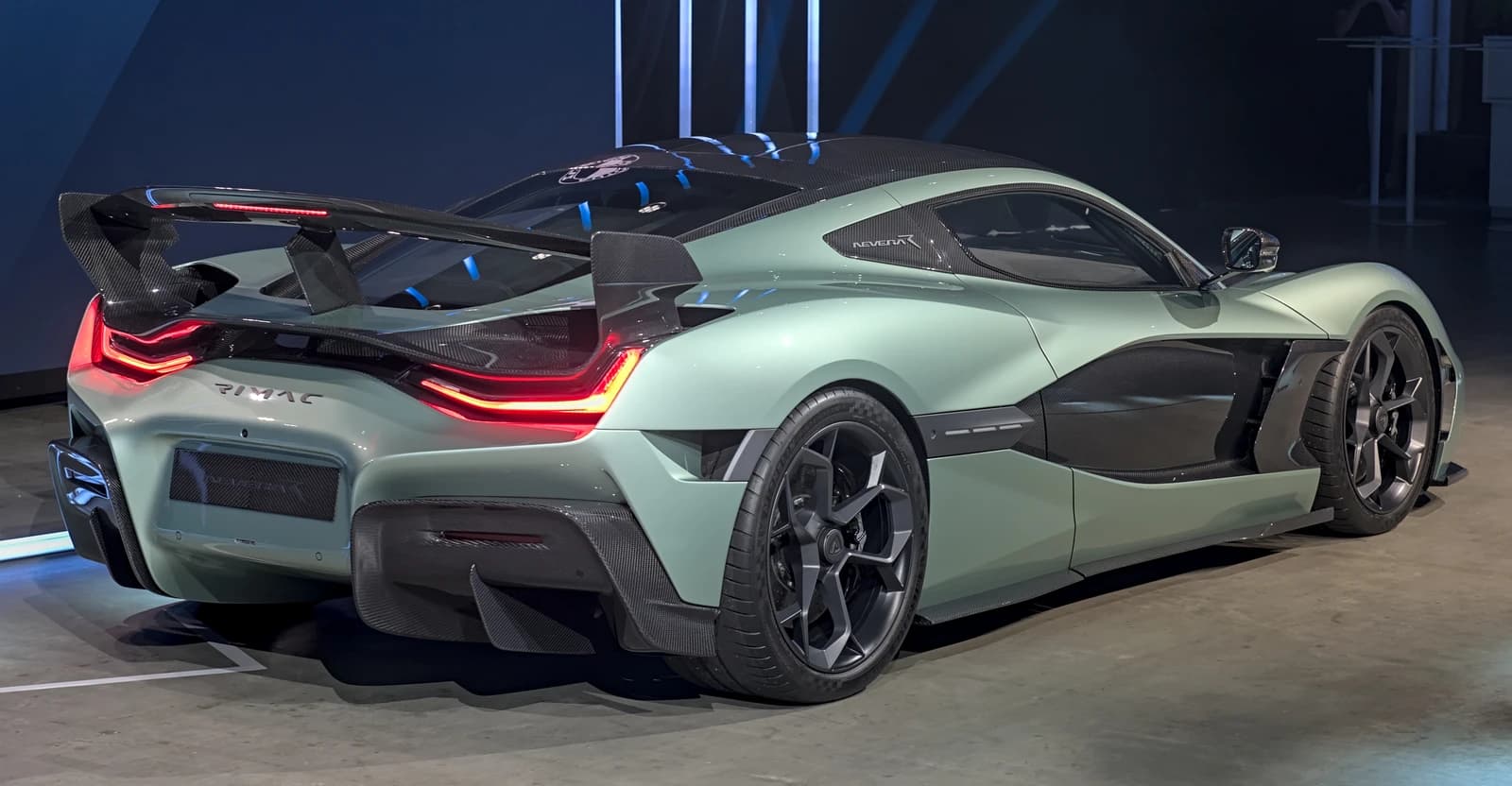
For Rimac, the BMW deal is evidence that the company is moving beyond niche supercars into industrial-scale supplier status. The battery system for the i7 is produced at Rimac’s campus near Zagreb, where Rimac said he showed BMW executives the planned production site before a contract was even in place. That pitch, he said, succeeded because Rimac had to be competitive on both technology and cost to win a premium customer such as BMW. The company already supplies electric systems and components to Koenigsegg Regera, Aston Martin Valkyrie and Porsche 911 GTS T-Hybrid, and is also working on EVs for Saudi Arabia’s Ceer.
The timing is notable because Rimac is also changing ownership structure. Porsche completed the sale of its stake in Rimac Group and Bugatti Rimac to a consortium led by HOF Capital on Sept. 9 in a deal worth about 1 billion euros. Rimac said the transaction should allow the company to make decisions faster, cutting development processes that previously could take around six months because of board approvals. That could matter for BMW and other customers looking for quicker product cycles in an industry where battery chemistry, software integration and supply-chain resilience are becoming competitive advantages.
Investors will read the BMW extension as a validation of Rimac’s technical credibility and a sign that battery and electrification partnerships are becoming a bigger value driver than headline EV volumes alone. The bull case is that Rimac is building a repeatable high-margin engineering and manufacturing business with blue-chip OEMs. The bear case is that its fortunes remain tied to a capital-intensive auto sector under pressure, where even the strongest brands are being forced to squeeze suppliers and delay returns on electrification spending.
The next catalyst will be whether the two additional BMW programs remain limited to component supply or expand into broader co-development, and how quickly Rimac can convert technical wins into durable revenue as BMW and other manufacturers keep pushing for lower-cost EV architectures.
| Entity | Gains | Losses |
|---|---|---|
| Rimac | ▲More BMW work, higher credibility | ▼Greater dependence on auto-cycle demand |
| BMW | ▲Faster EV development, specialist battery know-how | ▼More supplier reliance, margin pressure |
| Porsche | ▲Frees capital after stake sale | ▼Loses strategic influence in Rimac |
| Rival suppliers | ▲Less room in premium EV sourcing | ▼Lose potential BMW business |