Luxury electric-car demand in India is still small, but October’s sales show it is becoming a real battleground — and BMW is winning it for now.
BMW Leads India Luxury EV Sales in October
The German brand sold 462 luxury EVs in the month, easily ahead of Tesla’s 291, in a market that totaled 868 vehicles and rose 53% from a year earlier. For investors, that matters because luxury EV adoption is often where early demand starts before it filters down into the broader mass market. When a segment grows this quickly, the brands that establish a lead can build customer loyalty, charging ecosystems, dealer relationships and brand recognition that compound over time.
Sentiment Indicators
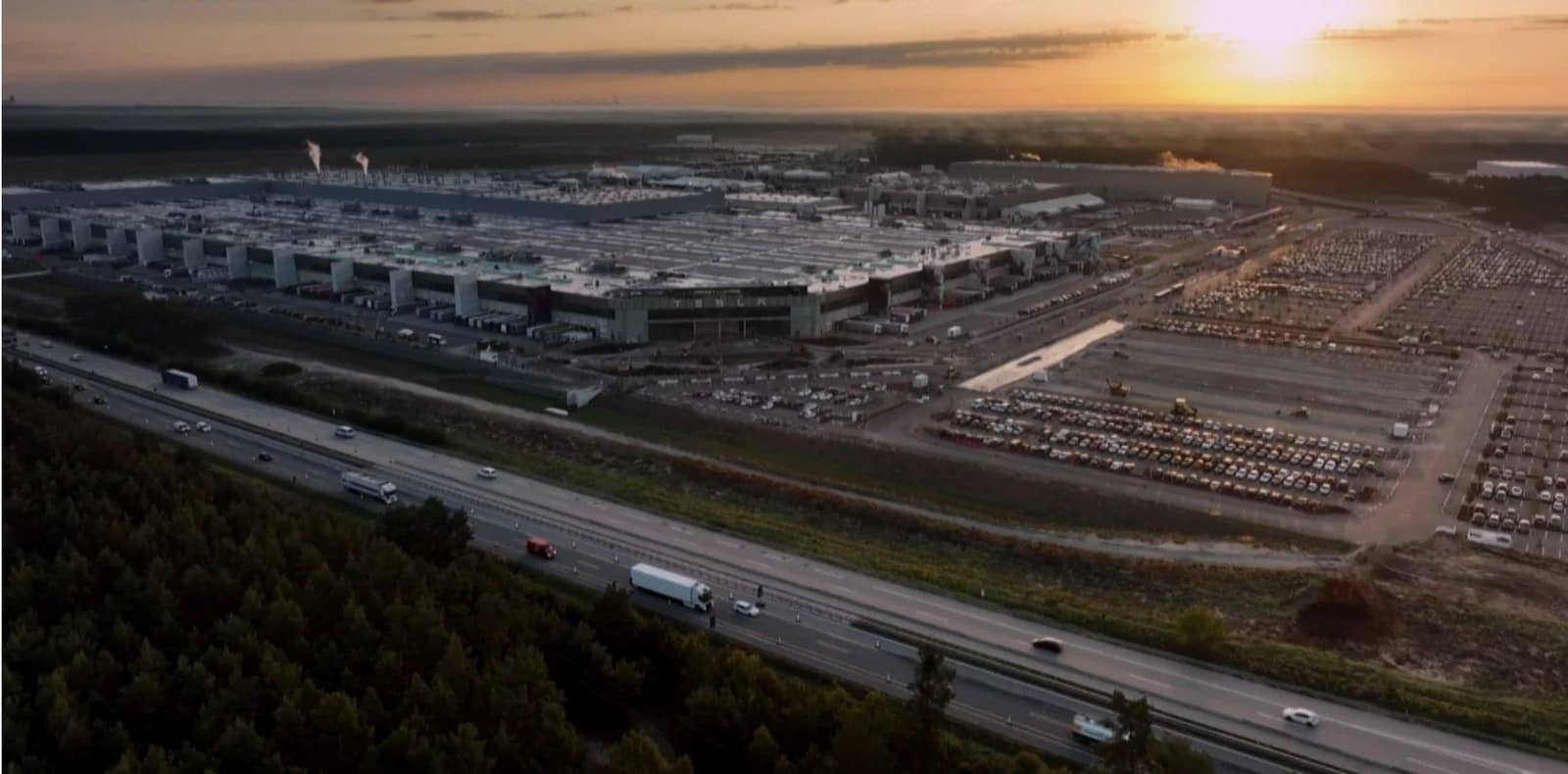
BMW’s 53.2% share underscores how established premium automakers are using their existing footprint to hold the top spot. Tesla’s surge is even more striking: sales jumped from 40 units a year earlier to 291, pushing its share to 33.5% and making it the second-largest luxury EV brand in the market. That is the kind of growth that can change a company’s long-term opportunity in a market as large as India, where premium car buyers increasingly want an electric option without giving up range, features or status.
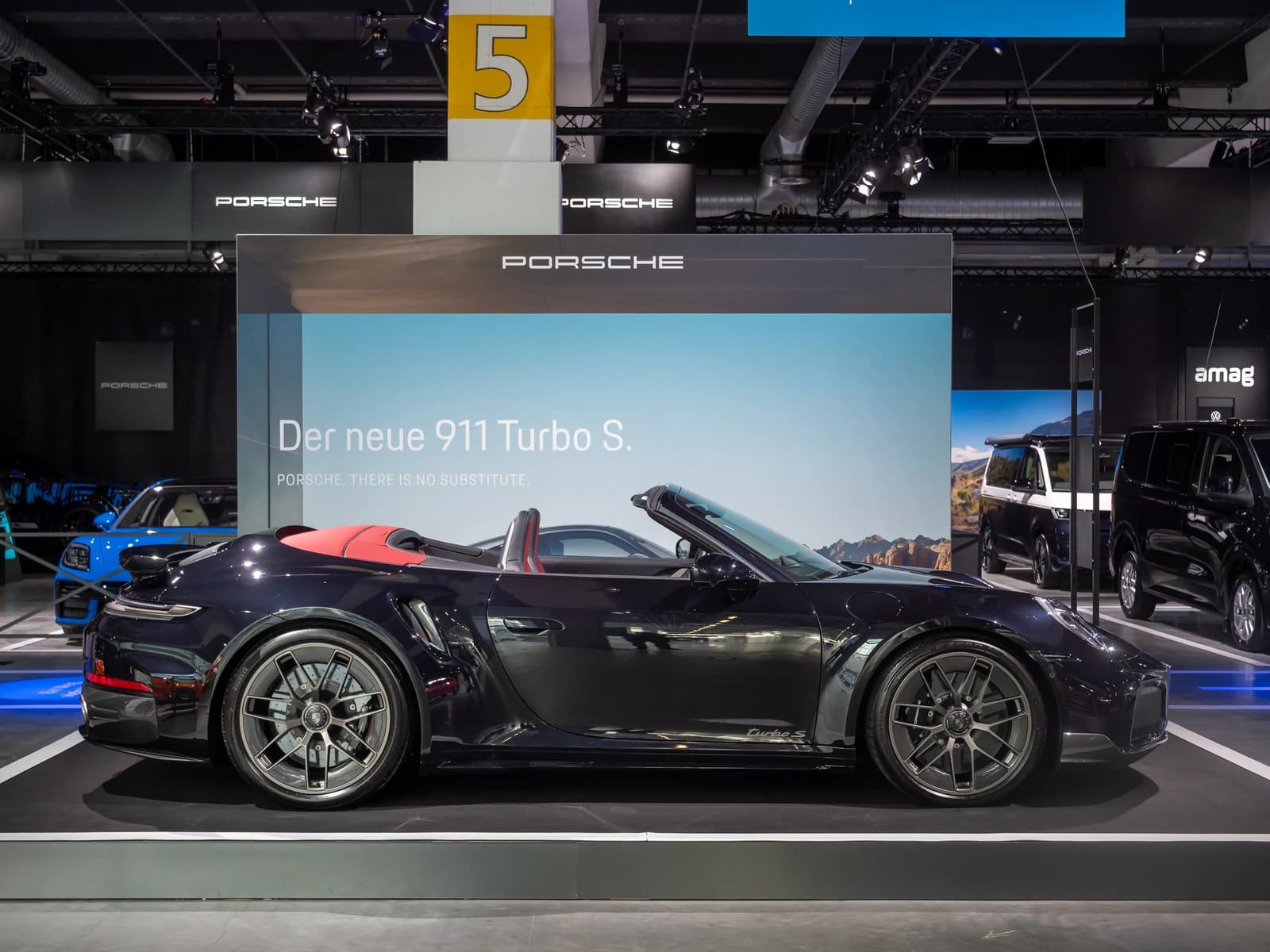
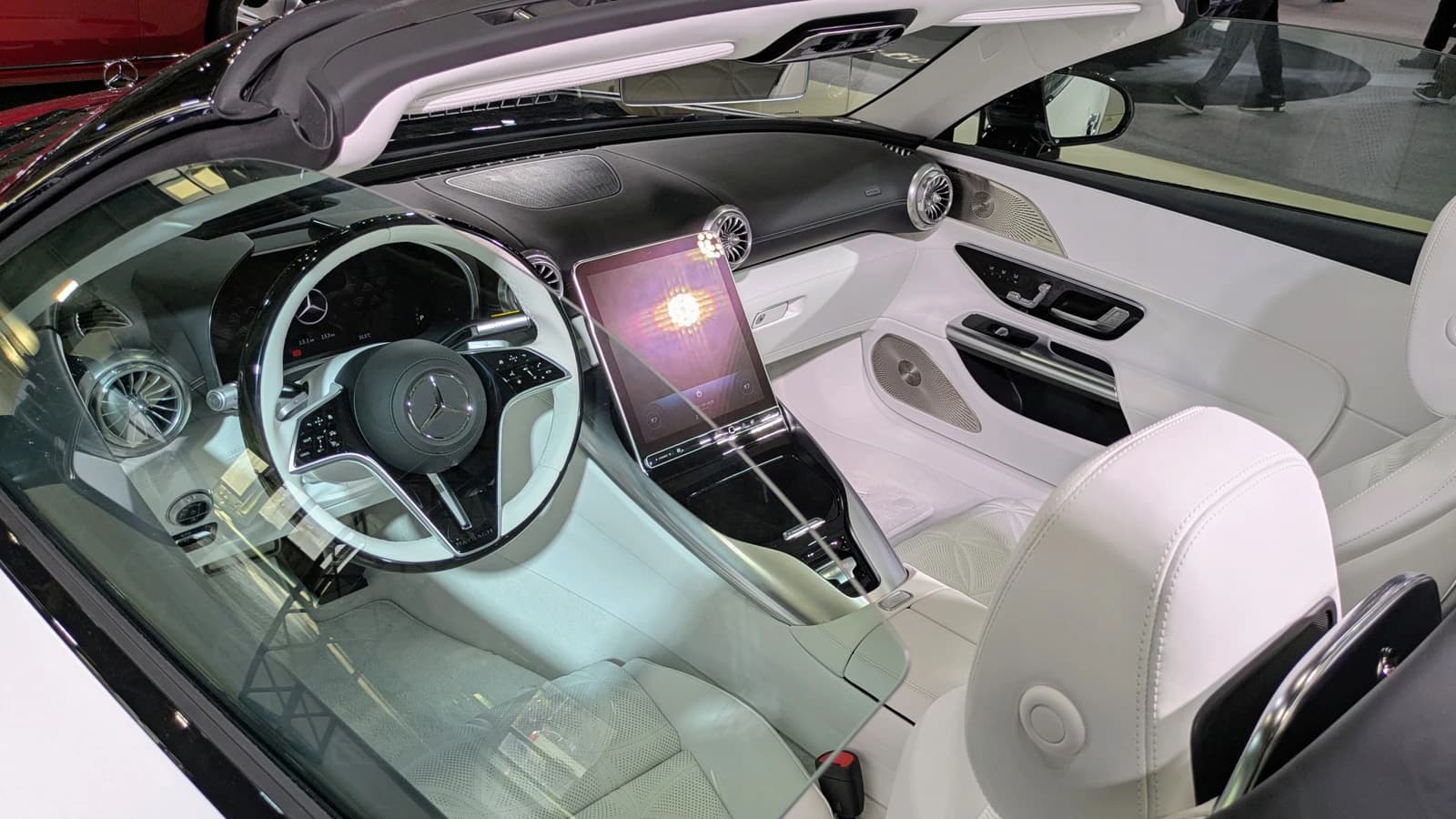
Mercedes-Benz, meanwhile, posted the clearest warning sign. Sales fell 48.8% to 62 units, cutting its share to 7.1%. Volvo also advanced, with sales up 54.2% to 37 units, while Porsche managed 15. At the back of the pack, Lotus sold one EV and Audi and Jaguar failed to register a single sale, a reminder that brand heritage alone is not enough when customers are choosing among a fast-expanding set of electric options.
The broader message is that luxury EVs are no longer a novelty purchase. They are becoming a competitive category shaped by product mix, pricing, service networks and the ability to convert premium buyers who are willing to pay up for electric performance and technology. That is good news for the sector as a whole, but it also means the spoils will go to a few brands that can scale fastest and most consistently.
For long-term investors, this is the kind of trend worth watching rather than chasing. India’s luxury EV market is still tiny, but a 53% jump in one month suggests the runway is getting longer. BMW has the lead today, Tesla is clearly gaining ground, and the next few years should tell us which brands can turn early momentum into durable market share.
| Entity | Gains | Losses |
|---|---|---|
| BMW | ▲Top market share | ▼Smaller relative upside |
| Tesla | ▲Fastest growth, rising share | ▼Still trails BMW |
| Mercedes-Benz | ▲Premium EV exposure | ▼Sharp sales decline |
| India luxury EV buyers | ▲More model choice | ▼Legacy brands losing traction |