Mercedes-Benz is giving its best-selling C-Class a major midcycle overhaul for 2027, adding an AI-enabled infotainment system, more electrified powertrains and sharper styling as the luxury carmaker pushes deeper into software-defined vehicles.
Mercedes-Benz C-Class gets 2027 midcycle overhaul
The refreshed sedan is due in North American showrooms in the first half of 2027, and the update matters because the C-Class remains a core volume model for Mercedes. Any lift in technology, drivability and perceived quality on this car can feed straight into margins, brand strength and dealer traffic in a highly competitive premium segment.
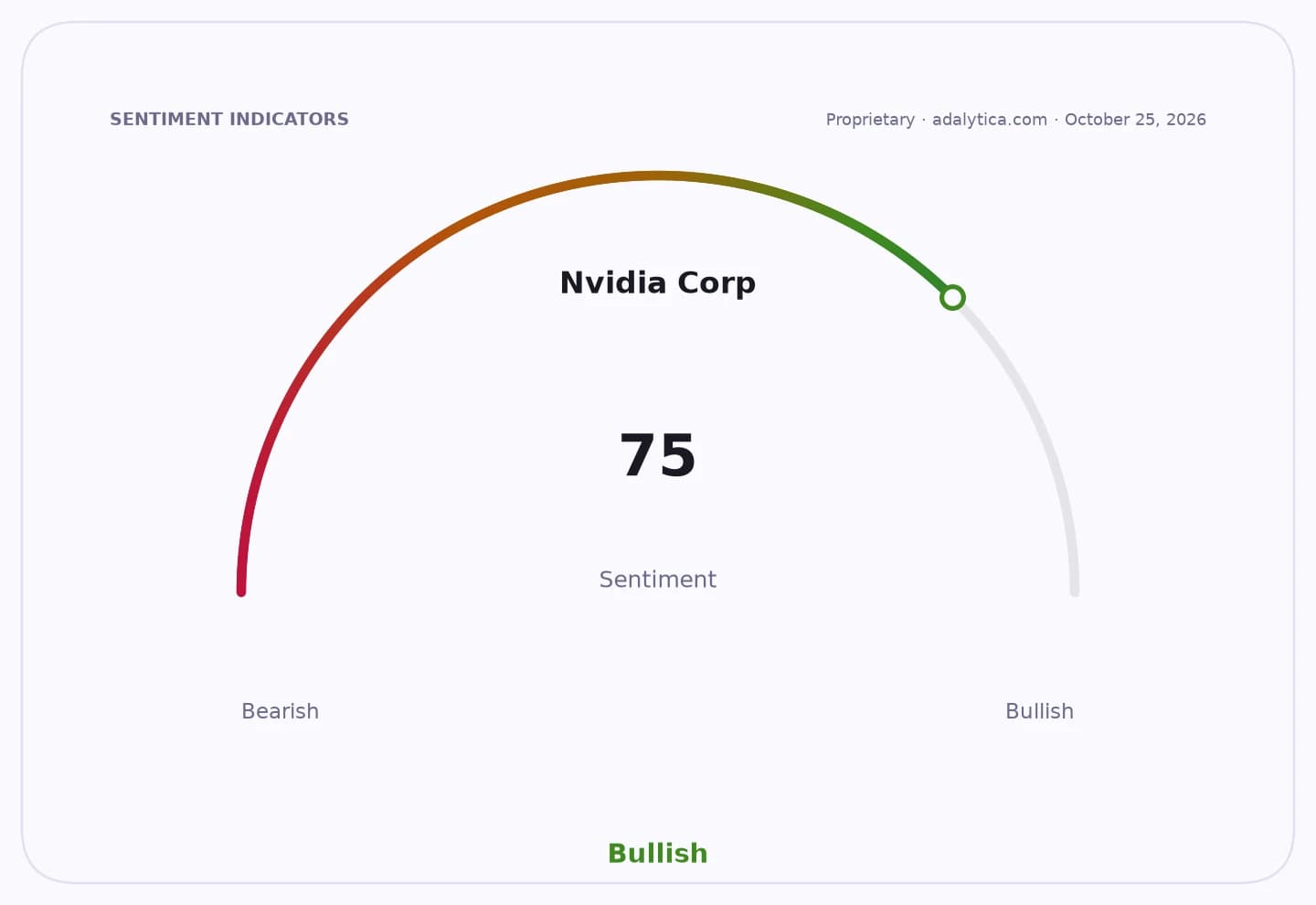
Sentiment Indicators
At the center of the update is the fourth-generation MBUX system, now running on Mercedes’ MB.OS software architecture. The virtual assistant uses a multi-agent setup that integrates ChatGPT, Microsoft Bing and Google Gemini, and can handle multi-turn conversations while pulling live data on navigation, stock prices, weather and local points of interest.
Mercedes is also leaning on Google Maps through Google Cloud’s automotive AI agent to deliver augmented-reality navigation on a 12.3-inch digital cluster and a 11.9-inch vertical center display carried over from the outgoing car. The company says owners will be able to buy added features through its software store and receive remote updates over the air, a setup that can support recurring software revenue over time.
The hardware changes are just as important for investors watching the pace of electrification. The 2.0-liter turbocharged M 254 EVO engine gets an electric auxiliary compressor on a 48-volt system, designed to cut turbo lag, while a second-generation integrated starter-generator adds up to 23 horsepower and 151 lb-ft of torque during launches and load changes.
Mercedes detailed three gasoline outputs for the new lineup: the C 200 with 177 horsepower, the C 250 with 218 horsepower and the C 300 with 255 horsepower, including a 20-second overboost that adds 27 horsepower. The plug-in hybrid C 400 e 4MATIC combines the four-cylinder engine with an electric motor for 395 horsepower and 479 lb-ft of torque, using a 19.53-kWh usable battery that can charge at up to 11 kW on AC and 55 kW on DC fast chargers, with electric range estimated at up to 86 kilometers in Europe.
For buyers, the model also gets revised suspension mounts, retuned adaptive dampers and an optional rear-axle steering system that can turn the rear wheels by up to 2.5 degrees to tighten the turning circle. Mercedes is borrowing styling cues from the larger E-Class and S-Class, with a bigger grille, illuminated trim options, star-shaped daytime running lights and new wheel and paint choices.
Mercedes has not disclosed pricing or official fuel economy yet, but those details will be watched closely when the car nears launch. For investors, the key question is whether the C-Class refresh can hold Mercedes’ share in a crowded luxury market while supporting software monetization and a cleaner powertrain mix ahead of a broader 2027 rollout.
| Entity | Gains | Losses |
|---|---|---|
| Mercedes-Benz | ▲Higher-tech C-Class appeal | ▼Upfront development costs |
| Buyers | ▲More AI, hybrid efficiency | ▼Higher eventual pricing |
| Competitors | ▲Stronger benchmark to beat | ▼Greater pressure on features |
| Dealers | ▲New inventory and demand lift | ▼Slower interest if pricing is high |