BMW has set a new internal distance record for an electric car after an i3 completed 1,213 kilometers in China on a single charge, a result that matters because range remains one of the last major psychological and practical barriers to broader EV adoption.
BMW i3 sets 1,213-km EV range record in China
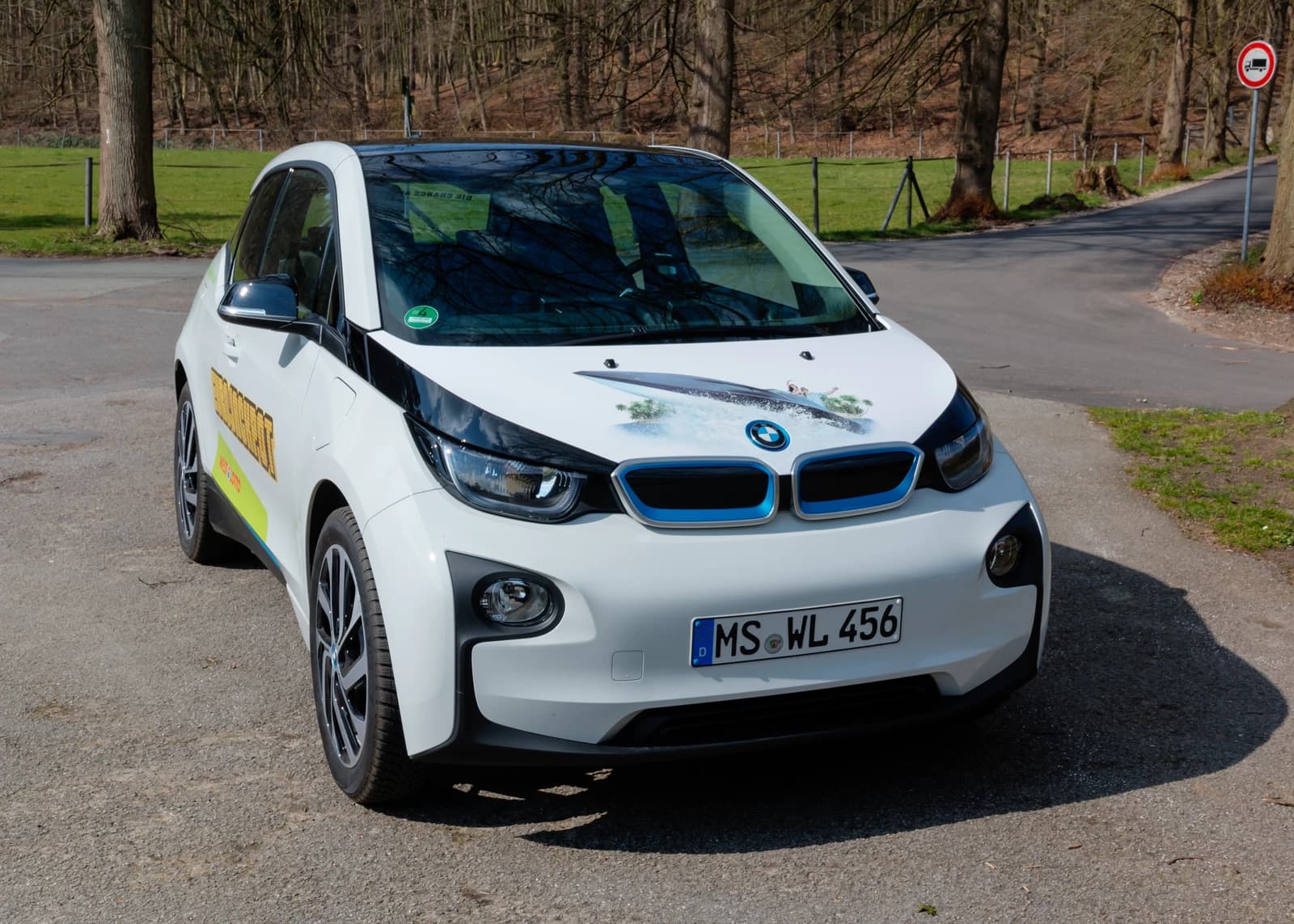
The company said the test route combined highways, arterial roads, local streets and urban traffic, a mix that makes the result more relevant than a controlled track run. For buyers, every additional kilometer of real-world range reduces “range anxiety” and the need to plan trips around chargers. For manufacturers, it reinforces that the next phase of EV competition is shifting from headline acceleration and battery size toward efficiency, software calibration and energy management.
Sentiment Indicators
The record is also strategically important because China remains the world’s most competitive EV market and the place where automakers are under the greatest pressure to prove product credibility. A long-range demonstration there is more than a marketing exercise: it is a response to a market where domestic rivals have already pushed battery technology, charging speed and efficiency to the forefront of purchasing decisions.
For BMW, the achievement helps support the case that premium European automakers can still compete on engineering rather than only on scale. It may not move quarterly sales on its own, but it strengthens the brand’s EV narrative at a time when investors are watching whether legacy carmakers can defend margins as the industry spends heavily on electrification. Better range and efficiency can lower the amount of battery capacity needed per vehicle, which is economically important because batteries remain one of the costliest components in an EV.
The broader investor implication is that range records remain useful, but they do not solve the commercial challenge by themselves. Consumers still care about charging access, battery degradation, purchase price and resale value. Rival EV makers such as Tesla and newer battery-focused players are still judged not just on one-off feats, but on whether they can deliver range, efficiency and cost discipline at scale. Even so, BMW’s result is another reminder that incremental gains in efficiency can shape the next leg of competition in the EV sector.
| Entity | Gains | Losses |
|---|---|---|
| BMW | ▲EV credibility, premium branding | ▼Pressure to keep innovating |
| EV buyers | ▲Less range anxiety | ▼Little immediate downside |
| Tesla and peers | ▲Benchmark pressure | ▼Relative differentiation risk |
| Battery suppliers | ▲Demand for efficient cells | ▼Pricing power if efficiency improves |