Japan’s electric vehicle market has finally crossed a psychologically important threshold, with domestic new EV sales topping 100,000 units for the first time in 2026 as government subsidies continue to pull buyers into showrooms.
Japan EV Sales Top 100,000 on Subsidies
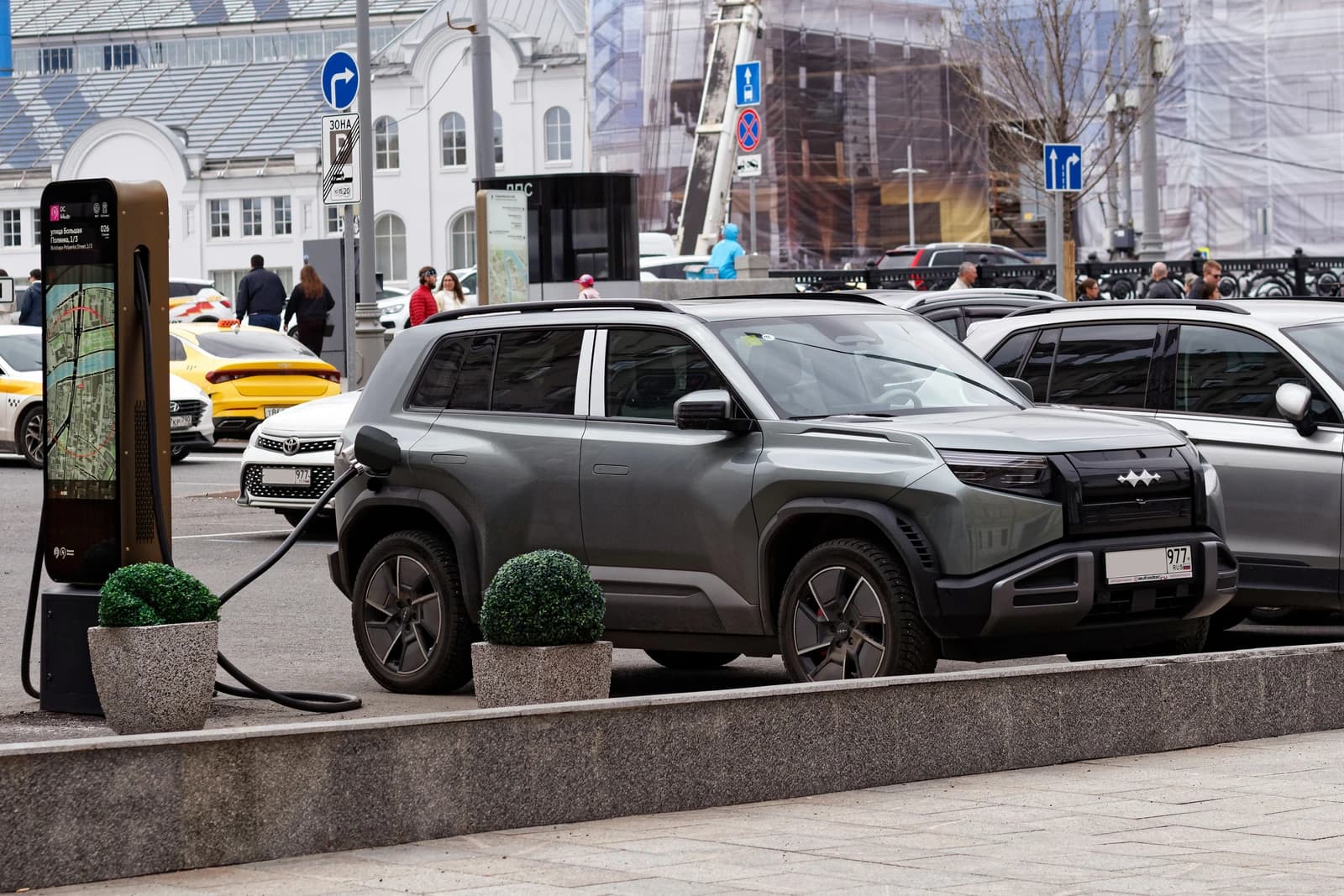
That matters because it signals that Japan’s EV adoption is no longer a niche story reserved for early adopters and corporate fleets. With 111,876 EVs sold in the first 10 months of the year, the market is now large enough to influence automakers’ product plans, charging investment and the pace at which suppliers shift capital toward batteries, power electronics and software-enabled vehicles.
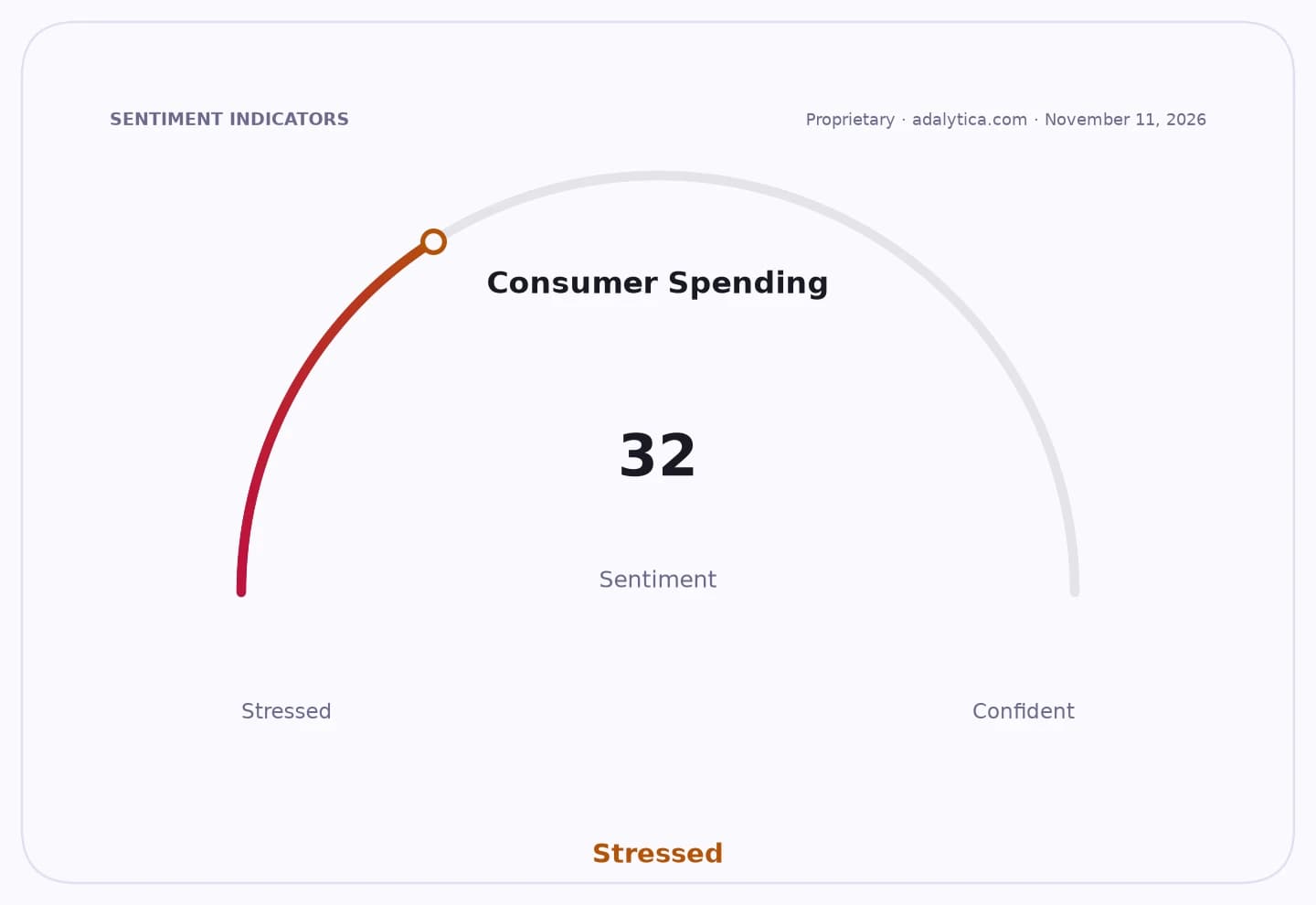
Sentiment Indicators
The demand surge has been helped by a subsidy regime that can cover as much as 1.3 million yen per purchase, one of the clearest policy levers in Asia’s auto market. But the support is already set to tighten. Officials expect the current subsidy intake to end as soon as December, with payments reduced from January, raising the risk that some of this year’s strength has been front-loaded rather than permanently structural.
That timing matters for investors because the next phase will test whether Japan’s EV transition is being built on durable consumer demand or on a temporary policy push. If sales hold up after incentives are cut, it would strengthen the case for a longer cycle of EV penetration in a market where hybrids have long dominated and pure battery vehicles have lagged global peers. If they fade, automakers and parts suppliers that have leaned into Japan’s EV growth story may have overestimated the depth of the market.
The numbers show the scale of the shift. Passenger EV sales through October included 95,614 non-kei models and 16,262 kei cars, underscoring that the market is broadening beyond a small premium segment. That is important for domestic automakers, because kei EVs can bring mass-market volume while larger models help build margin and brand credibility. It also creates a more credible runway for charging networks, battery sourcing and local manufacturing investment.
The biggest winners are likely to be EV manufacturers with affordable offerings, charging infrastructure providers and battery-linked suppliers. The losers are automakers that are slow to localize lower-priced EVs, as well as buyers who may face weaker incentives next year and a less generous entry point into the market.
For investors, the takeaway is straightforward: Japan’s EV market is moving from proof of concept to policy-supported scale, and the next catalyst will be whether demand can survive the subsidy roll-off. That is where the real opportunity lies — in the companies positioned for volume growth, not just headline EV exposure. I believe the market is still underestimating how quickly a policy-backed breakthrough can turn into a multi-year industrial shift.
| Entity | Gains | Losses |
|---|---|---|
| Japanese EV makers | ▲Higher unit sales | ▼Subsidy roll-off risk |
| Battery and charging suppliers | ▲More investment demand | ▼Slower rollout if sales cool |
| Consumers | ▲Lower purchase prices | ▼Smaller incentives from January |
| ICE-focused automakers | ▲— | ▼EV share pressure |