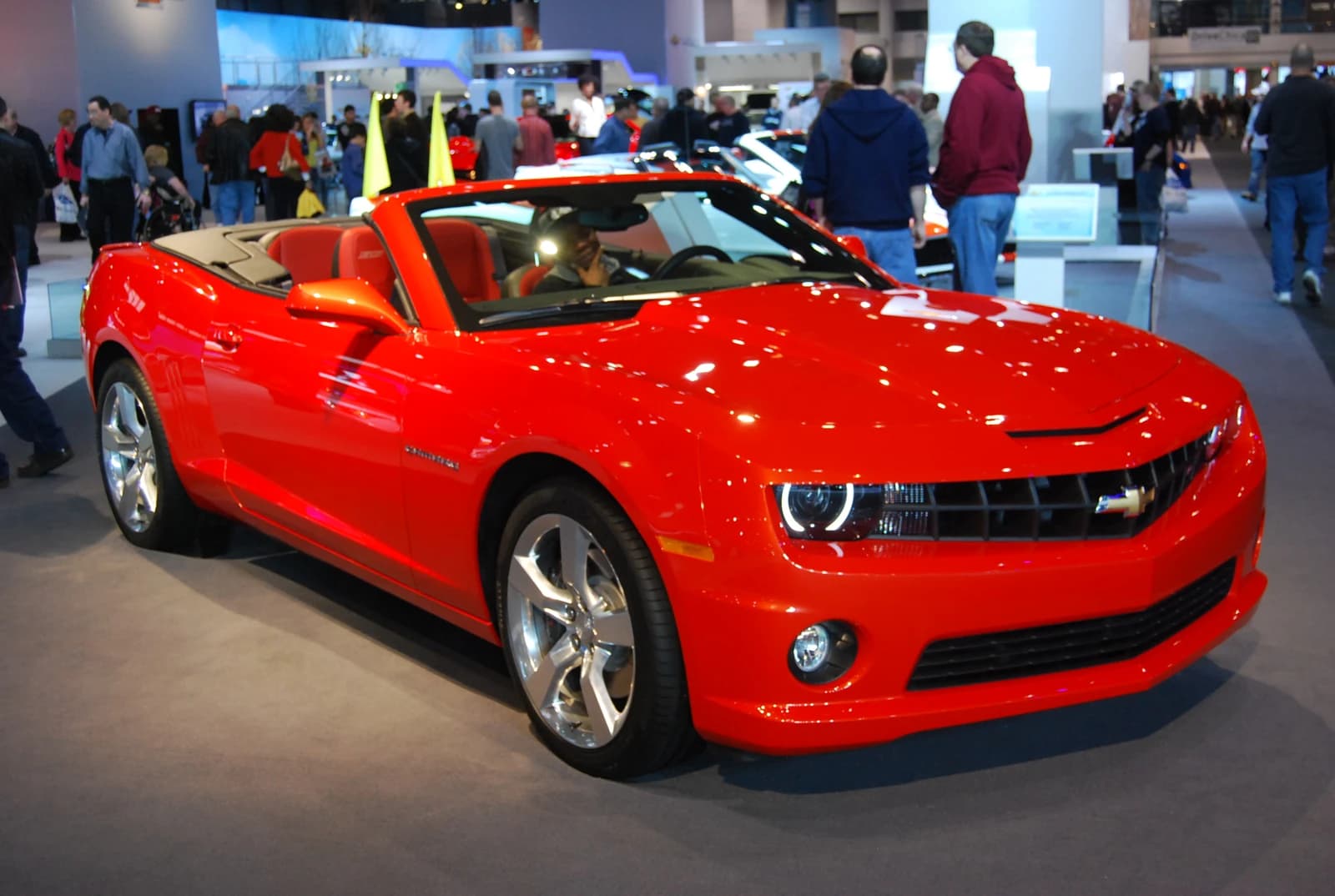
India’s passenger-vehicle market took a sharp step back in October, with retail sales falling 14.2% from a year earlier as the festive buying rush that lifted the broader auto sector failed to translate into steady demand for cars and SUVs.
India passenger vehicle sales fell 14.2% in October
That matters because passenger vehicles are the clearest read on discretionary spending in India’s economy. When car sales soften, it usually means households are becoming more cautious on big-ticket purchases, even if two-wheelers and other segments still benefit from holiday demand. For investors, it is a reminder that India’s consumer story is not moving in a straight line, and that auto makers with heavy exposure to passenger vehicles may face more uneven quarterly demand than recent optimism suggests.
Sentiment Indicators
The drop stands out against a stronger backdrop for the wider industry. India’s auto retail market posted its best October ever, with overall vehicle sales rising 25% month-on-month and electric-vehicle registrations hitting a record. But the headline strength masked a split market: bikes and smaller vehicles got a lift from the festival season, while passenger cars lost momentum after the initial buying burst.
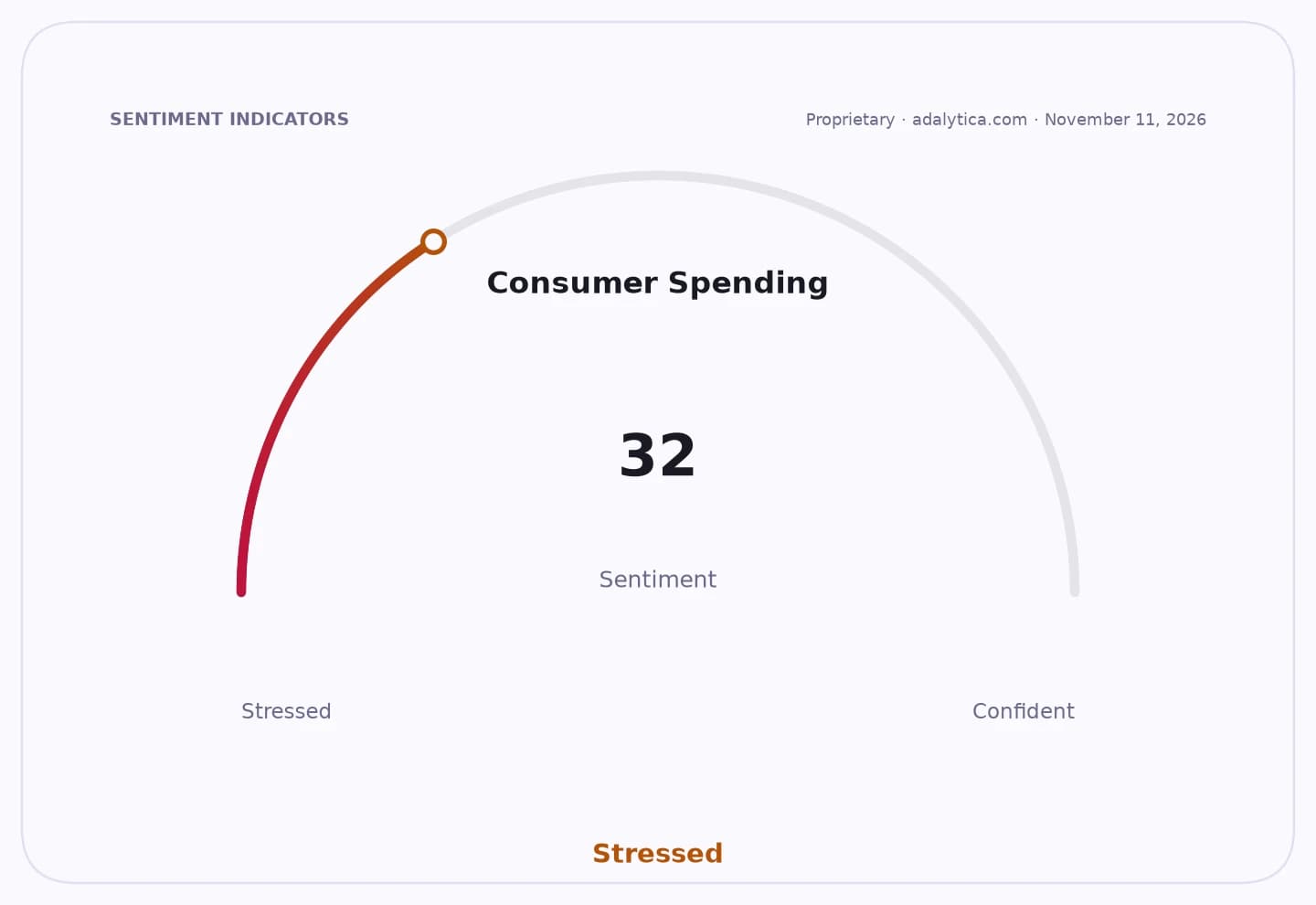
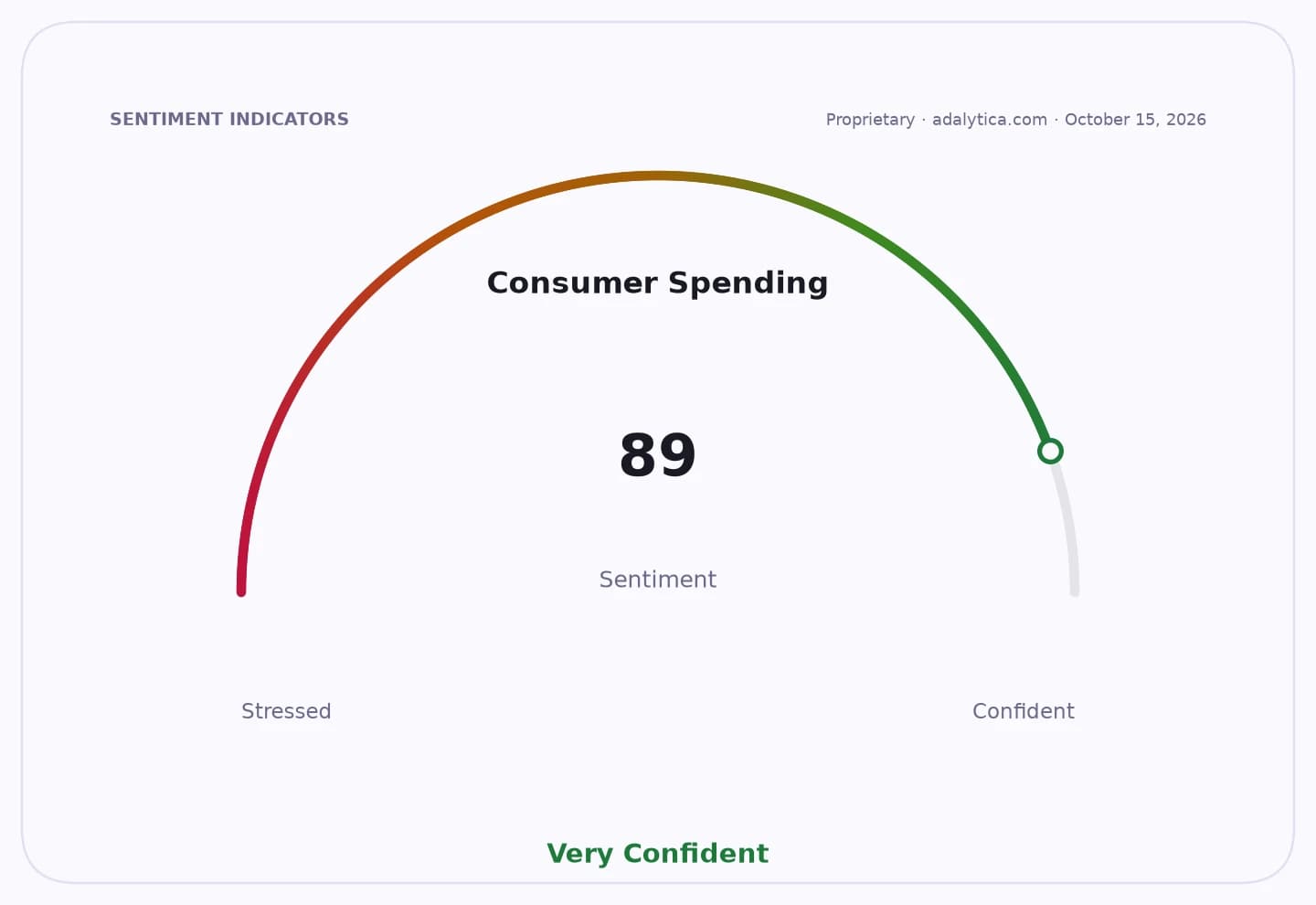
That divergence matters for the investment case. Companies with broad exposure to India’s mass-market consumer are still likely to benefit from the country’s long-term income growth, electrification and local manufacturing push. But October shows that near-term results can be lumpy, especially when sales are driven by calendar effects rather than a durable pickup in household confidence. Sentiment gauges tracked by Adalytica.com point to caution among consumers, with consumer-spending sentiment still neutral and recession worries elevated, suggesting buyers may be stretching purchases rather than rushing in.
For automakers, the message is less about a broken market than a highly selective one. Brands with the right pricing, financing offers and new-model pipeline can still gain share, especially in EVs and premium trims. VinFast’s strong registration performance, for example, shows that new entrants can win attention even in a mixed market. Suppliers also stand to benefit from the broader shift toward localization and electrification, which should support parts demand over time even if monthly retail numbers wobble.
For long-term investors, the key is not to chase one month’s weakness or strength. India remains one of the world’s more attractive auto markets over a multi-year horizon, but October’s passenger-vehicle decline is a useful check on exuberance. The best approach is to favor companies with strong balance sheets, pricing power and exposure to structural growth, then let compounding do the work. In a market this cyclical, patience is still an edge.
| Entity | Gains | Losses |
|---|---|---|
| Auto makers with EV exposure | ▲Share gains, new demand | ▼Legacy ICE-only peers |
| Suppliers and parts makers | ▲Steady localization orders | ▼OEMs facing softer retail sales |
| Consumers | ▲More choice, possible discounts | ▼Higher caution on big-ticket buys |
| Passenger-vehicle dealers | ▲Inventory turnover if discounts work | ▼Slower showroom traffic |