India’s October auto retail numbers looked weak on the surface, but the bigger story is that demand did not disappear — it shifted into November, setting up a more meaningful test of the country’s consumer cycle in the months ahead.
India Auto Sales Fall in October on Festival Timing
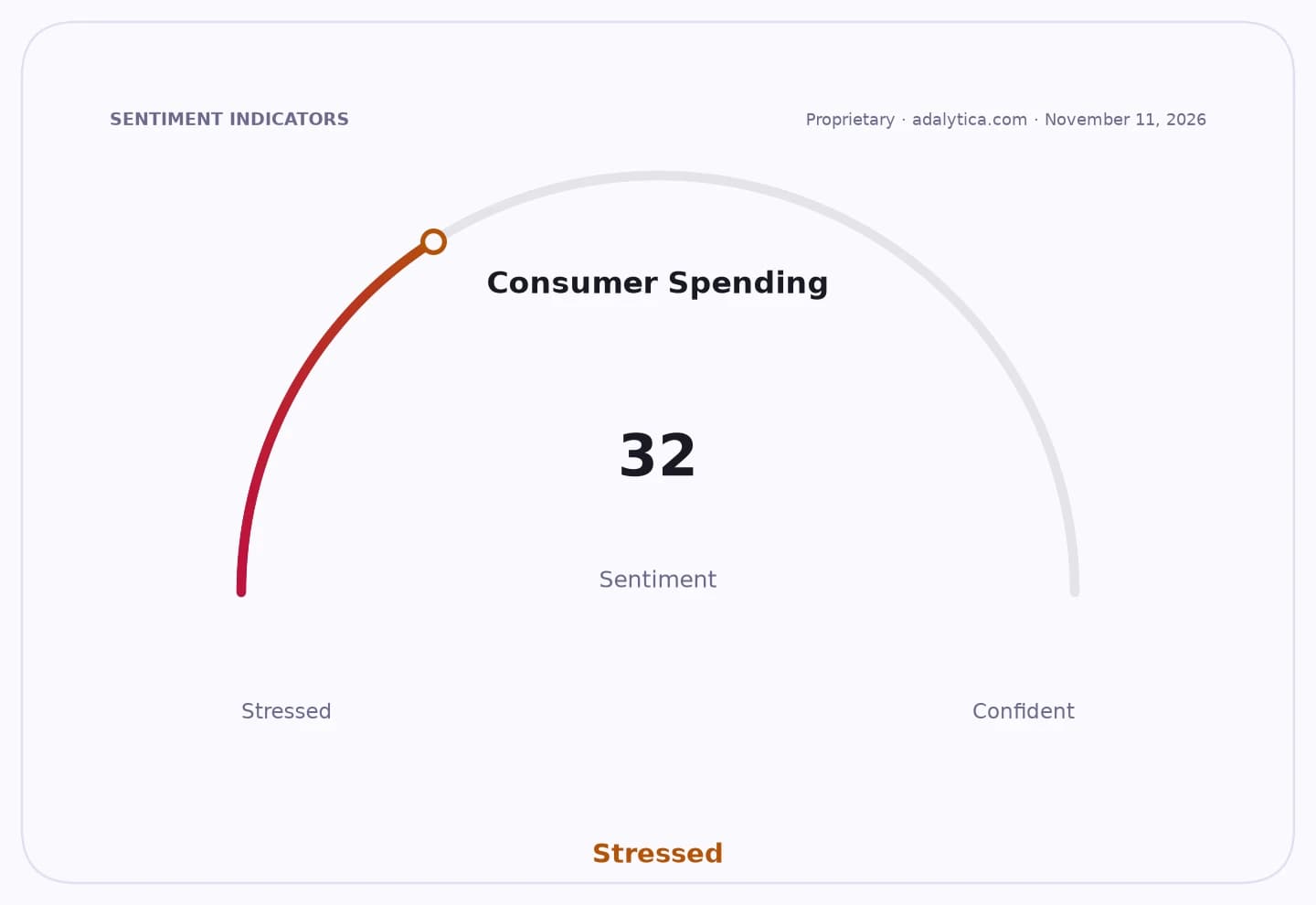
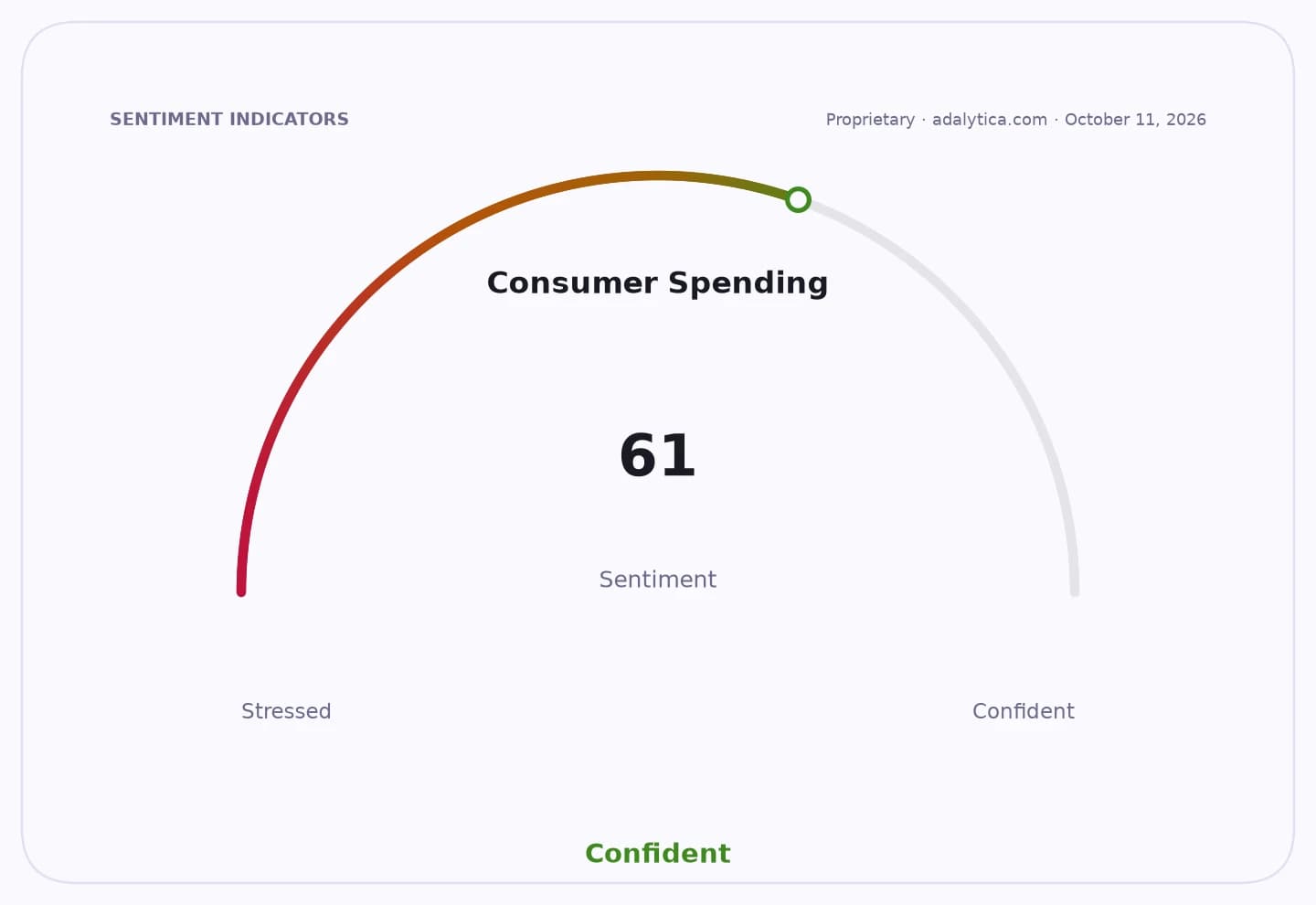
The Federation of Automobile Dealers Associations said retail sales fell 23.8% year on year to 31.72 lakh units in October, dragged down by a calendar effect rather than a sudden collapse in appetite. Last year’s October was unusually strong because Navratri and Diwali both fell in the month, while this year Dhanteras and Diwali moved into November. FADA said the comparison is “almost entirely optical,” and the industry now expects the real festive wave to show up in November registrations.
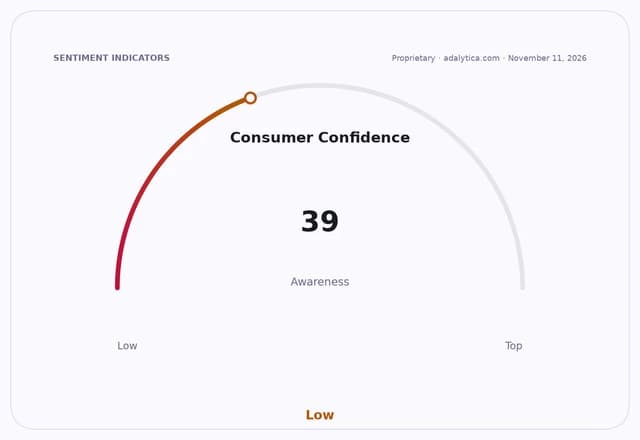
Sentiment Indicators
That matters because India’s auto market is one of the clearest real-time gauges of consumer demand, credit access and rural income trends. Two-wheelers, the most volume-sensitive segment, fell 28.35% to 23.21 lakh units, while passenger vehicle sales slipped 4.23% to 5.08 lakh units. Rural two-wheeler demand was especially soft, down 33.97%, pointing to pressure on the lower end of the consumption ladder. If that weakness persists beyond the festival-calendar distortion, it would be a warning sign for household spending more broadly.
But the report also shows why investors should avoid reading October in isolation. Commercial vehicle retail sales rose 2.29%, three-wheelers climbed 3.97% and tractors increased 3.10%, with FADA calling each category’s October performance the best on record. That is important for investors because those segments are tied more closely to freight movement, construction, rural cash flow and farm sentiment than to pure festive purchases. In other words, there is still underlying economic activity in the system even if one of the biggest retail months was distorted by timing.
The most notable structural shift is in powertrain demand. Electric vehicle retail sales hit an all-time high of about 3.55 lakh units, lifting penetration to 11.5% from 6% a year earlier. Sales of CNG, hybrid and electric vehicles together accounted for 41.83% of sales, narrowly ahead of petrol at 41.6%. That is a real long-term investing story: India’s vehicle mix is changing, and manufacturers with scale in alternative fuels, EVs and cost-efficient commuter vehicles are likely to gain share over time.
For automakers, dealers and component suppliers, the near-term outlook still depends on the festival calendar, year-end offers and supply of the right variants. FADA said November should benefit from Dhanteras and Diwali falling squarely in the month, while December and January will hinge on promotions and new launches. For investors, the takeaway is simple: October’s decline is not a thesis breaker, but it does remind you that auto demand in India remains cyclical and highly seasonal. The real test is whether November confirms that consumers only paused, or whether the recovery in buying behavior broadens beyond a festival-driven bounce. That makes the sector worth watching, not abandoning.
| Entity | Gains | Losses |
|---|---|---|
| Auto dealers | ▲November festive footfall | ▼October comparison noise |
| EV and alternative-fuel makers | ▲Higher penetration and mix | ▼Petrol-only models |
| Commercial vehicles, tractors | ▲Best-ever October demand | ▼Two-wheeler sellers |
| Rural buyers and lenders | ▲Festive financing demand | ▼Weak rural two-wheeler sales |