India’s consumer ecommerce startups are getting less cash, and that slowdown matters because it is forcing the sector out of growth-at-any-cost mode and into a harsher era of capital discipline.
India ecommerce funding falls as capital discipline rises
Funding for India’s B2C ecommerce companies fell by about one-third to $1.6 billion year to date in 2026, according to the seed data, a shift that suggests investors are becoming more selective just as the market’s best operators fight for share in a huge but increasingly unforgiving consumer landscape. For a sector that once lived on aggressive subsidy-led expansion, a smaller funding pool is not just a financing story — it is a valuation reset, a margin test and a forcing function for consolidation.
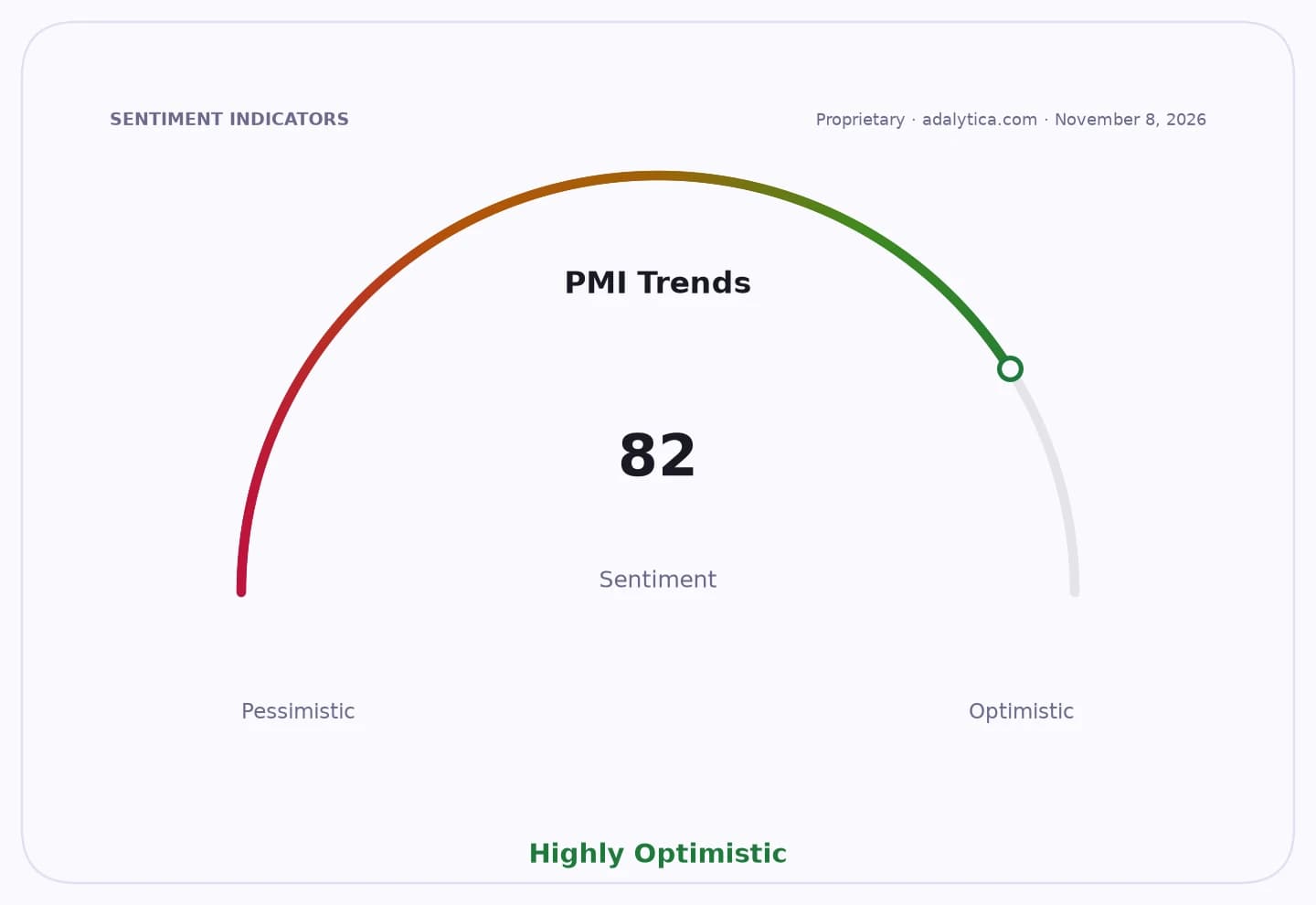
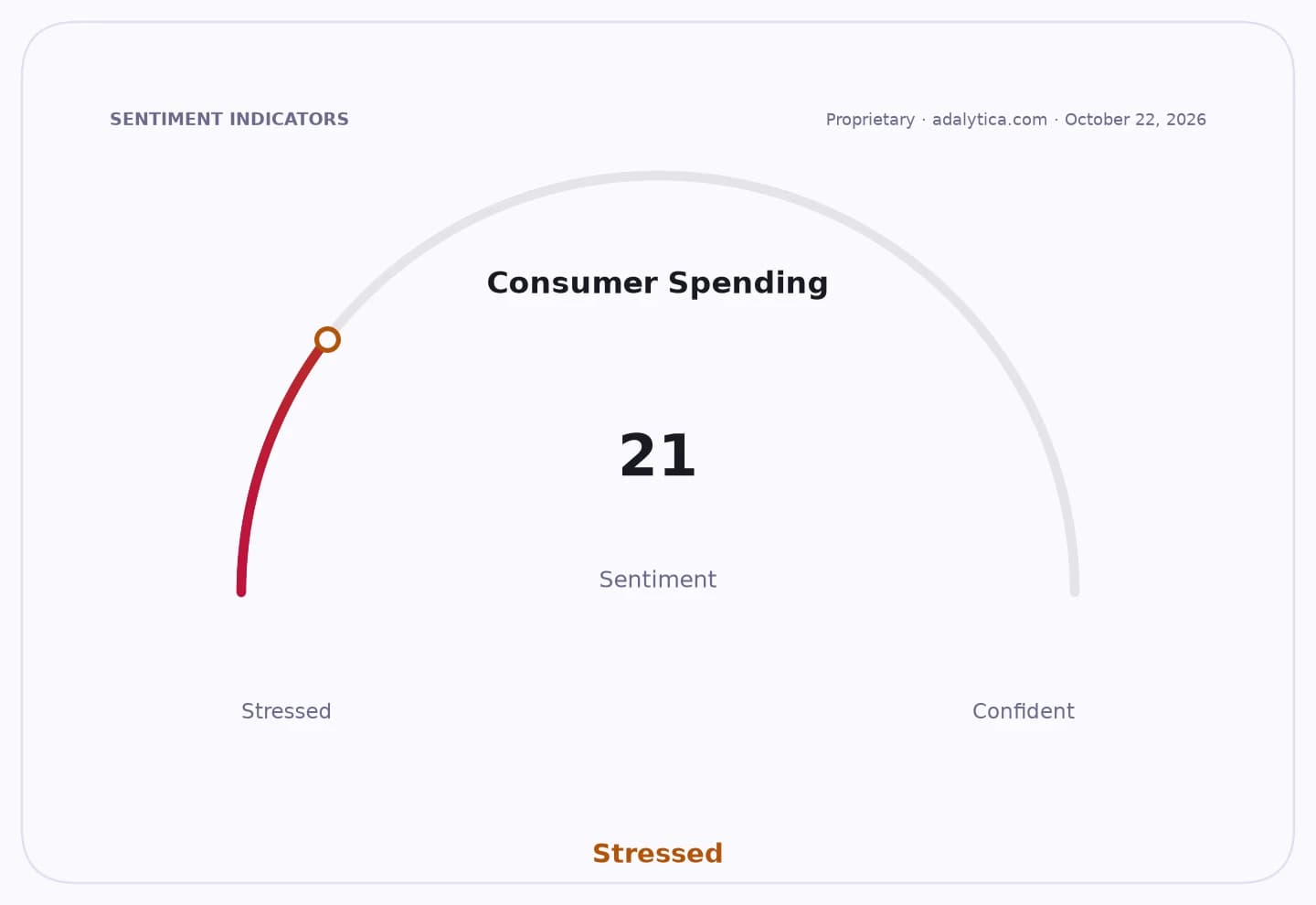
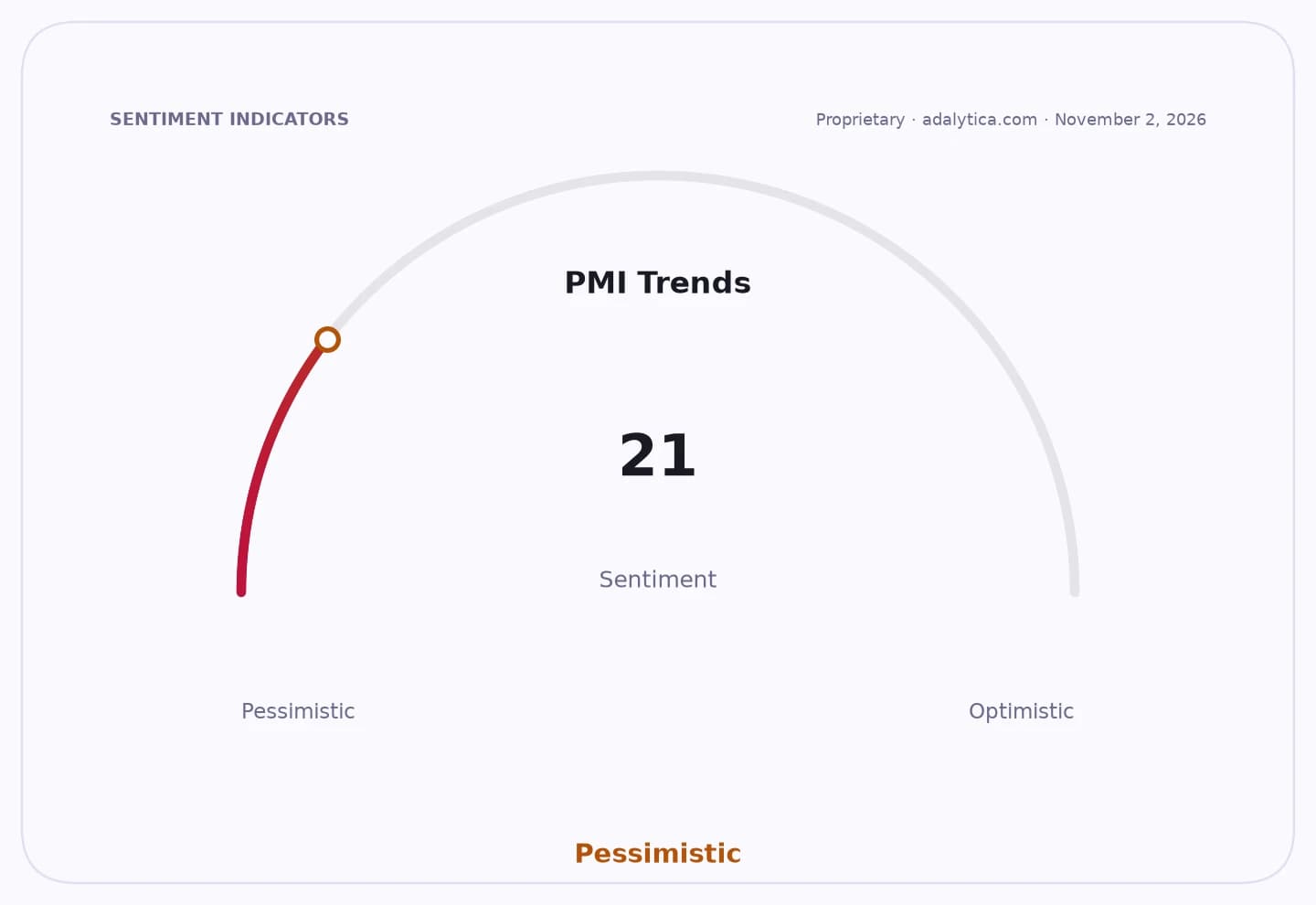
Sentiment Indicators
The cutback comes as Indian consumer demand remains attractive but uneven. Adalytica’s retail goods spending sentiment is still in “extreme greed,” yet consumer spending sentiment itself sits in “fear,” a combination that points to selective buying rather than broad-based exuberance. That is exactly the kind of environment in which ecommerce winners can keep scaling while weaker players run out of room. The market underestimates how quickly capital efficiency becomes the main competitive advantage once investors stop paying for vanity growth.
That shift has real economic consequences. Less funding means fewer discount wars, fewer warehouse buildouts and less room to burn cash chasing market share. It also raises the bar for public-market exits, especially in India’s crowded internet ecosystem, where investors now want clearer paths to profitability rather than perpetual GMV expansion. For logistics, payments and cloud infrastructure providers, the implication is mixed: the survivors will still spend, but the industry-wide burn rate should cool.
The public comps reflect the same split-screen market. Amazon’s stock has recovered sharply from its lows and trades above both its 50-day and 200-day moving averages, while Alibaba remains well below its 200-day line and Shopify has been volatile despite strong longer-term momentum. That divergence matters because it shows capital is still available for platforms with scale, balance-sheet strength and clearer monetization — but not for every growth story carrying an ecommerce label.
The more important investment takeaway is that India’s funding pullback may be the start of a quality rotation, not a collapse in the underlying opportunity. The addressable market is still large, mobile commerce penetration is still rising and consumer brands continue to gain online reach. But the next winners will be the companies that can grow without depending on easy capital. That favors large-platform operators, fulfillment specialists, payment rails and software vendors that sell picks-and-shovels into ecommerce rather than the most subsidized direct-to-consumer players.
If funding stays down, expect a second-order effect: weaker startups will seek acqui-hires, strategic mergers or distressed sales, while the best-capitalized incumbents use the downturn to widen their moat. For investors, this is the moment to focus on the companies that can turn scarcity of capital into an advantage. In India ecommerce, less money now may ultimately create more durable winners later.
| Entity | Gains | Losses |
|---|---|---|
| Large-cap ecommerce platforms | ▲Share gains, pricing discipline | ▼Smaller rivals |
| Logistics and fulfillment providers | ▲Stable long-term demand | ▼Volume-bleeding startups |
| Payment and software vendors | ▲More efficient operators | ▼Subsidy-heavy merchants |
| VC-backed B2C startups | ▲— | ▼Lower valuations, tougher fundraising |