Tata Motors is holding its lead over Mahindra & Mahindra in India’s passenger-vehicle market, with electric cars emerging as the key differentiator in a segment where pricing, product mix and local manufacturing are increasingly deciding share.
Tata Motors Holds India PV Lead on EV Advantage
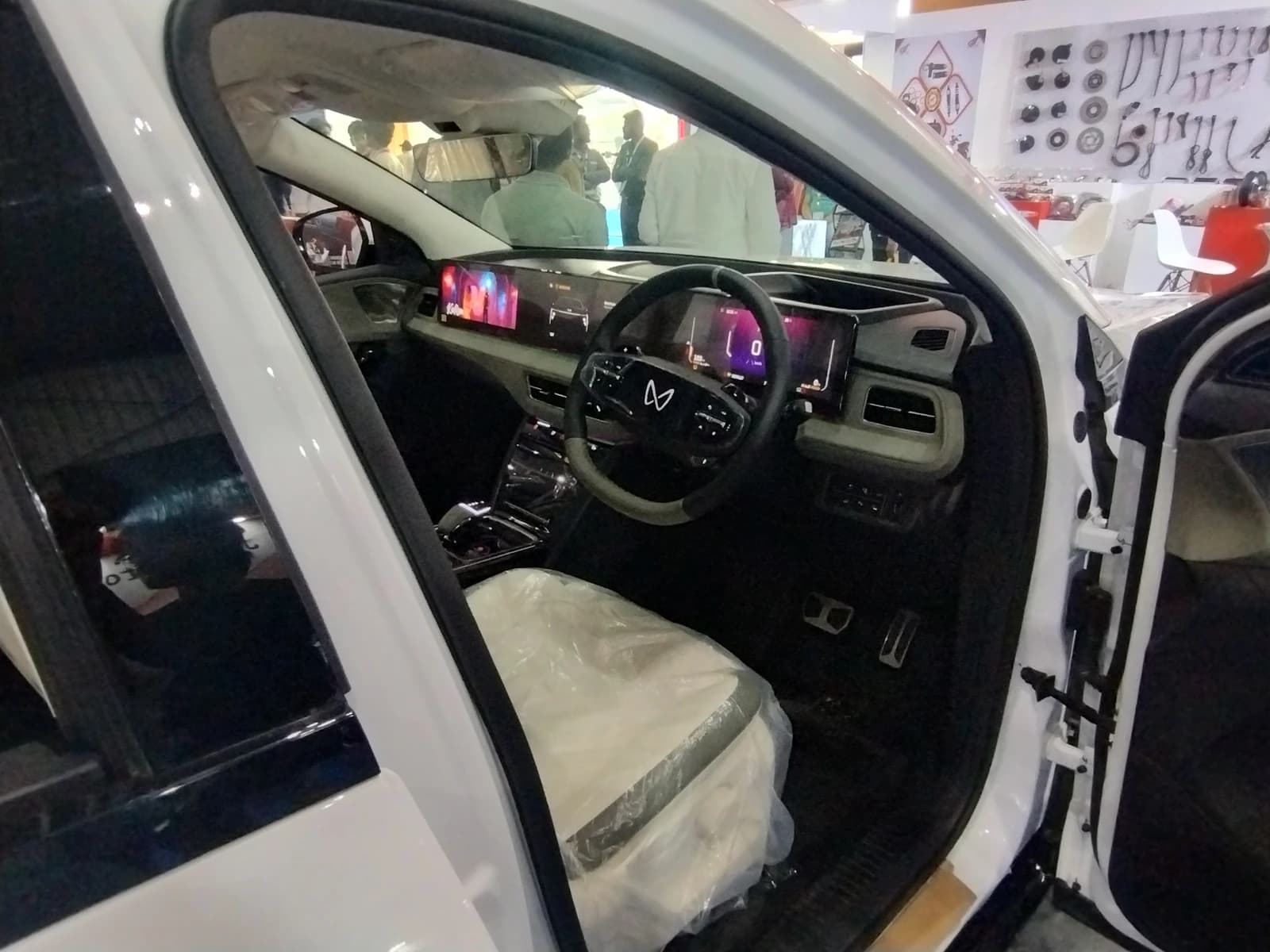
The significance goes beyond a simple ranking. India’s passenger-vehicle market is still expanding, but growth is getting harder to win as buyers become more price-sensitive and competition intensifies across SUVs, mass-market cars and EVs. For Tata, leadership in EVs gives it a structural edge in a market where electric adoption remains early but is becoming a crucial source of brand strength, showroom traffic and future earnings power.
Sentiment Indicators
That matters for investors because EV leadership can help a legacy automaker defend margins and share while competitors spend heavily to catch up. Tata’s passenger-vehicle franchise has increasingly leaned on electric models to differentiate itself from Mahindra, which has built momentum in SUVs and utility vehicles but still lacks Tata’s scale in battery-electric cars. In a market where consumers are weighing running costs, charging access and resale value, EV breadth is becoming a real competitive moat.
The broader backdrop is one of localization and affordability. Carmakers in India and across Asia are leaning harder on local sourcing and domestic supply chains to protect cost structures and improve acceptance among buyers sensitive to price. Reuters reported Kia has opened pre-orders for its Carens EV in Indonesia and said 80% of components are locally sourced, underscoring how regional manufacturing is shaping the next phase of EV competition. That same logic is at work in India, where domestic content, pricing discipline and after-sales reach can be as important as technology.
For Tata, the market share lead also reinforces its role as one of the clearest beneficiaries of India’s EV transition. It has used an early-mover advantage to build scale in a category still small relative to the overall market, but strategically important because it can influence fleet economics, dealer economics and customer loyalty. Mahindra, meanwhile, remains a formidable challenger, particularly in SUVs, but the EV gap means it has less room to absorb a slowdown in conventional vehicle demand.
Technical indicators on Tata Motors’ shares also suggest investors have been reassessing the story after a volatile year. The stock has climbed back above its 50-day and 200-day moving averages, and momentum indicators have improved, pointing to renewed confidence that the company can sustain its market position. For a stock tied closely to India’s consumer cycle and the pace of EV adoption, that recovery reflects optimism that the company’s product mix is improving even as the broader auto cycle remains uneven.
The next test is whether Tata can convert EV leadership into durable profitability rather than just volume share. Watch for pricing pressure, launch cadence and how quickly Mahindra closes the product gap. If EV penetration accelerates, Tata’s early lead could become more valuable; if demand remains concentrated in traditional SUVs, the advantage may narrow.
| Entity | Gains | Losses |
|---|---|---|
| Tata Motors | ▲Passenger-vehicle share | ▼Competitive pricing pressure |
| Mahindra & Mahindra | ▲SUV demand | ▼PV leadership gap |
| EV buyers | ▲More model choice | ▼Early-stage charging constraints |
| Traditional ICE rivals | ▲Time to adapt | ▼Share in electrified segments |