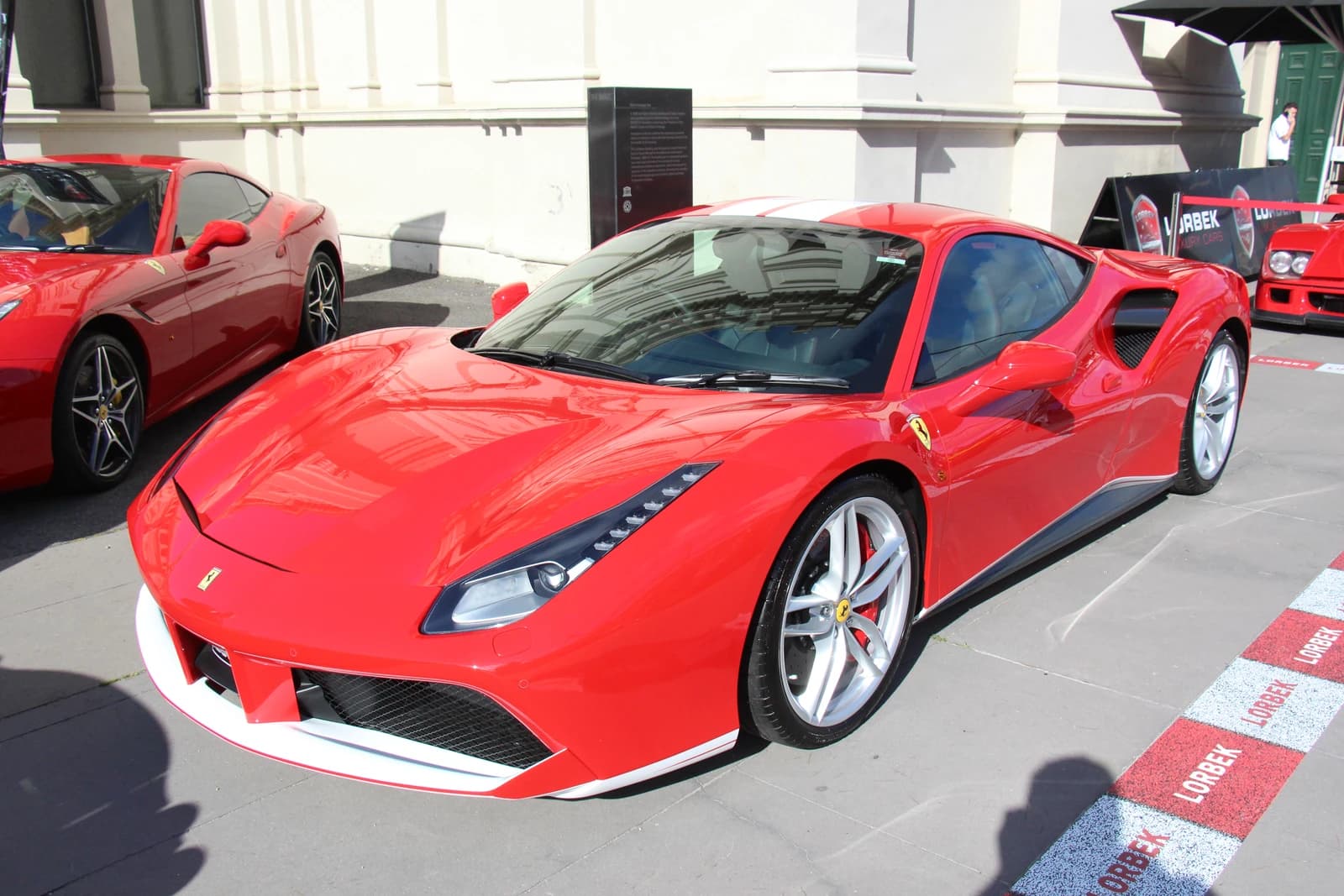
Ferrari used a high-profile showcase in Delhi to underline that India is no longer a marginal stop for the supercar maker, with more than 22,000 visitors turning out for its Universo Ferrari event and the company confirming plans for two new dealerships by the end of 2026.
Ferrari Plans Two New India Dealerships by 2026
The scale of attendance matters because it points to a deepening appetite for ultra-luxury cars in a market still better known for mass-market vehicles and motorcycles. Ferrari’s ability to attract collectors, owners, students and affluent enthusiasts to Yashobhoomi in a two-week exhibition suggests the brand sees enough demand, and enough room for growth, to invest in a broader retail footprint rather than treating India as a prestige-only outpost.
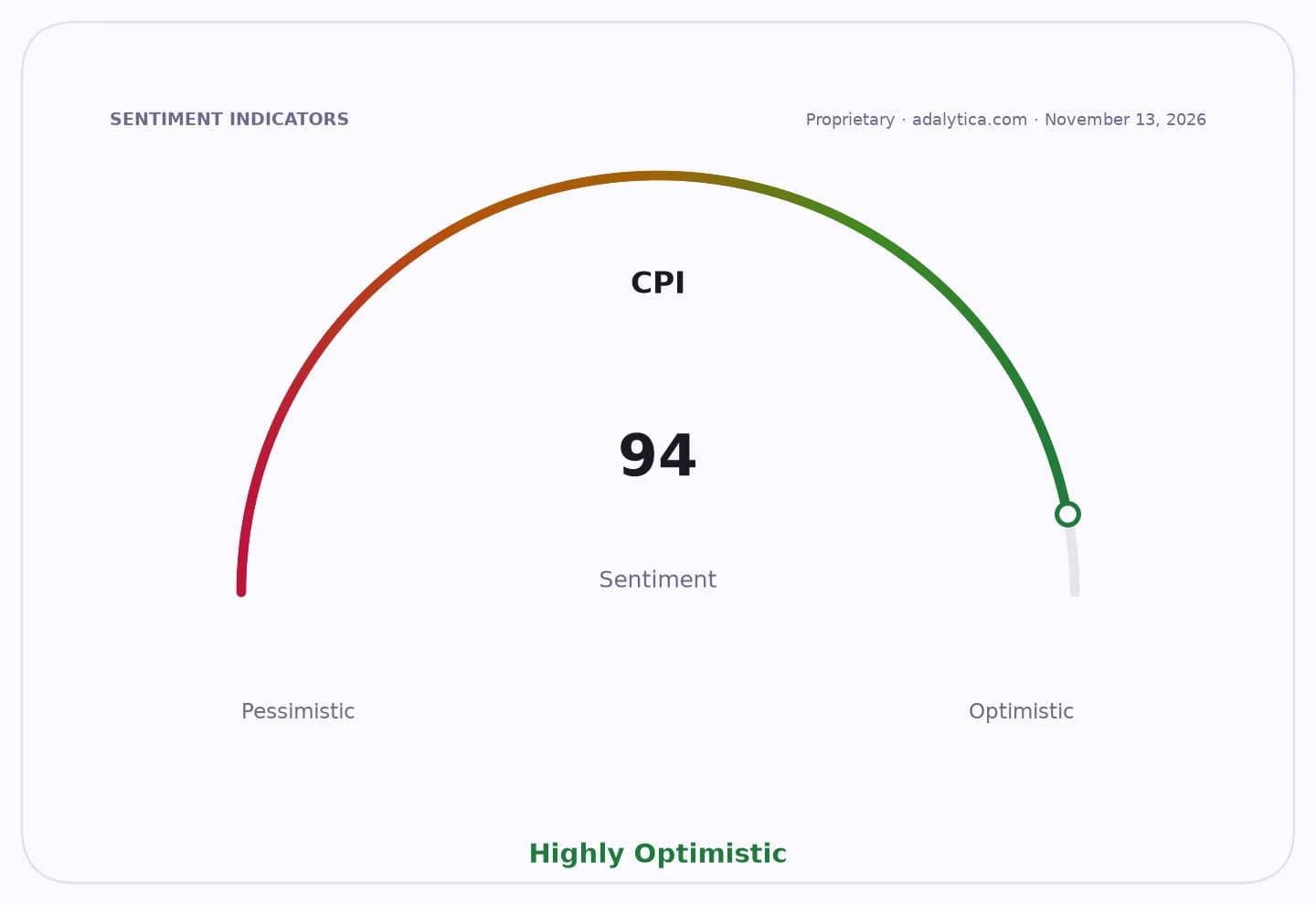
Sentiment Indicators
That strategy comes at a time when India’s auto market remains one of the more resilient pockets of consumer demand. Broader industry data show continued growth in October across passenger cars and two-wheelers, while premium and electric offerings are also gaining traction. Ferrari’s timing is notable: it is positioning itself around a market where rising disposable income, expanding luxury consumption and a growing class of high-net-worth buyers are increasingly supporting imported, low-volume marques.
The Delhi event also served a commercial purpose beyond brand theatre. Ferrari showcased its new F80, the 849 Testarossa Spider and its first all-electric model, Luce, alongside race cars including the SF-26 Formula 1 machine and the 499P Hypercar. That mix is important for investors because it shows Ferrari is trying to sell not just nostalgia and exclusivity, but also future technology. The launch of its first EV is a key marker for a company whose valuation has long rested on pricing power, scarcity and brand equity rather than volume.
India is a small market for Ferrari in absolute terms, but it can still matter strategically. Luxury auto sales often scale through visibility, service access and community building rather than mass advertising. A 1,800-kilometre convoy from Mumbai to Delhi, student seminars on design and innovation, and a charity auction all help reinforce the brand’s cultural cachet while building a pipeline of future customers. For Ferrari, that is especially relevant in a market where aspirational buyers can take years to convert into owners.
For investors, the key question is whether the India push is simply a branding exercise or the start of a more durable contribution to revenue and margin. The bull case is that Ferrari is widening its geographic reach in a market with structural wealth creation and relatively little direct competition at the top end. The bear case is that India will remain a niche market, constrained by high import duties, limited infrastructure for exotic cars and a customer base too small to move the needle on group earnings.
Either way, the event reinforces Ferrari’s broader investment case: a company that can generate demand far above its unit count by turning product launches, motorsport heritage and scarcity into pricing power. The new dealerships in Chennai and Ahmedabad, together with its first EV and India-focused motorsport partnership, give investors a clearer signal that Ferrari is preparing for a longer runway in the country, even if the financial contribution remains modest near term.
| Entity | Gains | Losses |
|---|---|---|
| Ferrari | ▲Brand reach in India | ▼None immediately |
| Indian luxury buyers | ▲More access to Ferrari | ▼Higher exclusivity premium |
| Rival supercar makers | ▲Luxury auto category visibility | ▼Share of attention |
| Mass-market automakers | ▲Halo effect for auto demand | ▼No direct benefit |