A former Mumbai lightman turned rice exporter has bought his 15-year-old son a Rs 2.30 crore BMW M4 Competition for good marks, and the real story is not the car — it is the scale of wealth being created in India’s smaller industrial and trading hubs.
India rice exporter buys BMW M4 for son
For investors, that matters because consumption in India is no longer being driven only by metro salaries and legacy family offices. It is increasingly being powered by entrepreneurs who have built export businesses, mills and distribution networks far from the traditional financial centers. When a rice trader in rural West Bengal can comfortably spend more than Rs 2 crore on a supercar, it underscores how quickly wealth is filtering into discretionary spending, luxury imports and premium auto demand.
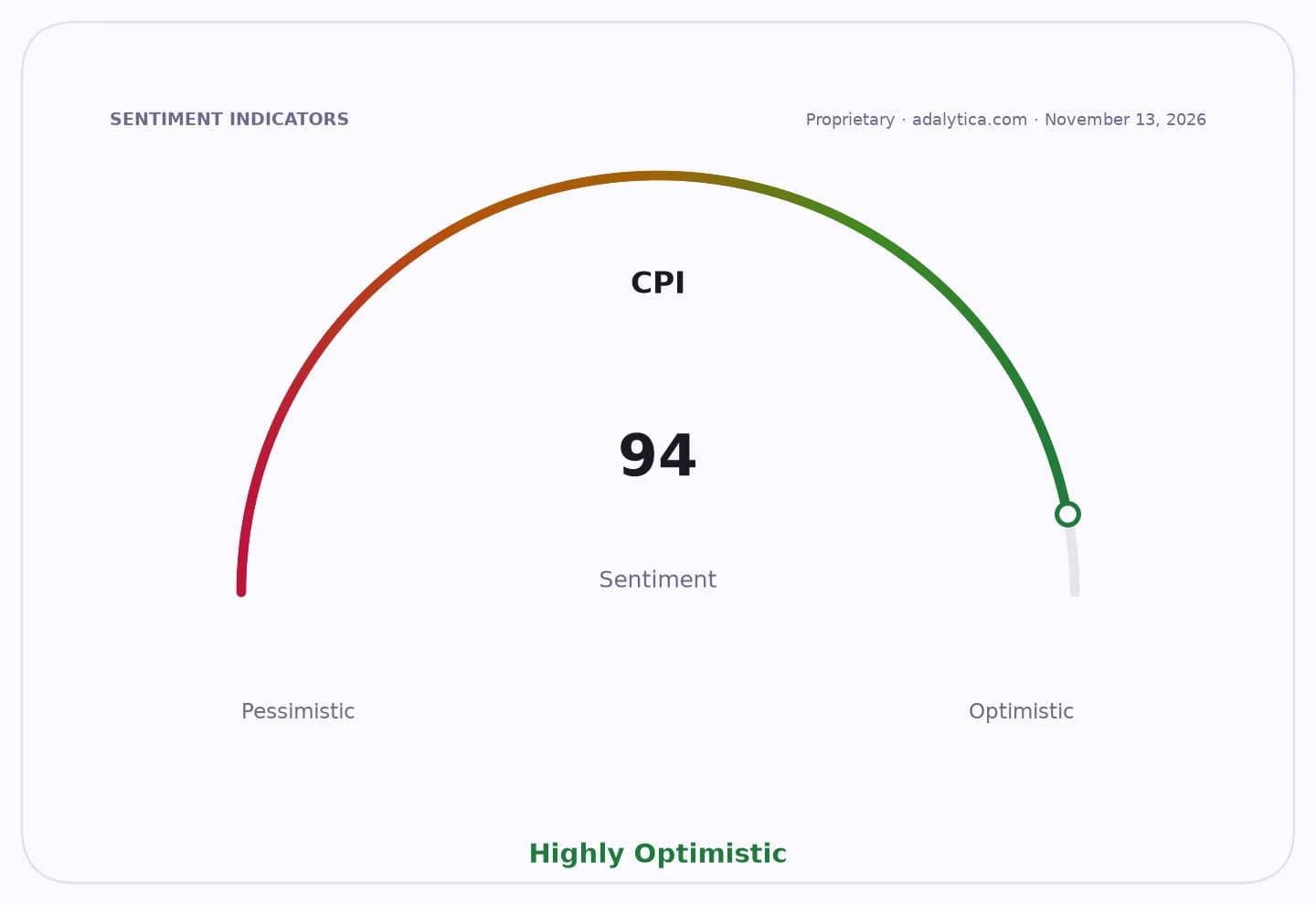
Sentiment Indicators
Shamsuddin Midya’s journey from a film-set lightman in Mumbai in 2003 to owning three rice mills and exporting to Vietnam, Malaysia, Singapore and Dubai is a reminder that India’s next wave of consumers is being minted by small business owners, not just salaried professionals. That shift is important economically because it broadens the base of demand for everything from premium automobiles to real estate, education, hospitality and branded goods.
The choice of a BMW M4 Competition also says something about aspiration. Luxury cars are not just status symbols; they are a sign that consumers are willing to spend on high-ticket discretionary items even when younger family members cannot yet legally drive. That kind of confidence usually appears when business owners feel their balance sheets are strong enough to absorb a conspicuous purchase without threatening the core enterprise.
It also highlights the resilience of India’s import-heavy luxury market. Supercars and premium vehicles remain a niche, but the audience is widening as export earnings and domestic entrepreneurship compound. For global automakers, that is a long-term opportunity. For investors in consumer-facing businesses, the bigger message is that India’s premiumization story still has years to run.
The risk, of course, is that this is still a tiny slice of the economy. A single splashy gift does not make a market. But these stories matter because they reveal behavior before it shows up fully in quarterly numbers. They point to a class of business owners whose spending power can support premium brands, dealer networks and financing ecosystems over time.
For long-term investors, the takeaway is simple: follow the rising household balance sheets in India’s trade and manufacturing economy, not just the headlines from the big cities. That is where the next durable wave of discretionary demand is likely to come from, and it is worth watching.
| Entity | Gains | Losses |
|---|---|---|
| Midya family | ▲Prestige and lifestyle upgrade | ▼Liquidity tied up in a luxury asset |
| BMW | ▲High-value sale and brand visibility | ▼None material |
| India’s luxury auto dealers | ▲Premium-demand validation | ▼Buyers of mass-market cars |
| Small-town exporters | ▲Confidence boost for premium spending | ▼Firms with tighter margins |