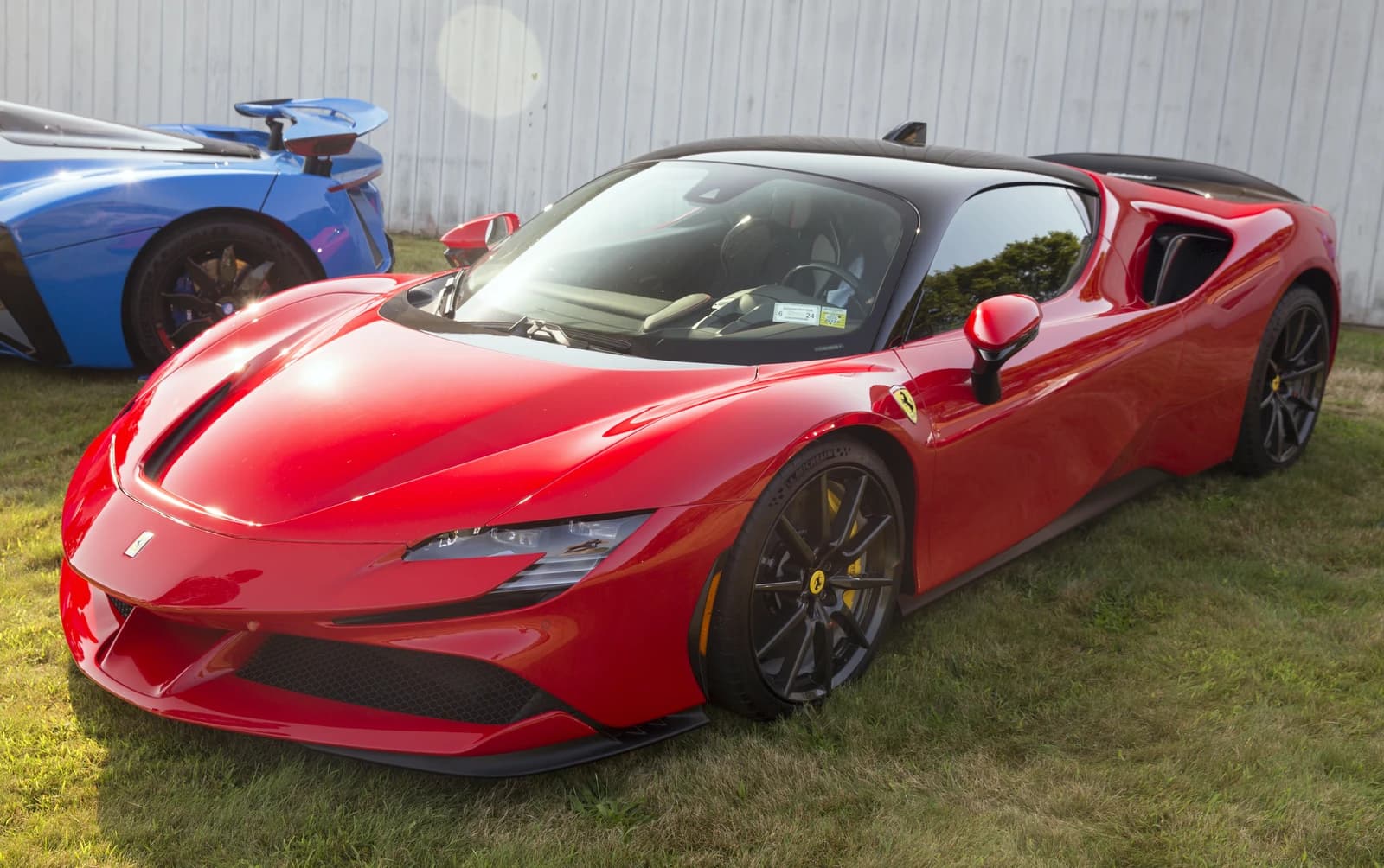
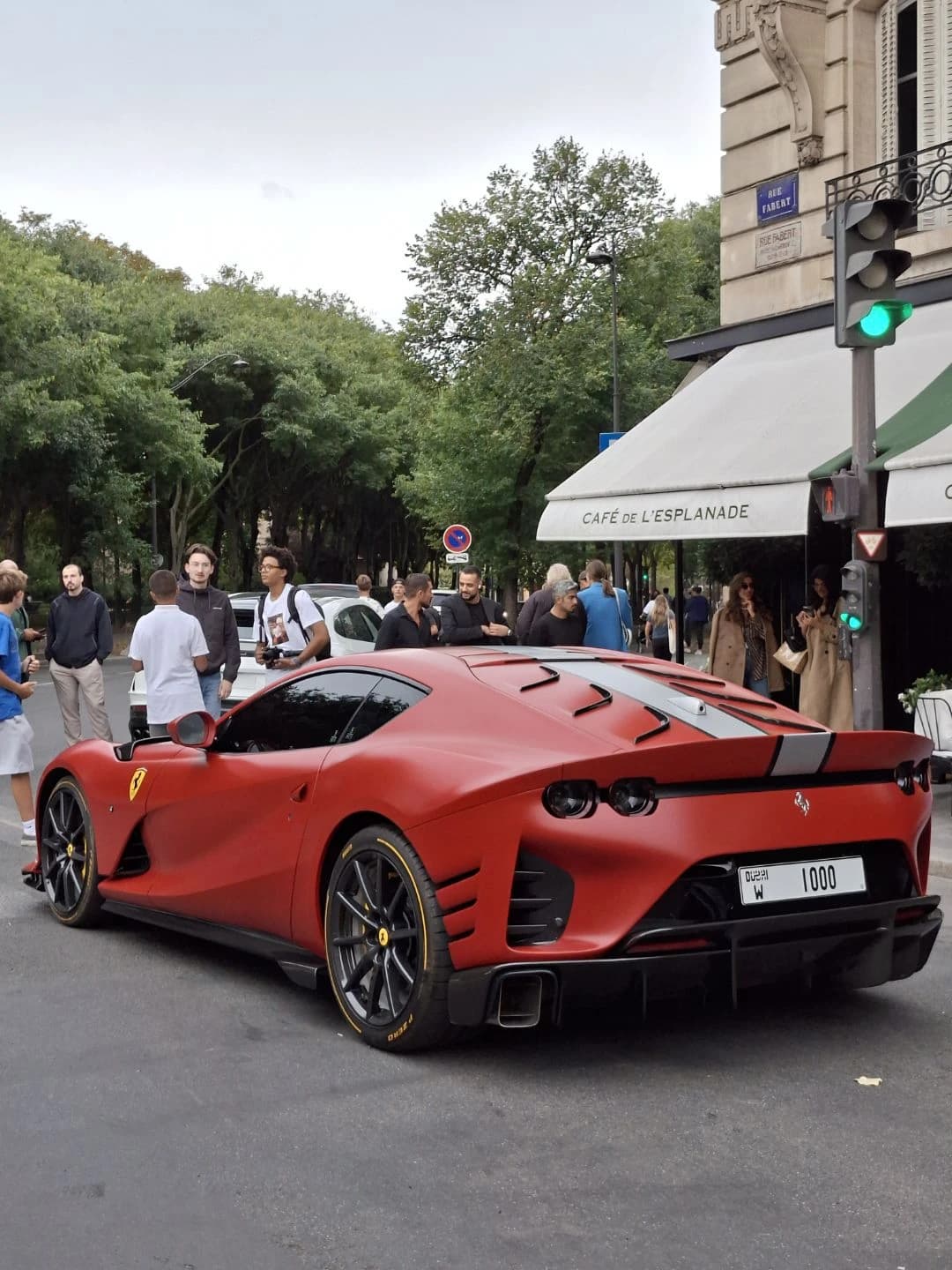
Ferrari is preparing to allocate more supercars to India as registrations accelerate and expectations of lower import duties under the India-European Union trade deal pull more wealthy buyers into its showrooms.
Ferrari to raise India allocations as demand rises
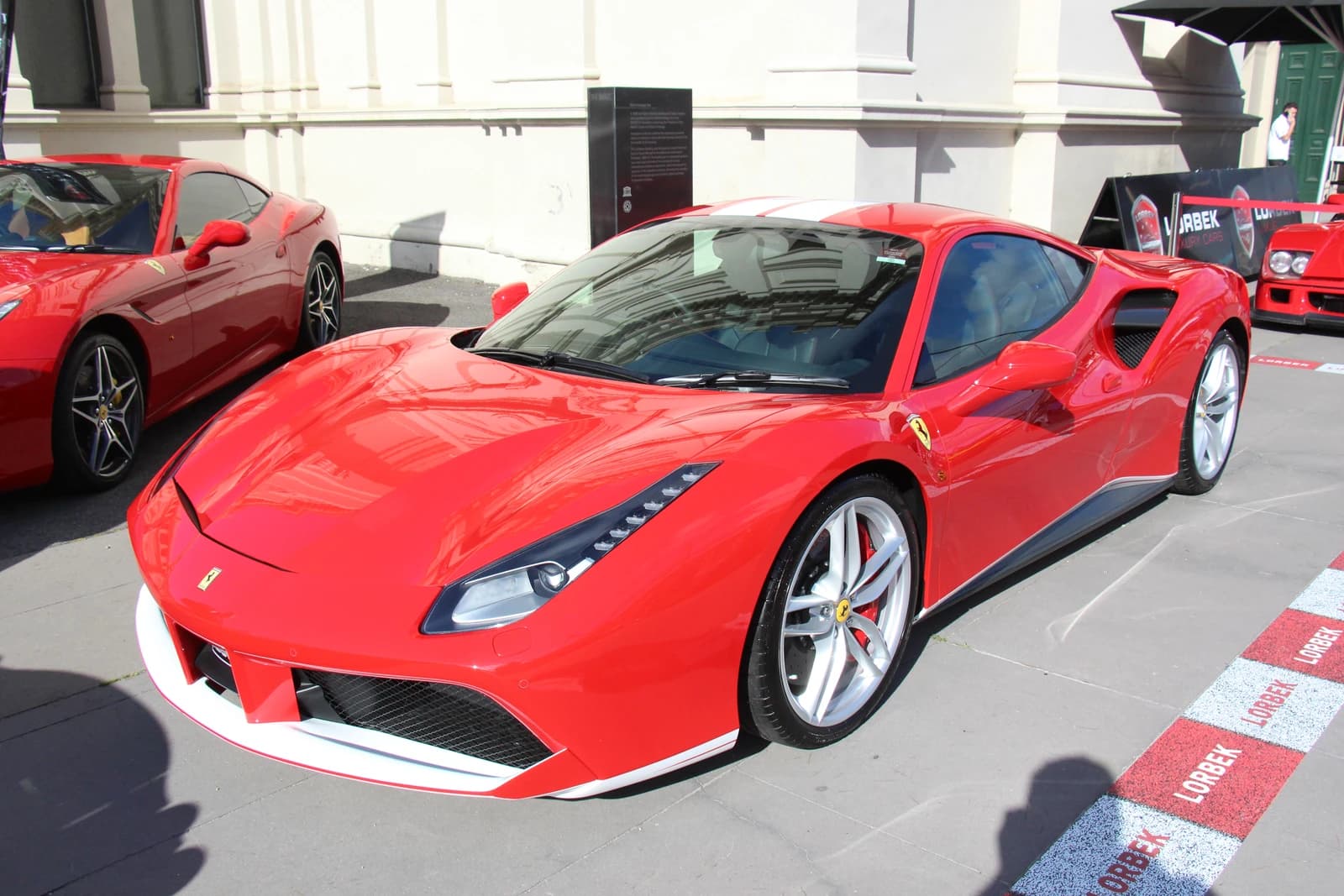
That matters because Ferrari’s model depends on scarcity as much as demand: the company typically rationed supply to protect pricing and exclusivity, so a willingness to raise India allocations signals a market that is becoming large enough to justify more product. For investors, it points to another growth pocket for Ferrari even as global sales were nearly flat last year, and it highlights how tariff reform could reshape the economics of luxury car imports in one of the world’s fastest-growing premium markets.
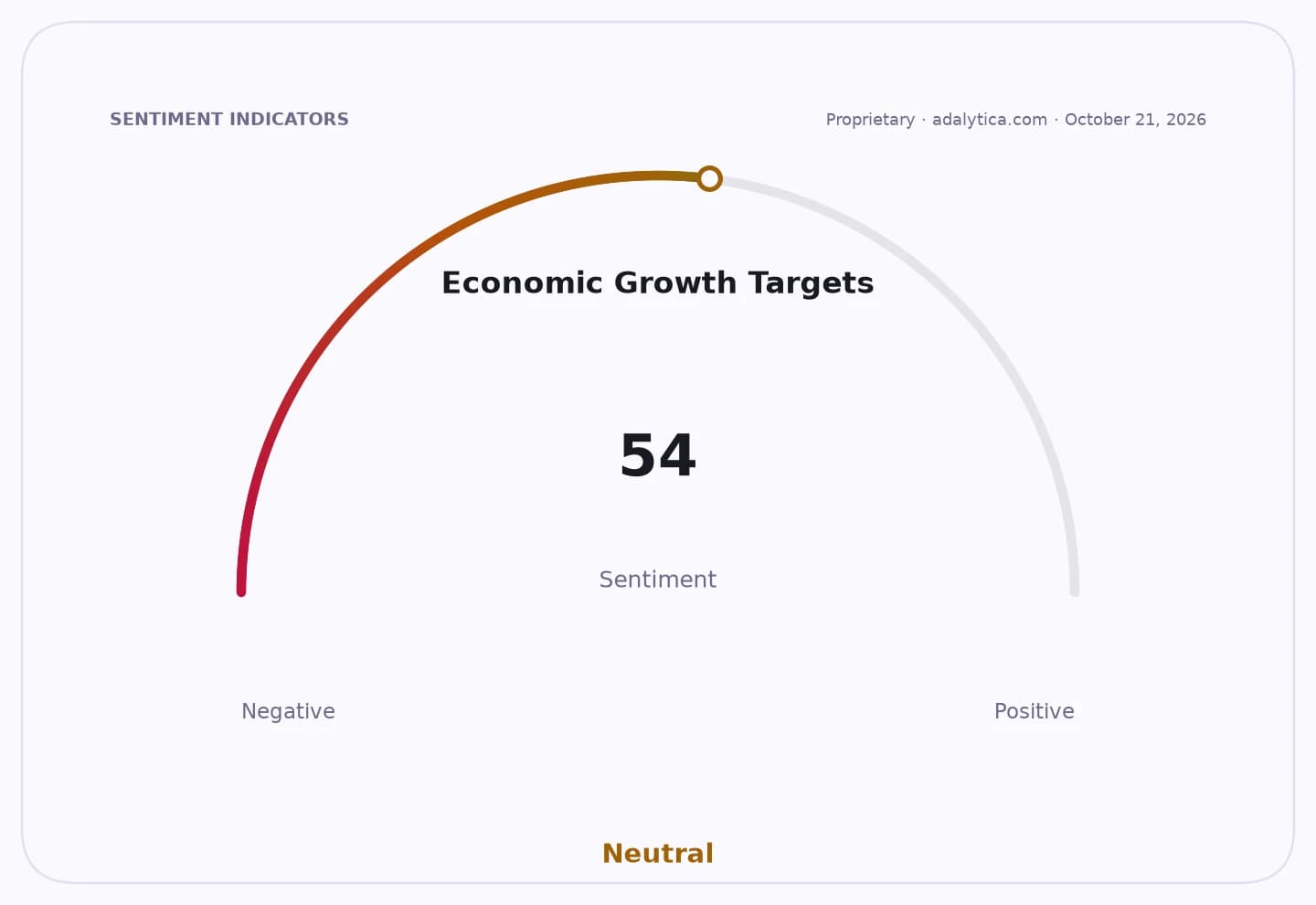
Sentiment IndicatorsⓘProprietary · adalytica.com · October 23, 2026
This is a snapshot — live sentiment, awareness and momentum for 130+ markets update continuously in the dashboard.Open AlphaPulse
India registrations for Ferrari rose 28.6% to 45 units in 2025 from 35 the year before, according to Vahan data, and hit 45 units again in just the first nine months of 2026. That means the company has already matched its prior full-year tally before year-end, despite subdued global growth.
Francesco Bianchi, Ferrari’s Far and Middle East president, said the company would “grant more volume to India” as demand rises, speaking at the Universo Ferrari India event. He said Ferrari’s business model remains demand-driven, with allocations set market by market depending on what the company can produce.
The timing is important. India and the European Union concluded FTA negotiations in January, and the pact, once implemented, is expected to reduce customs duties on eligible EU-built cars imported as completely built units within quota limits. For petrol, diesel and non-plug-in hybrids above €15,000 in import value, duties within quota would start at 30% to 35% and fall to 10% by year five. Even before any legal change, Bianchi said prospective buyers were already expecting a more affordable pricing environment from 2027.
For Ferrari, that could widen the addressable market without forcing a full-scale volume strategy. The company is still selling into the top end of the market, but lower duties would ease one of the main constraints on Indian demand: the cost of bringing in a supercar built in Europe. That could help offset weakness elsewhere, especially if the brand can preserve margins while shifting more units into a market with improving appetite for luxury goods.
Ferrari is also backing the demand with more physical presence. It currently has showroom and service operations in New Delhi, Mumbai and Bengaluru, and plans to add Ahmedabad and Chennai by the end of 2026. Bianchi said visitors are already enquiring about models including the 12Cilindri, Purosangue and Amalfi, underscoring that India’s customer base is broadening beyond pure brand aspiration toward actual purchase intent.
The company has reorganized the region as well, moving India into its Southeast Asia and India structure and assigning a dedicated executive to sales and marketing. That suggests Ferrari sees the market as strategic rather than peripheral.
The bull case is straightforward: India is still tiny in absolute volume, but it is growing fast from a low base, tariffs may soon fall, and Ferrari can expand selectively without abandoning exclusivity. The bear case is that the trade deal is not yet in force, quota limits may cap the benefit, and the eventual pricing response will depend on Ferrari’s own discipline. Still, the direction of travel is clear: India is becoming a more material contributor to Ferrari’s next phase of growth.
| Entity | Gains | Losses |
|---|---|---|
| Ferrari | ▲Higher India sales potential | ▼Scarcity if volumes rise too fast |
| Indian luxury buyers | ▲Better access to Ferrari models | ▼Little near-term benefit if tariffs stay high |
| EU-origin carmakers | ▲Easier market entry in India | ▼More pressure to compete on price |
| Local luxury dealers | ▲More showroom traffic | ▼Imported rivals may intensify competition |