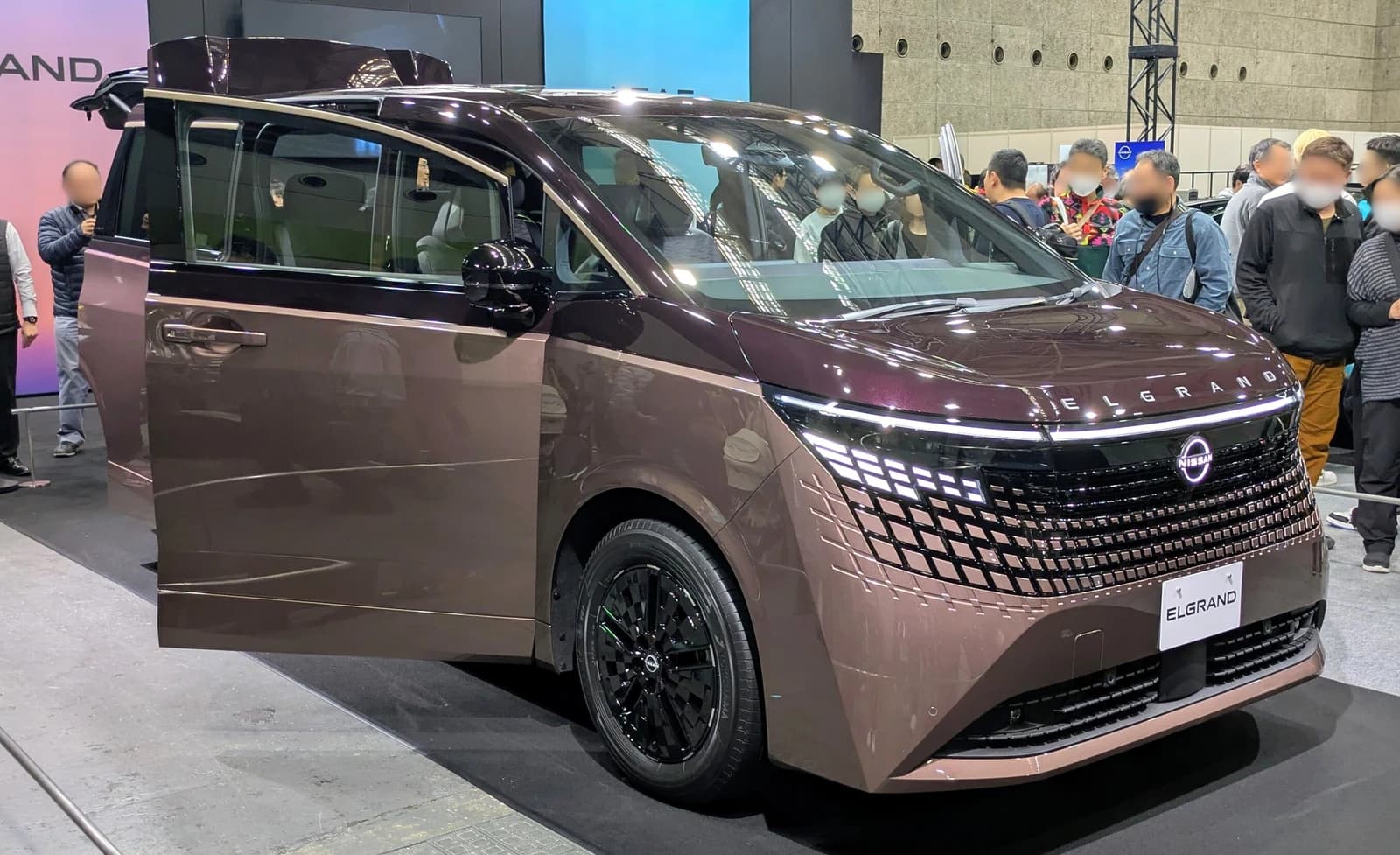
Toyota has overtaken BMW, Mercedes-Benz, Tesla, Ford and General Motors to emerge as the world’s most profitable automaker, a reminder that scale, hybrids and disciplined pricing still matter more than pure electric hype in the global car business.
Toyota Tops Auto Profit Ranking
The ranking matters because automotive profits are increasingly being decided by product mix, supply-chain resilience and regional demand swings, not just unit sales. For investors, it puts Toyota’s cash generation and margin durability in sharper focus just as competitors face uneven demand, softer pricing and heavier spending on electrification.
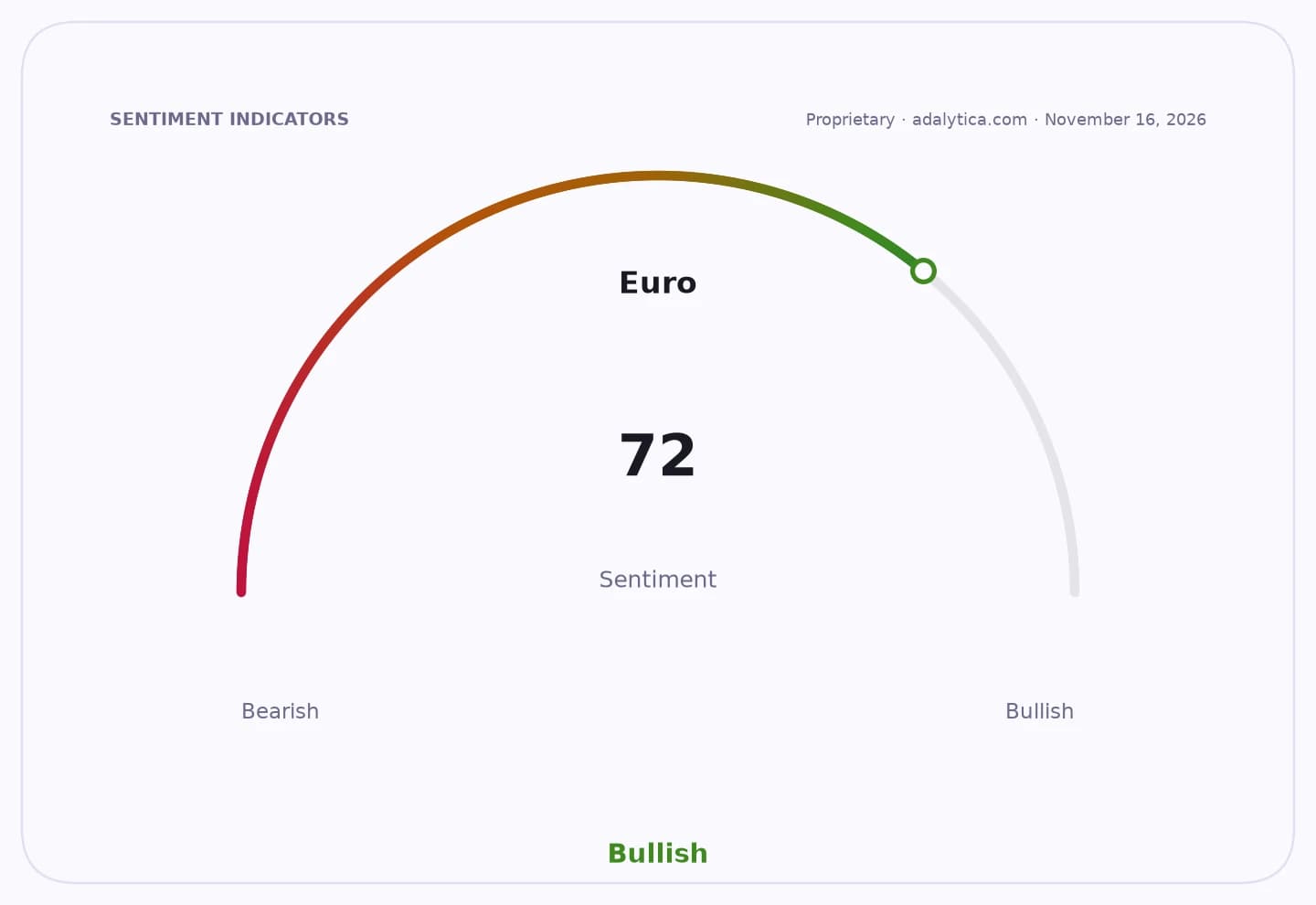
Sentiment Indicators
The Japanese group’s lead comes as India’s auto market posted a record festive-season haul of more than 55.25 lakh vehicles over 42 days, with electric vehicle sales jumping 53% to more than 5 lakh units. That shows how fast the market is shifting toward greener mobility, but it also underscores that the biggest gains are still being captured by companies with broad lineups and the ability to profit from hybrids, not just battery EVs.
The contrast is visible in share performance. Toyota Motor shares have climbed to 212.17 yen, up from 186.72 yen in late September, while Tesla stock has swung sharply, closing at $385.46 on Nov. 23 after dipping to $345.82 two days earlier. Ford and General Motors have also been range-bound, with Ford at $11.65 and GM at $81.64, reflecting pressure on legacy automakers to defend margins while funding the transition.
Technical readings point to a market that is still digesting the move. Toyota is trading above its 50-day and 200-day moving averages, with RSI at 67.4, while Tesla’s RSI is 46.9 and Ford’s sits at 38.4, suggesting far less momentum in the U.S. names. The S&P 500 trade signals from Adalytica.com show extreme fear even as market awareness remains high, a backdrop that usually favors companies with dependable earnings power.
For investors, the takeaway is straightforward: the auto profit race is no longer being won by the loudest EV story, but by the most efficient industrial franchise. Toyota’s lead could keep drawing capital toward traditional automakers with stronger balance sheets and better pricing power, while leaving rivals under pressure to prove their EV investments can match profitability.
The next test is whether India’s EV surge broadens beyond the festive season and whether U.S. and European automakers can stabilize margins into year-end. Any further slowdown in demand, or another round of heavy discounting, would widen the gap between the industry’s most profitable incumbent and the rest of the pack.
| Entity | Gains | Losses |
|---|---|---|
| Toyota | ▲Profit leadership | ▼EV-only narrative |
| Tesla | ▲EV demand growth | ▼Margin and valuation pressure |
| Ford / GM | ▲Hybrid and cash discipline focus | ▼Profit ranking and pricing power |
| Indian EV buyers | ▲More model choice | ▼Legacy ICE dominance |