Ferrari’s new F80 has sold out almost immediately at around 550,000 euros each, underscoring that the top end of the luxury-car market remains remarkably resilient even as broader auto demand softens.
Ferrari F80 sells out at 550,000 euros
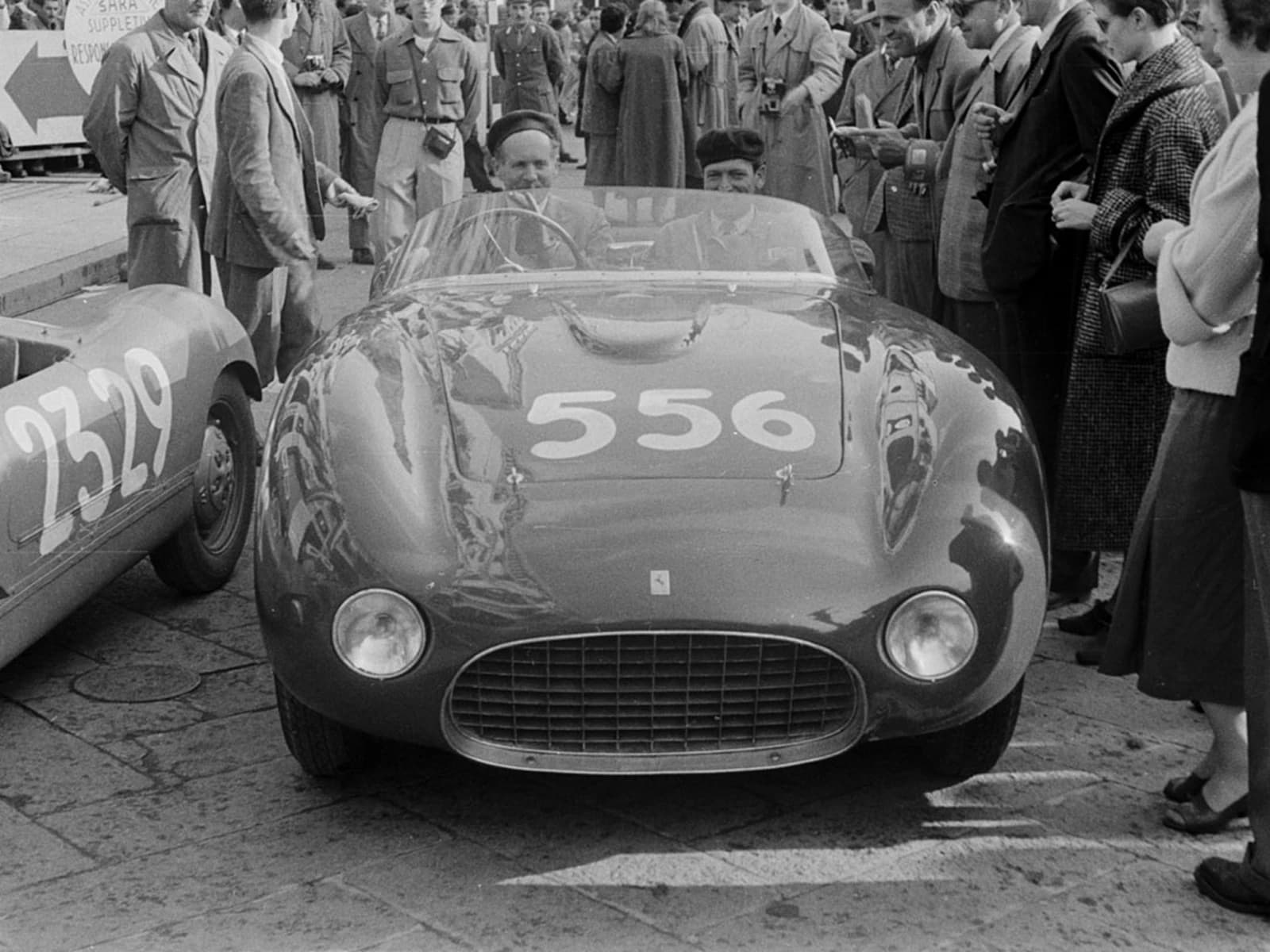
The reaction matters because Ferrari’s business model depends less on volume than on scarcity, pricing power and brand control. A flagship model dismissed by some critics as overpriced has instead proved there is still deep demand among wealthy buyers for collectible, low-volume performance cars. That supports Ferrari’s ability to protect margins at a time when mass-market automakers are contending with weaker consumer confidence, higher financing costs and an uneven global economy.
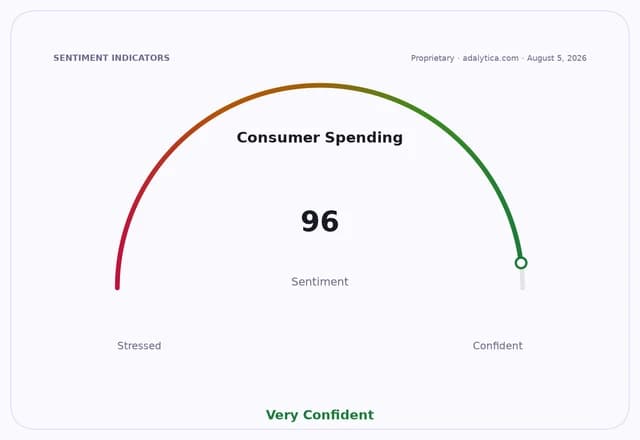
Sentiment IndicatorsⓘProprietary · adalytica.com · August 5, 2026
This is a snapshot — live sentiment, awareness and momentum for 130+ markets update continuously in the dashboard.Open AlphaPulse
For investors, the sellout reinforces the case that Ferrari is not simply a carmaker but a luxury asset platform with automotive underpinnings. The company’s appeal lies in its ability to turn exclusivity into recurring pricing power, keeping order books tight and resale values elevated. That is a very different proposition from peers such as Tesla, where recent price weakness has reflected harsher competition and a more cyclical demand backdrop. Porsche, meanwhile, has also shown that premium badges can command premium pricing, but Ferrari remains in a league of its own because it deliberately limits supply and leans into desirability rather than scale.
The timing is also notable. Broader market gauges show investors still comfortable owning expensive growth and quality names, while consumer spending sentiment remains strong in the luxury tier even if confidence elsewhere is choppier. That split helps explain why a supercar at 550,000 euros can sell out quickly while mainstream carmakers continue to fight for buyers with incentives and discounts.
Ferrari’s latest launch suggests the company can keep pushing average selling prices higher without sacrificing demand, a crucial support for earnings and free cash flow. The bear case is that the market for ultra-expensive toys is narrower than it looks and could cool if wealth effects fade or financial markets turn. But for now, the F80’s instant sellout argues that Ferrari’s scarcity model is still working exactly as intended.
| Entity | Gains | Losses |
|---|---|---|
| Ferrari | ▲Pricing power | ▼Critics of overvaluation |
| Ultra-wealthy buyers | ▲Exclusivity | ▼Bargain hunters |
| Ferrari shareholders | ▲Margin support | ▼Short sellers |
| Mass-market automakers | ▲— | ▼Attention and pricing power |