Ferrari and Pirelli used New Delhi this week to underline a wider bet: that India’s still-nascent luxury car market and broader premium consumer base will become a bigger profit pool for Italian industrial brands over the next decade.
Ferrari and Pirelli expand India premium push
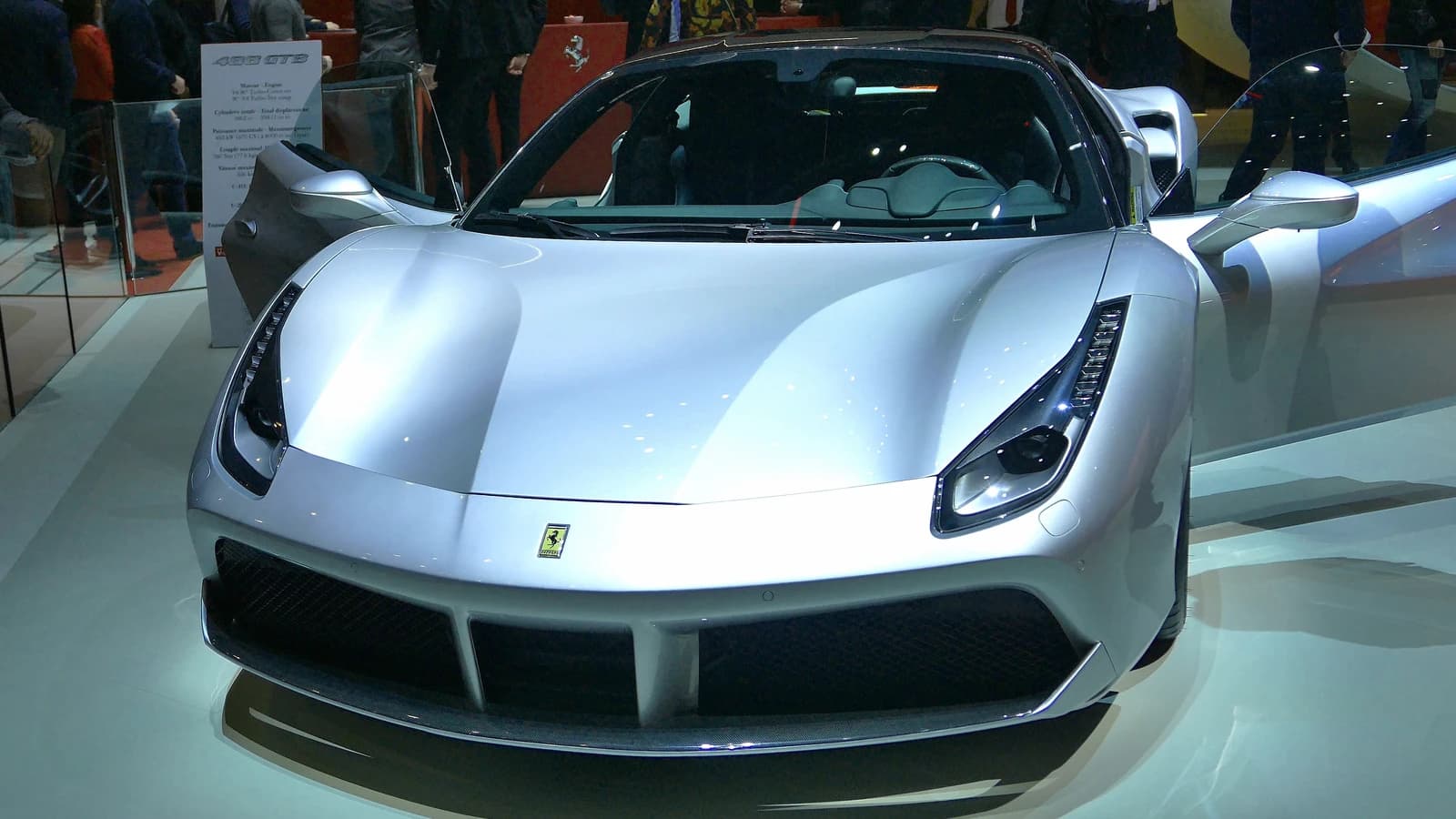
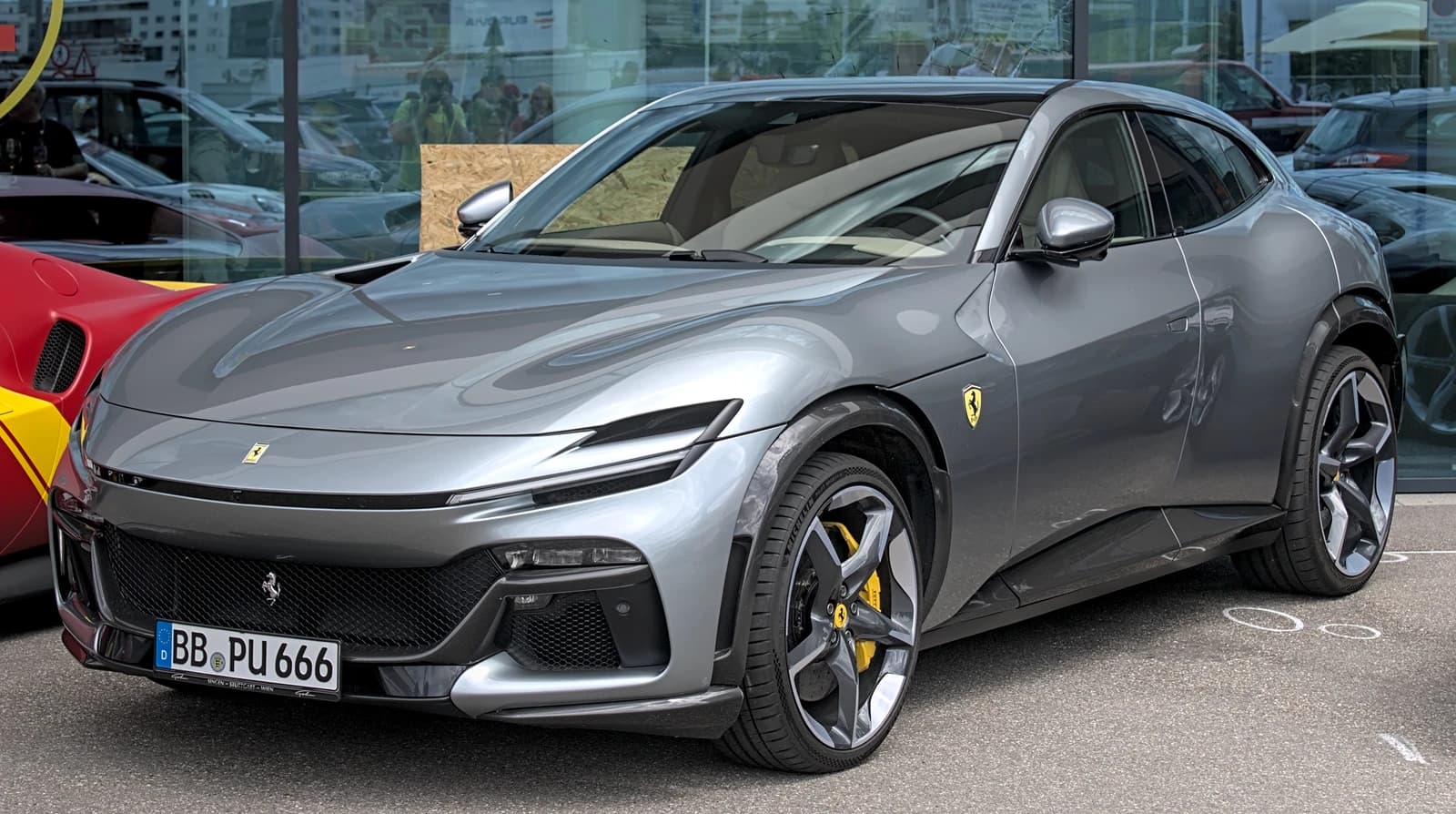
The immediate commercial significance is less about a single event than about positioning. Ferrari chief executive Benedetto Vigna and Pirelli executive chairman Marco Tronchetti Provera appeared together in India as Pirelli prepared to unveil The Cal 2027 in the capital and after Ferrari formally opened the first Indian edition of Universo Ferrari. Their message was clear: Italy’s best-known performance and design names want to be seen not as exporters of heritage alone, but as long-term participants in one of the world’s largest growth markets.
Sentiment Indicators
That matters economically because India is still early in its premiumization cycle. With a population of about 1.5 billion and a consumer base expanding faster than many developed markets, it offers foreign luxury groups scope to deepen brand loyalty before the market matures. For Ferrari, India is a place to cultivate exclusivity, expand visibility and support future demand for highly customized cars. For Pirelli, the market offers both brand reinforcement and a way to link premium tires to high-end automotive demand as India’s affluent car buyers expand.
Tronchetti framed the partnership in national terms, saying Ferrari and Pirelli together in India show that “when we work together, we do things well and beautiful things.” Beneath the symbolism is a strategic logic that investors should not miss: Italian companies with strong global brands are increasingly using India not just as a sales destination, but as a stage for brand-building, customer acquisition and long-duration growth optionality.
The timing is also notable. India’s industrial growth slowed to 6.7% in September, suggesting the economy is cooling from earlier momentum even as it remains one of the faster-growing large markets. That makes premium segments especially important: even when broad manufacturing data softens, high-income consumption can keep attracting international capital and marketing investment. In that sense, Ferrari and Pirelli are not chasing volume; they are chasing margin, brand equity and scarcity value.
For Ferrari investors, the India push reinforces a bull case built on pricing power and global reach. The stock has been volatile in recent months, and standard technical indicators on the shares show momentum has cooled from August’s highs, with the price now below its 50-day moving average. But the strategic narrative remains supportive: Ferrari’s rarity model depends on cultivating aspirational demand in markets that can absorb ultra-high-end products without diluting exclusivity.
The bear case is that India remains a long-dated opportunity rather than an immediate earnings driver. Luxury auto penetration is still limited, regulatory and import frictions remain material, and the payoff from brand events can be slow to show up in financial results. Pirelli faces a similar equation: the upside is in premium positioning and partner ties, not in near-term unit growth.
Still, the broader message from New Delhi is that Italian premium brands are treating India as a future profit center, not a peripheral market. As domestic wealth rises and premium auto demand deepens, investors will watch whether this symbolic alliance turns into measurable sales, stronger margins and a bigger share of one of the world’s most attractive growth stories.
| Entity | Gains | Losses |
|---|---|---|
| Ferrari | ▲Brand reach in India | ▼Near-term sales visibility |
| Pirelli | ▲Premium positioning | ▼Dependence on long-cycle demand |
| Italy’s luxury exporters | ▲Future market access | ▼Short-term execution risk |
| Rival premium brands | ▲— | ▼Attention and mindshare |