Ferrari’s latest flagship grand tourer is leaning into one of the carmaker’s oldest emotional selling points — driver engagement — while quietly making it easier to use, a combination that helps explain why the company can keep pricing power in a softer sports-car market.
Ferrari’s 12Cilindri Reinforces Pricing Power
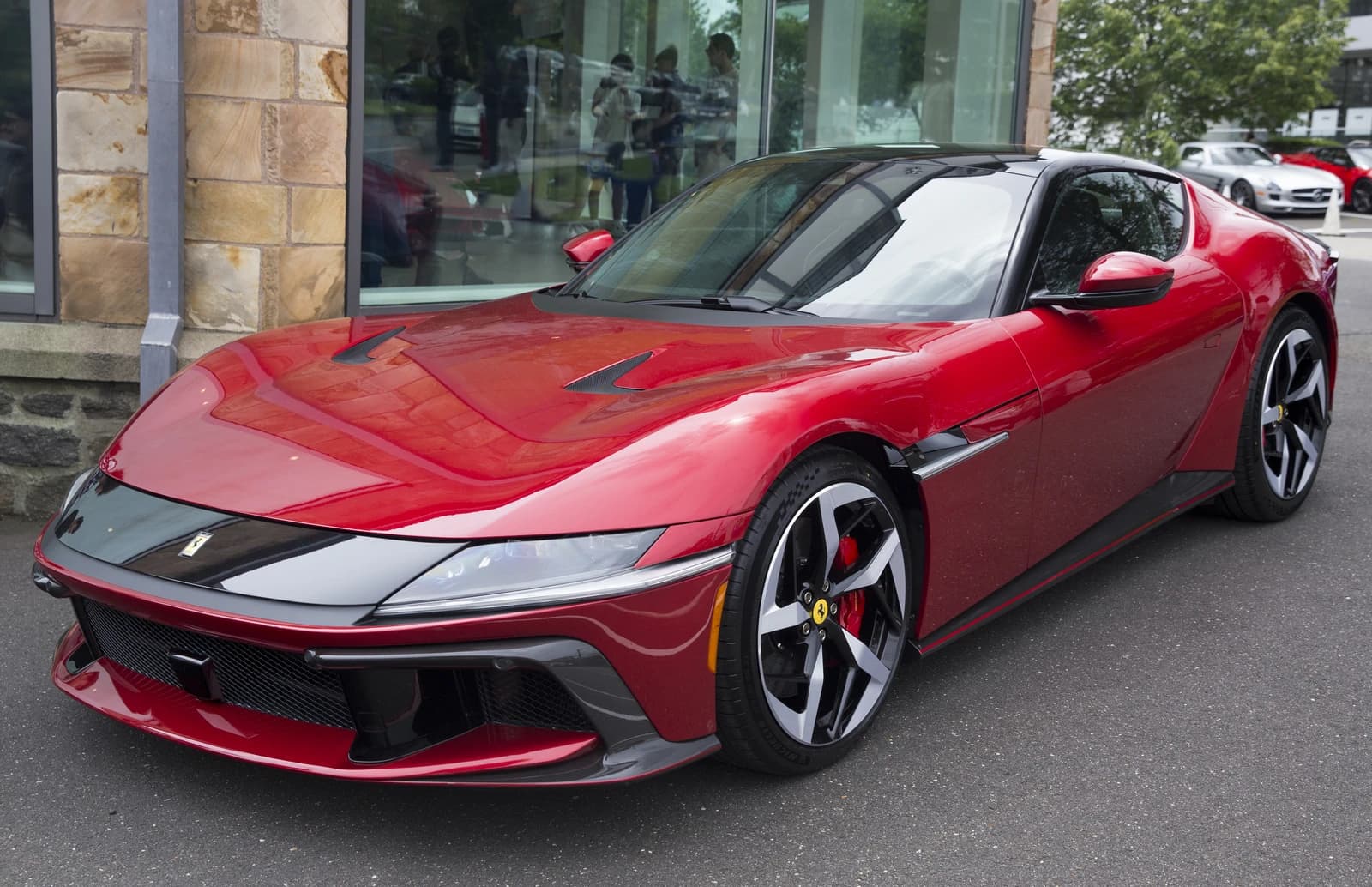
The 12Cilindri’s debut transmission setup matters because it captures the balance Ferrari is trying to strike for wealthy buyers: preserve the sensation of a traditional performance car even as regulations, traffic realities and customer expectations push the industry toward automation. In practice, that means Ferrari is not selling nostalgia; it is monetising it. For investors, that is the core of the story. Brands able to make convenience feel like authenticity tend to defend margins better than peers selling either pure comfort or pure track-day purism.
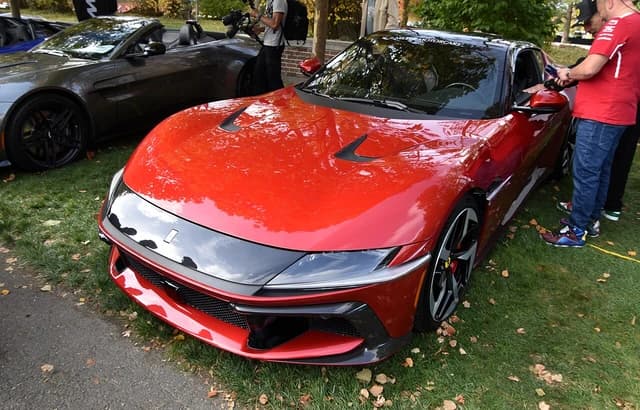
Ferrari shares have reflected that resilience. The stock closed at $376.83 on July 17, up from $346.56 on June 10 and well above its 200-day moving average of about $364.78, a sign the market is still willing to pay up for the company’s mix of scarcity, design and brand heat. The 50-day moving average at $354.39 also sits below the current price, and the stock’s RSI reading of 56.1 suggests momentum is positive without looking stretched. That matters because Ferrari’s equity case depends less on volume growth than on the durability of its pricing power and order book.
The 12Cilindri’s transmission strategy also fits Ferrari’s broader corporate logic. Ultra-luxury buyers are not like mainstream consumers migrating to EVs or two-pedal convenience out of necessity; they are paying for identity. Ferrari can therefore use automatic systems to broaden usability without diluting exclusivity, especially if the car still delivers a mechanical feel through calibration, sound and steering response. That gives the company room to protect average selling prices, maintain waiting lists and avoid the margin compression that often hits premium manufacturers when they chase a wider audience.
There is, however, a bear case. Purists may see the move as evidence that even Ferrari must compromise with modern driving habits. If the company leans too far toward ease of use, it risks blurring the distinction between itself and other high-end GT makers that also promise refinement. In a slowing global luxury cycle, any sign of brand dilution could matter more than usual. For now, though, Ferrari appears to be engineering the opposite outcome: making the manual feel relevant by packaging it inside an automatic-friendly product.
That is why the 12Cilindri launch matters beyond the model itself. It reinforces Ferrari’s central investment thesis — that emotional desirability can coexist with industrial pragmatism — and helps explain why the stock has held above key long-term technical levels. The next catalyst will be whether the company can sustain this pricing discipline through upcoming product cycles without ceding the very heritage that supports its valuation premium.
| Entity | Gains | Losses |
|---|---|---|
| Ferrari | ▲Stronger pricing power | ▼Purist criticism |
| Ferrari shareholders | ▲Margin durability | ▼Valuation risk if brand slips |
| Wealthy buyers | ▲Easier daily usability | ▼Less manual exclusivity |
| Rivals in luxury GTs | ▲Broader market validation | ▼Harder brand differentiation |