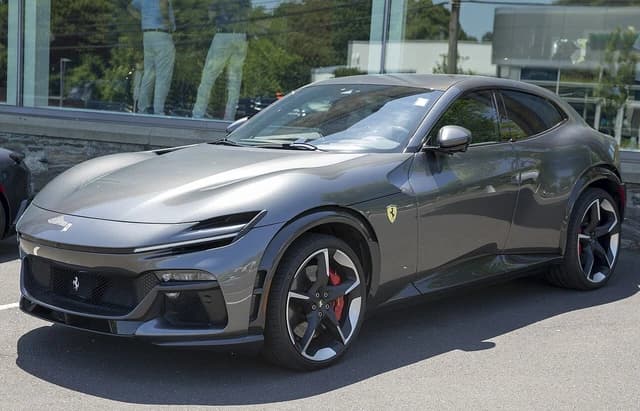
Ferrari’s decision to build just 10 special-edition Purosangue SUVs, all for American buyers, underlines the company’s core advantage: it can raise exclusivity without needing volume. For investors, that matters because Ferrari’s pricing power depends less on unit growth than on the brand’s ability to monetize scarcity, keep margins resilient and sustain order books even as the broader luxury cycle gets more uneven.
Ferrari Purosangue 10-unit U.S. edition lifts scarcity
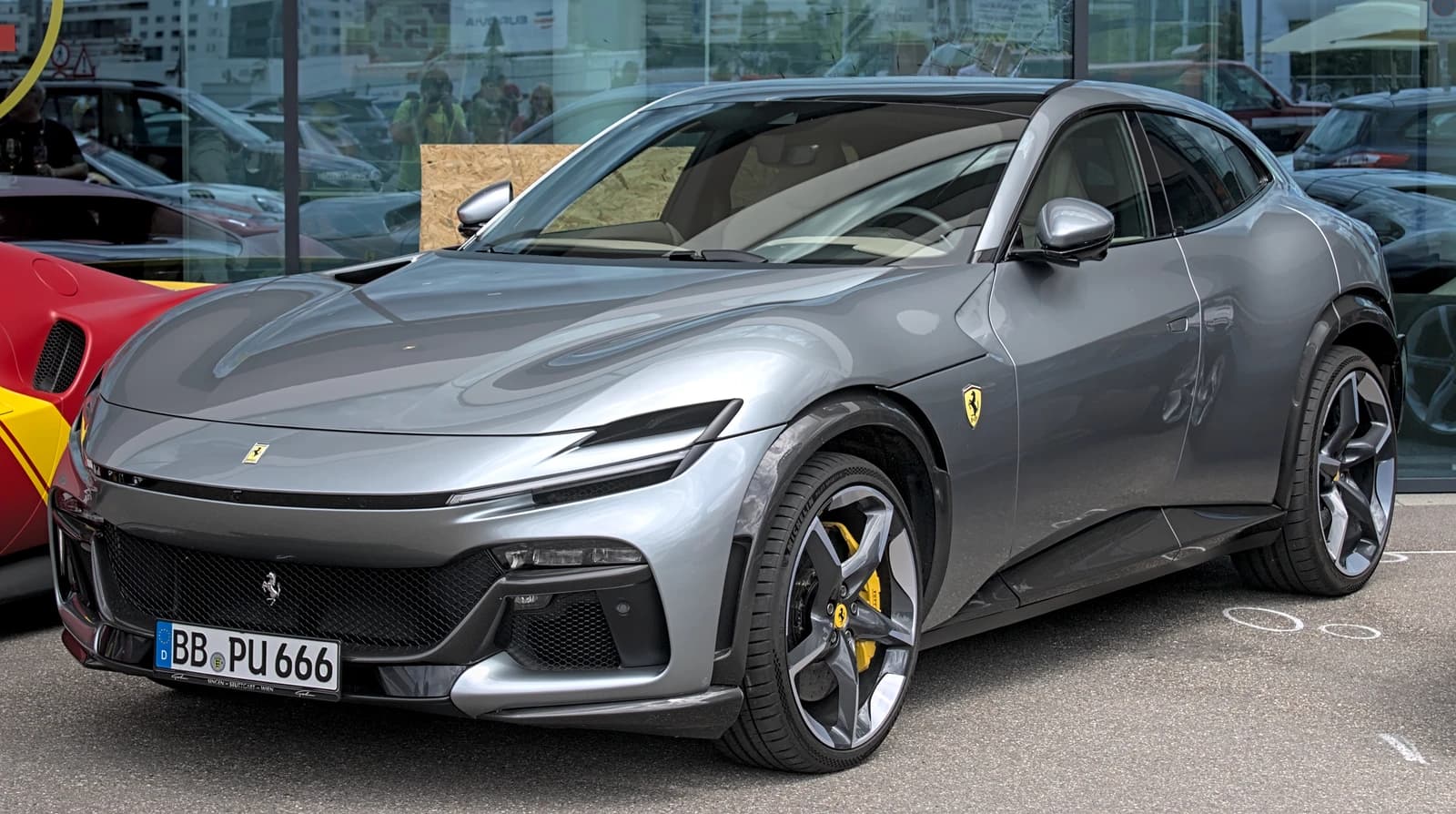
The new one-of-one collection is a marketing exercise, but it is also a reminder of how Ferrari supports earnings. Limited runs create incremental customization revenue, deepen collector demand and reinforce a waiting-list dynamic that insulates the company from the discounting pressures seen in mass-market auto makers. That is particularly important at a time when consumer-spending signals are softening: Adalytica’s Consumer Spending Sentiment snapshot is in “Fear” at 21, even as awareness remains elevated, suggesting buyers are becoming more selective overall.
Sentiment IndicatorsⓘProprietary · adalytica.com · August 3, 2026
This is a snapshot — live sentiment, awareness and momentum for 130+ markets update continuously in the dashboard.Open AlphaPulse
Ferrari’s shares have also been trading with a strong technical backdrop. The stock recently closed at $393.87, above both its 50-day and 200-day moving averages, while the RSI at 61.0 points to positive momentum without looking stretched. The move comes after a sharp recovery from a March low near $311, reflecting investor confidence that Ferrari’s order book can withstand a weaker spending environment better than most consumer brands.
That resilience is central to the bull case. Ferrari is not competing on affordability; it competes on access, identity and limited supply. A Purosangue collection restricted to 10 cars in the U.S. only sharpens that proposition, especially in a market where luxury buyers still show willingness to pay for rarity even as the rest of consumer demand cools. It also supports Ferrari’s push to keep its SUV, which has broadened the brand’s customer base, aligned with its ultra-premium image rather than mass-market utility.
The bear case is more about valuation and execution than demand. Ferrari already trades like a luxury asset, so incremental exclusivity may not translate into proportionate upside if investors worry about slower growth, a softer U.S. consumer or a premium multiple that leaves little room for disappointment. Still, the company’s ability to sell out production capacity ahead of time, including for future models, suggests its scarcity model remains intact.
For investors, the key takeaway is that Ferrari’s latest limited run is not just a collector’s item. It is evidence that the company can keep converting brand equity into economic value, even as spending sentiment turns more cautious and the auto sector faces heavier competition and tighter consumer budgets.
| Entity | Gains | Losses |
|---|---|---|
| Ferrari | ▲Higher pricing power | ▼None materially |
| U.S. collectors | ▲Greater exclusivity | ▼Less access |
| Ferrari shareholders | ▲Margin support | ▼Slower upside if valuation de-rates |
| Broader auto rivals | ▲None materially | ▼Benchmark pressure on luxury branding |