Oliver Bearman’s path to a Ferrari race seat just got harder, and that matters because Lewis Hamilton’s uptick in form is doing more than lifting the Scuderia’s immediate prospects — it is reshaping the team’s long-term driver picture and reinforcing the value of a squad that can turn raw pace into results.
Ferrari RACE Rises to Nearly $394 After Hamilton Uptick
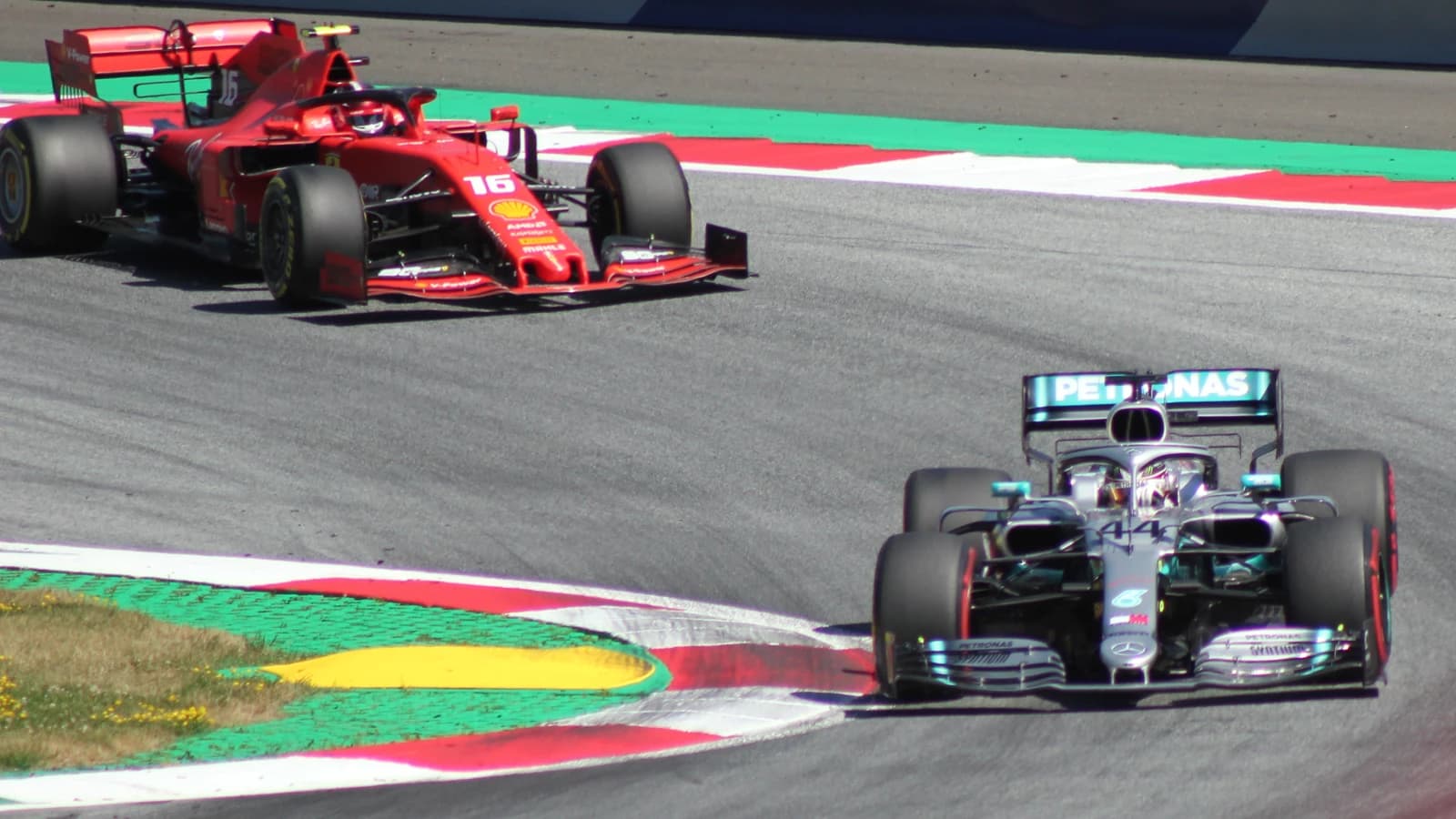
For investors, that is the real story behind the latest Ferrari Formula 1 noise. Ferrari is still one of the most powerful brand engines in global sport, and its F1 team remains a showcase for technology, sponsorship appeal and premium-market halo effects. When the car is quick but the execution is messy, as Hungary again showed, the market does not just see a missed podium; it sees the difference between promise and conversion. That gap is exactly what drives emotions inside the garage and, ultimately, the commercial narrative around Ferrari.
Bearman’s admission is telling because Ferrari’s driver lineup is not a side issue. Hamilton’s resurgence makes it much less likely that a future opening will appear simply because a star veteran fades. That narrows the runway for younger talent and raises the bar for any academy hopeful hoping to break through. In other words, Bearman is not just competing with time — he is competing with a seven-time world champion who is reminding everyone why Ferrari signed him in the first place.
The backdrop is a Ferrari team that has speed but not enough clean execution. The car has shown front-running pace, even leading practice, yet strategic errors and technical problems have repeatedly stopped it from turning that pace into podiums. Ferrari even accepted responsibility for the qualifying penalty Hamilton received in Hungary, a reminder that elite teams can still lose valuable points when operational details slip. That is costly in a championship fight, but it is also the kind of inconsistency that keeps personnel questions alive.
From a business standpoint, Ferrari’s F1 effort matters because the sport remains one of the company’s most visible global platforms. A competitive Hamilton strengthens the brand story, improves the premium aura around the team and keeps Ferrari in the center of the cultural conversation. A stronger team narrative supports licensing, merchandising and long-term consumer pull, especially in markets where prestige matters as much as performance. The flip side is obvious: if Ferrari keeps squandering pace through strategy and reliability issues, it risks turning a valuable asset into an expensive source of frustration.
The market has already treated Ferrari as a premium asset, and the share price reflects that. RACE has climbed from about $355 in late March to nearly $394 in the latest reading, while trading above both its 50-day and 200-day moving averages. The technical picture suggests investors still believe in Ferrari’s long-term pricing power and brand durability, even if recent racing results have been uneven. That is the right lens here: not whether one qualifying session went right or wrong, but whether Ferrari can keep monetizing its unmatched cachet over years, not weekends.
For long-term investors, the lesson is simple. Hamilton’s resurgence is good for Ferrari’s storytelling and possibly its commercial halo, but it also makes the team’s internal competition more intense and Bearman’s route more complicated. If Ferrari can clean up execution and reliability, the upside is still enormous. If it cannot, the brand will remain powerful, but the racing machine will keep leaving value on the table. That is worth watching closely, and patient investors should keep Ferrari on the watchlist.
| Entity | Gains | Losses |
|---|---|---|
| Ferrari | ▲Stronger brand halo | ▼Pressure from missed podiums |
| Lewis Hamilton | ▲Better seat security | ▼None |
| Oliver Bearman | ▲Development pressure | ▼Clearer path to a seat |
| Long-term investors | ▲Brand resilience | ▼Near-term race execution risk |