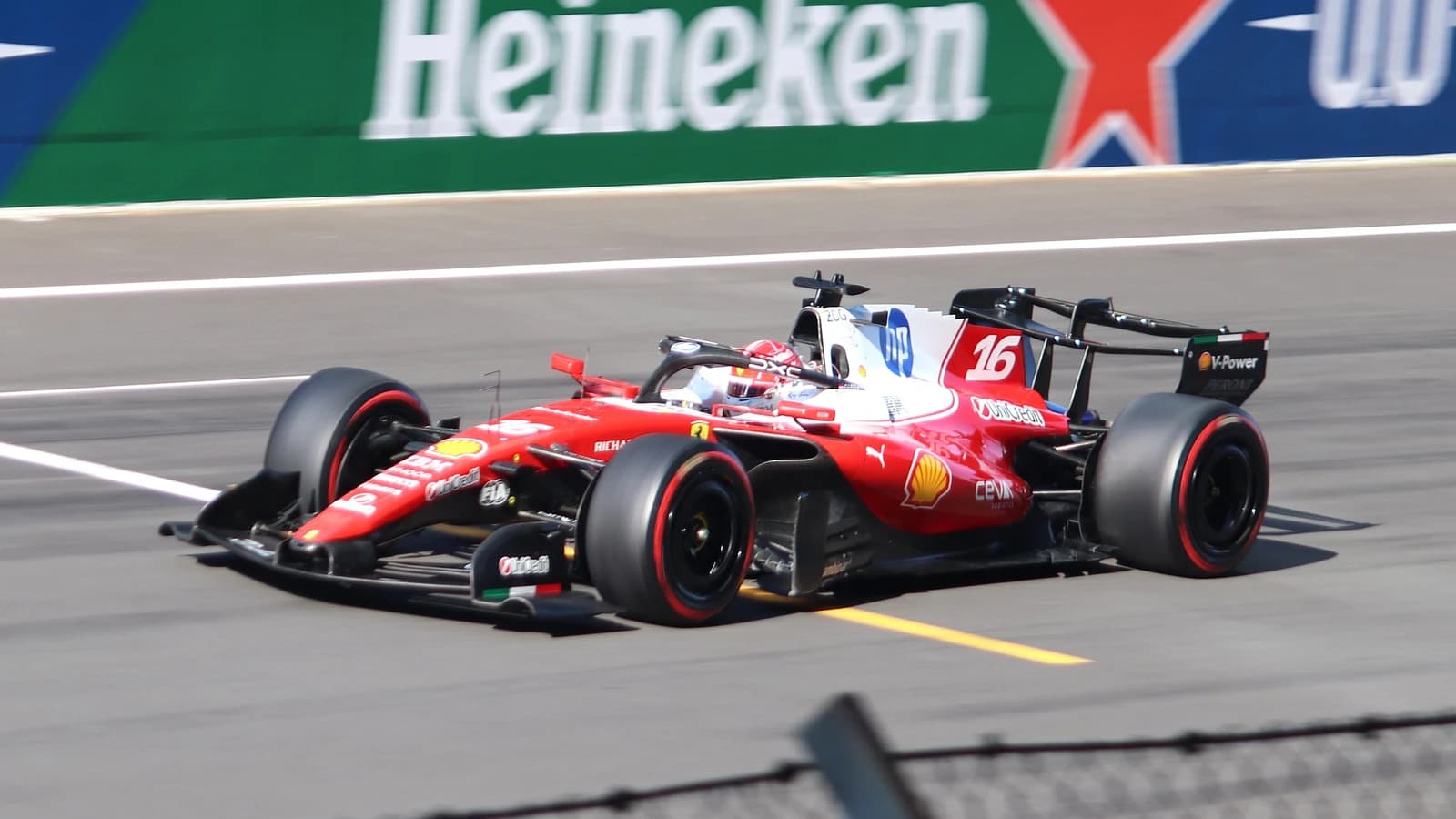
Lewis Hamilton is forcing Ferrari to confront a problem that goes straight to the bottom line of Formula 1 success: a fast car is not enough if the team keeps handing away wins through internal wheel-to-wheel fighting.
Ferrari Shares Rise as Hamilton Leclerc Clash Hits
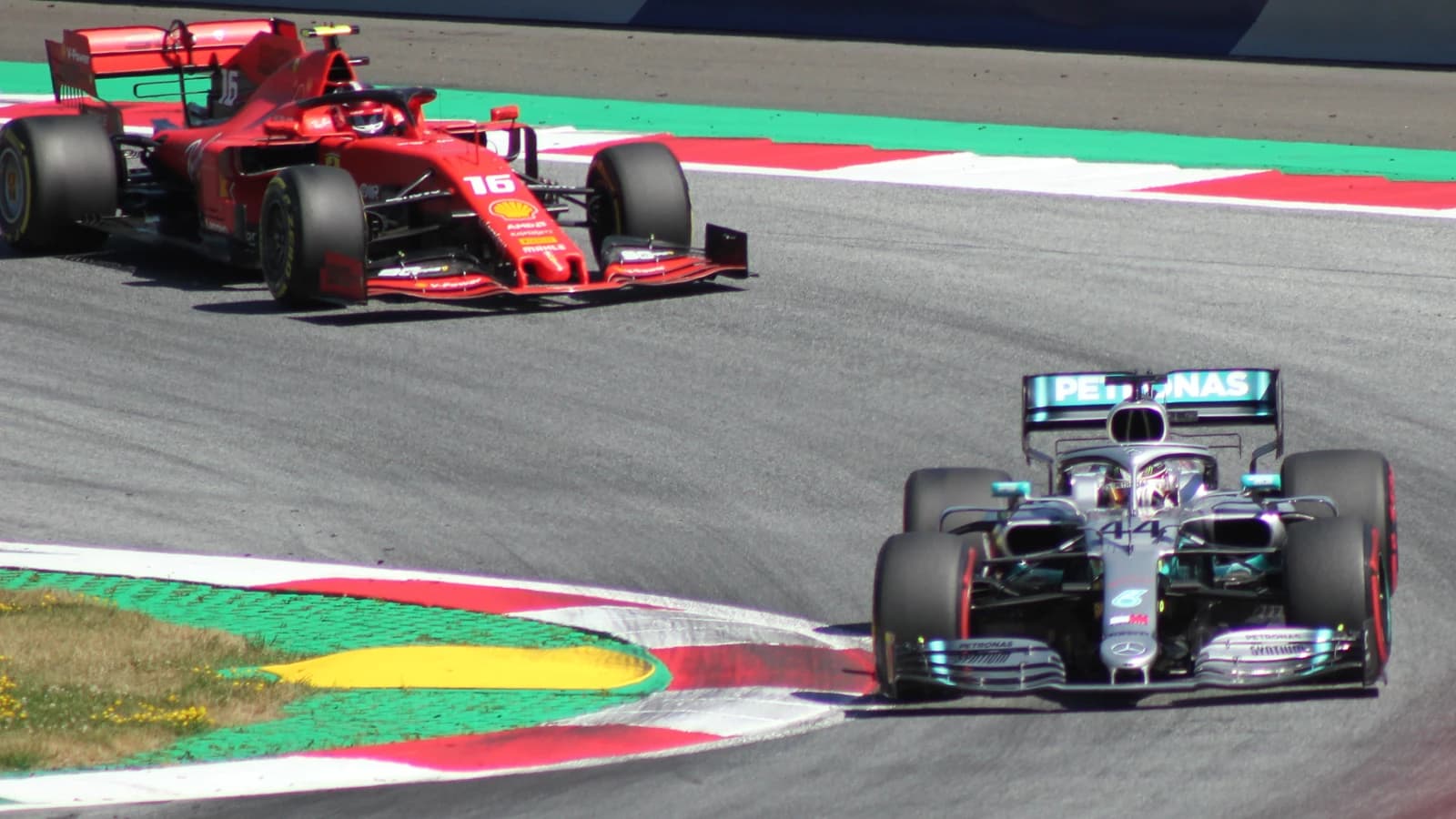
Hamilton’s demand that Ferrari “find a solution” after his clash with Charles Leclerc in Mexico matters because this was not just a bruised ego or a noisy radio message. It was a lost victory, a lost one-two finish and, by Hamilton’s own telling, a direct hit to points that could have mattered in the constructors’ standings. In a sport where every position has championship and commercial value, squandered opportunities can alter the revenue mix, sponsorship leverage and race-day momentum that separate contenders from pretenders.
The incident at the Mexico City Grand Prix was especially costly because Ferrari had the race under control early on, with Hamilton and Leclerc running first and second out of Turn 1 before Leclerc’s aggressive move at Turn 4 pushed both cars wide. Hamilton slipped to third behind Max Verstappen, while Leclerc was hit with a five-second penalty for leaving the track and gaining an advantage. That opened the door to the kind of result Ferrari can least afford: a race won elsewhere after its own drivers compromised each other.
For investors following Ferrari N.V. shares, the relevance is larger than a single grand prix. Ferrari’s equity story has always rested on scarcity, execution and brand heat, and Formula 1 remains part of the company’s global halo. When that halo is built on winning, internal mismanagement on track matters. A team that cannot turn front-row pace into race wins risks damaging the performance narrative that supports premium positioning across the Ferrari franchise.
The market has also been telling a story of its own. Ferrari shares closed at $414.77 on Nov. 3, up sharply from $395.99 on Oct. 30, and the stock has reclaimed its 50-day moving average near $402.56 and its 200-day average around $368.55. On a technical basis, the move shows renewed buying interest, though the rally has also pushed the stock into a stretched zone, with the relative strength index at 71.2, a level traders often read as overbought. In other words, the shares are already priced for strength, which makes execution risks more important, not less.
That is why Hamilton’s call for an internal fix matters. Ferrari can absorb a bad result; it cannot afford a pattern. The company’s latest 6-K filings and interim report remind investors that the stock remains tied not just to road-car margins but to the optics of performance and discipline that F1 provides. If Ferrari can resolve the Leclerc-Hamilton tension and convert pace into cleaner results, the team’s competitive narrative strengthens. If not, the market may start to question whether Ferrari is maximizing one of its most valuable global assets.
For now, the actionable takeaway is simple: Ferrari’s long-term investment case remains intact, but the next leg higher depends on management restoring race discipline as much as engineering speed. The market is already rewarding the brand; what it needs next is proof that Ferrari can stop giving away wins.
| Entity | Gains | Losses |
|---|---|---|
| Ferrari | ▲Constructors' points if harmony improves | ▼Reputation if internal clashes continue |
| Lewis Hamilton | ▲Championship standing if team orders tighten | ▼Race results from avoidable traffic |
| Charles Leclerc | ▲Freedom to race if strategy stays loose | ▼Penalties and team criticism |
| Ferrari shareholders | ▲Upside if winning narrative returns | ▼Confidence if execution slips again |