Tom Kaulitz’s overdue Ferrari promise has little to do with the company’s fundamentals, but the latest handover underscores why the Prancing Horse remains one of the world’s most desirable luxury brands — and why investors still pay up for scarcity, storytelling and pricing power.
Ferrari Shares Pull Back After Summer Rally
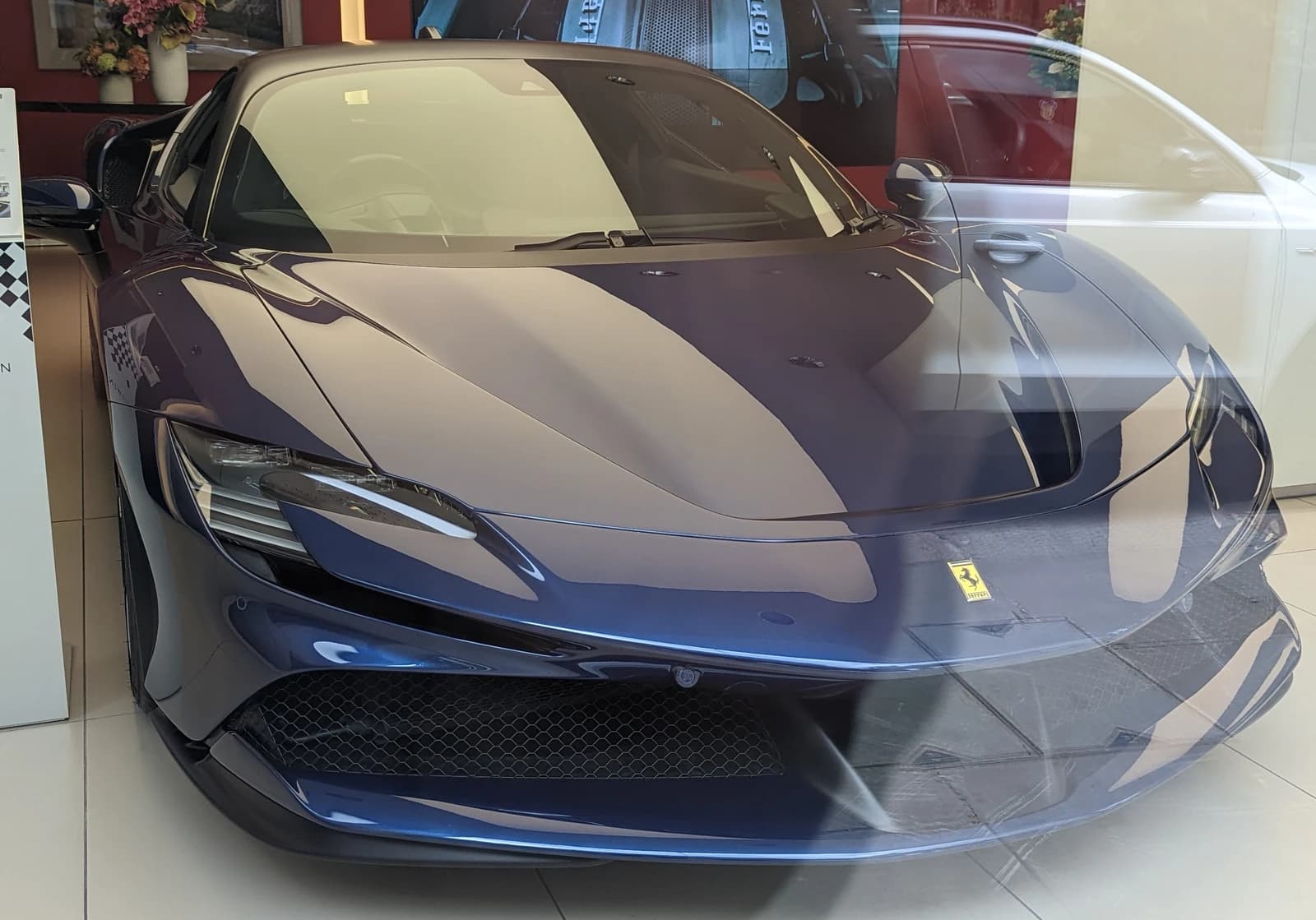
The musician gave his stepson Henry a red Ferrari F430 for his 21st birthday after winning a Mario Kart bet years ago, wrapping up a wager that had been publicized by Heidi Klum’s Instagram video. Kaulitz said he had first bought the car at auction with his twin brother Bill in Texas and kept it for a time before delivering it, turning a family anecdote into a reminder of Ferrari’s cultural reach well beyond auto showrooms and racetracks.
For Ferrari investors, that halo effect matters because the stock trades as much on brand equity and exclusivity as on near-term vehicle volumes. The shares have been volatile in recent months, reflecting how quickly sentiment can shift even in a business with powerful pricing power. Ferrari stock closed at $406.69 on Sept. 18, below its August peak of $436.54, but still above the 200-day moving average of about $364, a sign the longer-term uptrend remains intact even as momentum has cooled.
Technical readings suggest the market has moved from overbought conditions toward a more balanced posture. The 14-day RSI has fallen to 40.2 from 78.6 in late August, while the stock is now trading under its 50-day moving average of $401.66 after briefly pushing above the upper Bollinger Band during the summer rally. That combination points to a consolidation phase rather than a collapse, with traders likely waiting for clearer evidence on deliveries, margins and guidance before re-engaging.
The broader investment case remains tied to Ferrari’s ability to keep supply constrained while lifting average selling prices through bespoke models, limited editions and a loyal global customer base. Bulls argue that the company’s scarcity model makes it less cyclical than mass-market automakers and more comparable to a luxury goods house. Bears counter that valuation leaves little room for error, especially if higher rates, weaker discretionary spending or a stumble in product cadence dents demand for ultra-premium vehicles.
The Kaulitz Ferrari may be a celebrity footnote, but it captures the essence of the brand’s market appeal: the car is not just transportation, but a social signal, a collectible and, for shareholders, a symbol of the premium Ferrari can command. For investors, the key question is not whether the brand remains aspirational — it clearly does — but whether that aspiration can continue to justify the stock’s premium through the next stretch of delivery and earnings data.
| Entity | Gains | Losses |
|---|---|---|
| Ferrari | ▲Brand visibility | ▼None materially |
| Ferrari shareholders | ▲Long-term premium valuation | ▼Short-term volatility |
| Tom Kaulitz / family | ▲Publicity and fulfillment of wager | ▼A Ferrari handover expense |
| Short-term traders | ▲Opportunity from pullbacks | ▼Momentum buyers if shares fade |