Fiat’s decision to stop importing its electric 500e and Abarth 500e into Australia has intensified speculation that the brand may be on the way out of the market, underscoring how weak scale can turn even iconic nameplates into liabilities.
Fiat Australia Pullback Raises Stellantis Portfolio Questions

The economic significance is less about one small sales market than about what it says on Stellantis’ allocation choices. When a mass-market brand is moving fewer cars in an entire country than Ferrari and Lamborghini, the issue is no longer awareness or pricing at the margin but commercial viability. For an automaker with tight capital priorities, low-volume markets can become hard to justify when they require homologation, distribution, inventory support and marketing spend without delivering enough throughput to cover fixed costs.
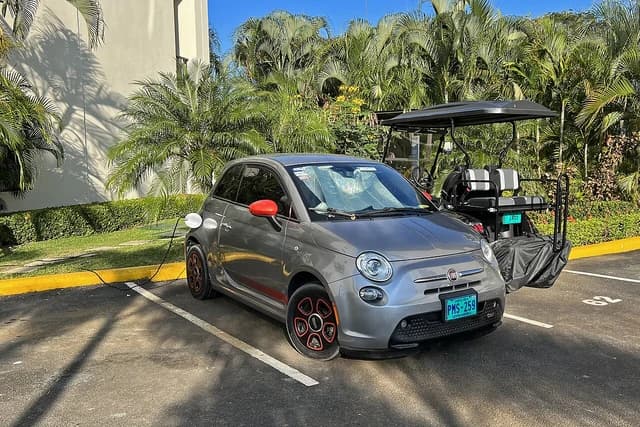
That matters because Stellantis is already under pressure to concentrate resources on brands and regions with the best return on capital. Fiat’s withdrawal of the 500e and Abarth 500e from Australia suggests the company is willing to prune product lines that cannot sustain scale, especially in battery-electric vehicles where development and compliance costs are heavier than on internal combustion models. If the brand remains absent, the risk is that Australia becomes not just a temporary weak spot but part of a broader retrenchment in which Fiat shrinks to a niche presence outside its core European base.
For investors, the episode is another reminder that Stellantis’ turnaround depends as much on portfolio discipline as on headline sales volume. The stock has remained deeply out of favour, trading around $5.78 after a steep decline from earlier peaks, with the shares below both the 50-day and 200-day moving averages. That reflects market skepticism that the group can restore margins and growth without taking harder decisions about which brands to back and which to starve of capital. Fiat’s Australian pullback may help trim losses at the margin, but it also highlights the fragility of a brand architecture built across many badges and many geographies.
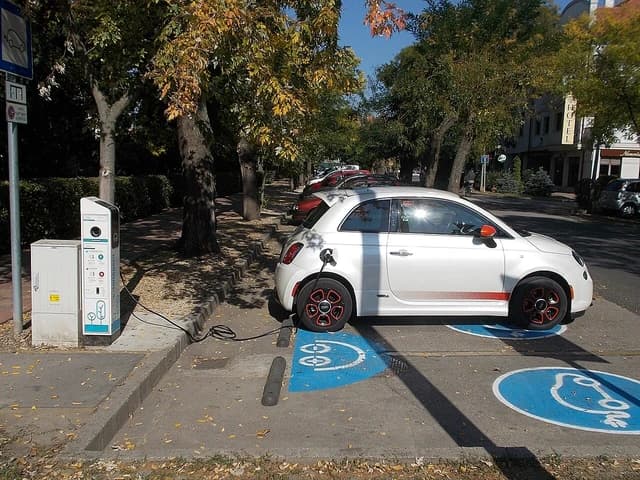
There is a bull case. Shedding uneconomic markets can improve efficiency, reduce working capital needs and stop management from chasing volume for its own sake. A leaner Fiat, focused on stronger European demand and products with clearer scale economics, could be worth more than a global footprint maintained for prestige. But the bear case is more troubling: repeated withdrawals feed the perception that Fiat lacks the product depth and regional relevance to compete effectively outside its home turf, especially as EV buyers gravitate toward larger, better-supported brands.
The immediate question is whether Australia is an isolated rationalization or an early sign of a broader brand reset within Stellantis. If the company cannot prove that Fiat still has a profitable role beyond a shrinking set of markets, investors are likely to keep treating the badge as a drag on group optionality rather than a source of growth.
| Entity | Gains | Losses |
|---|---|---|
| Stellantis | ▲Cuts low-return exposure | ▼Weakens brand reach |
| Fiat | ▲Preserves capital | ▼Risks market exit |
| Competitors | ▲Gain shelf space | ▼Face less direct rivalry |
| Investors | ▲Clarity on portfolio discipline | ▼Fears deeper brand erosion |