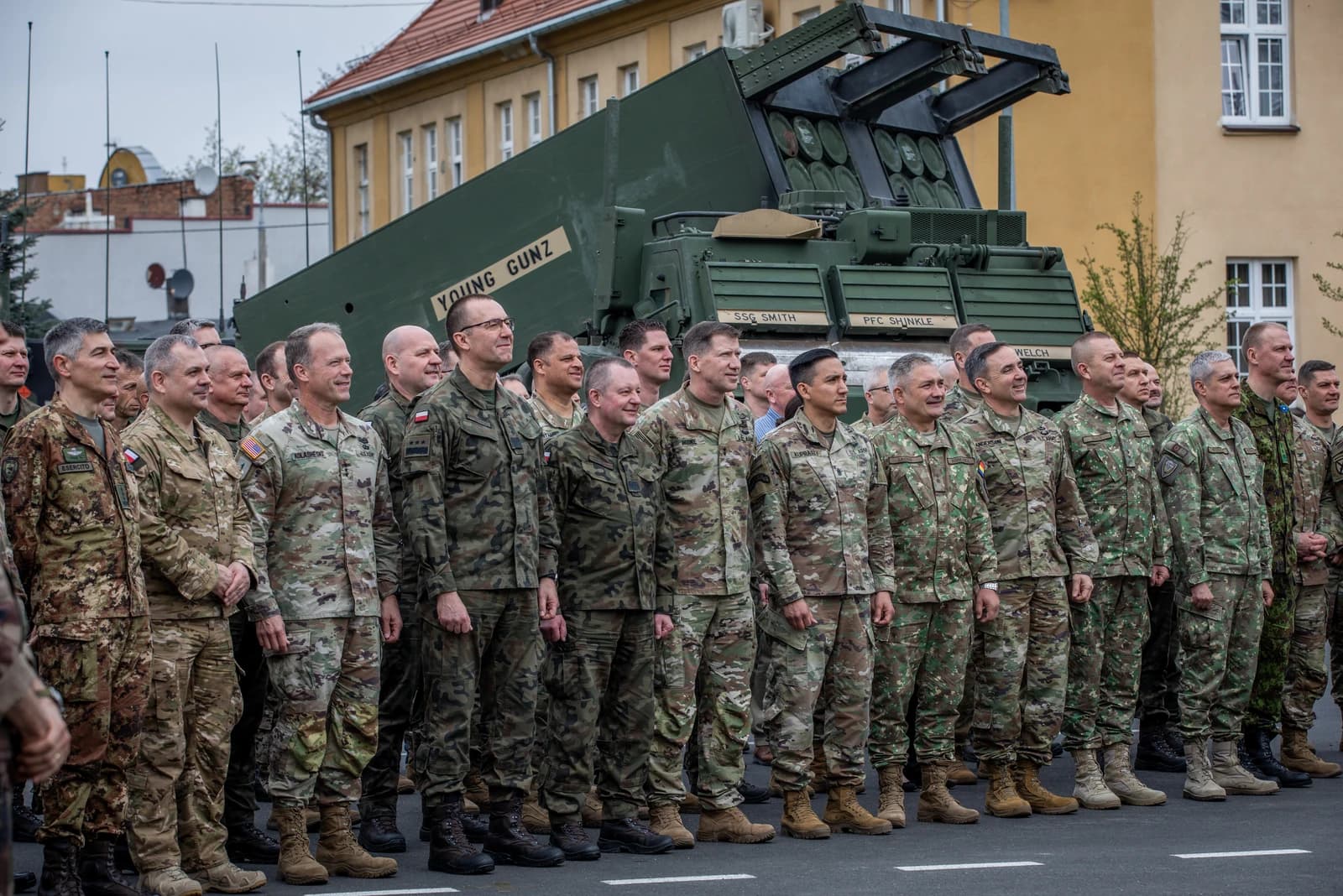
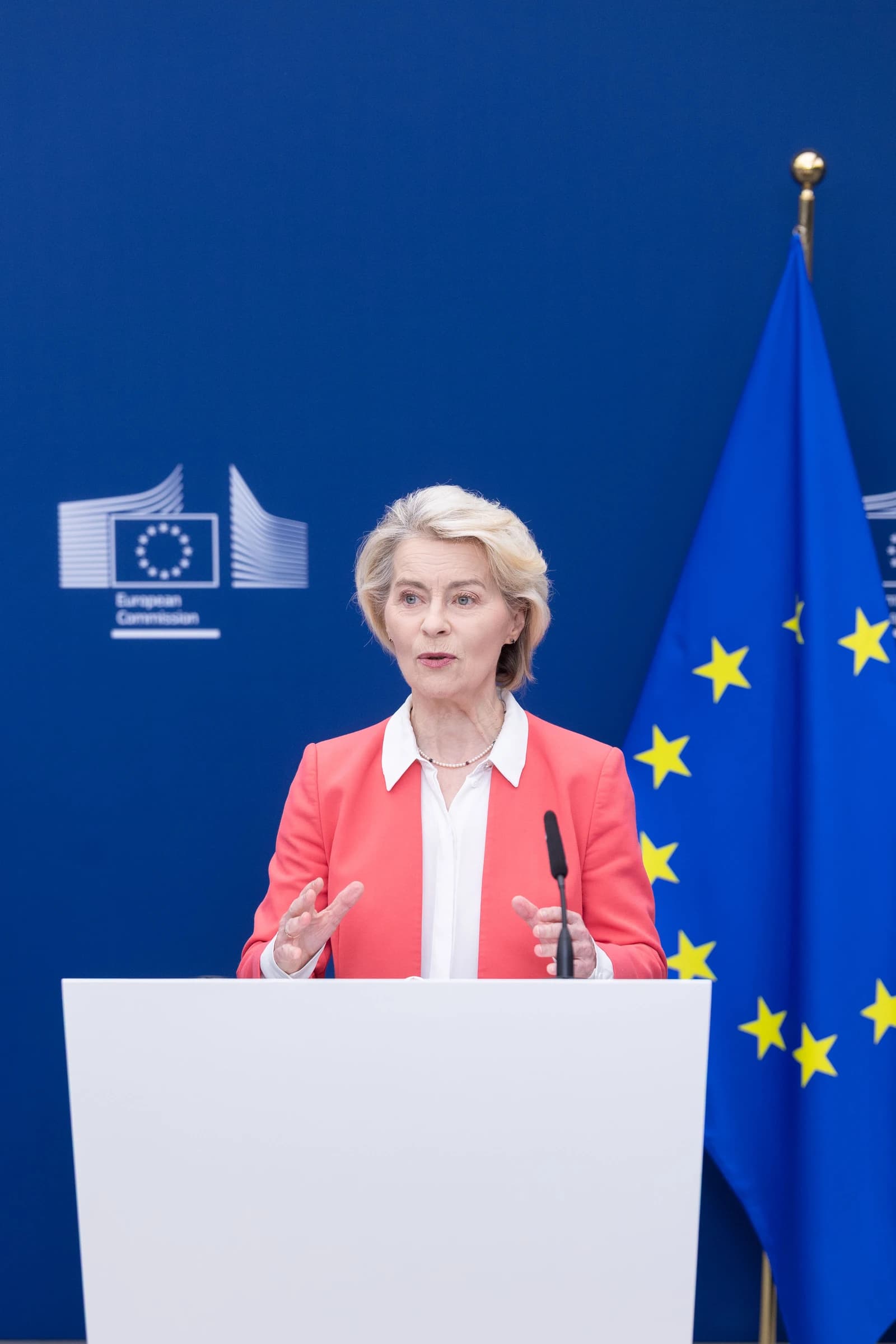
Finland’s argument over military spending has turned into a proxy battle over who pays for national security when the economy is already under strain.
Finland Defense Spending Debate Hits Budget
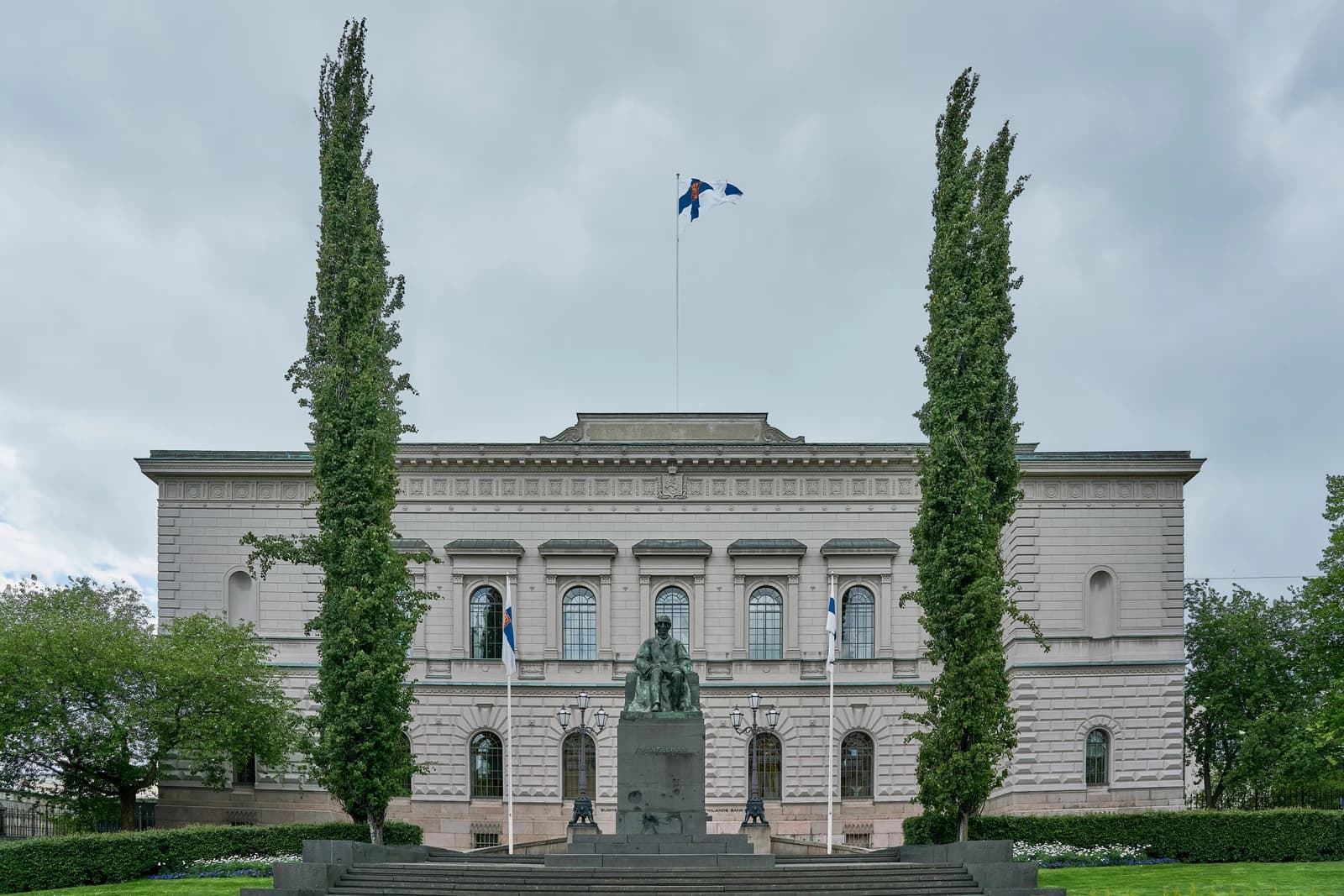
That matters because the country is being asked to lock in defense outlays that could rise to more than 14 billion euros by 2029, even as policymakers wrestle with unemployment, welfare cuts and a deterioration in living standards that is forcing a public rethink of the post-2022 security consensus.
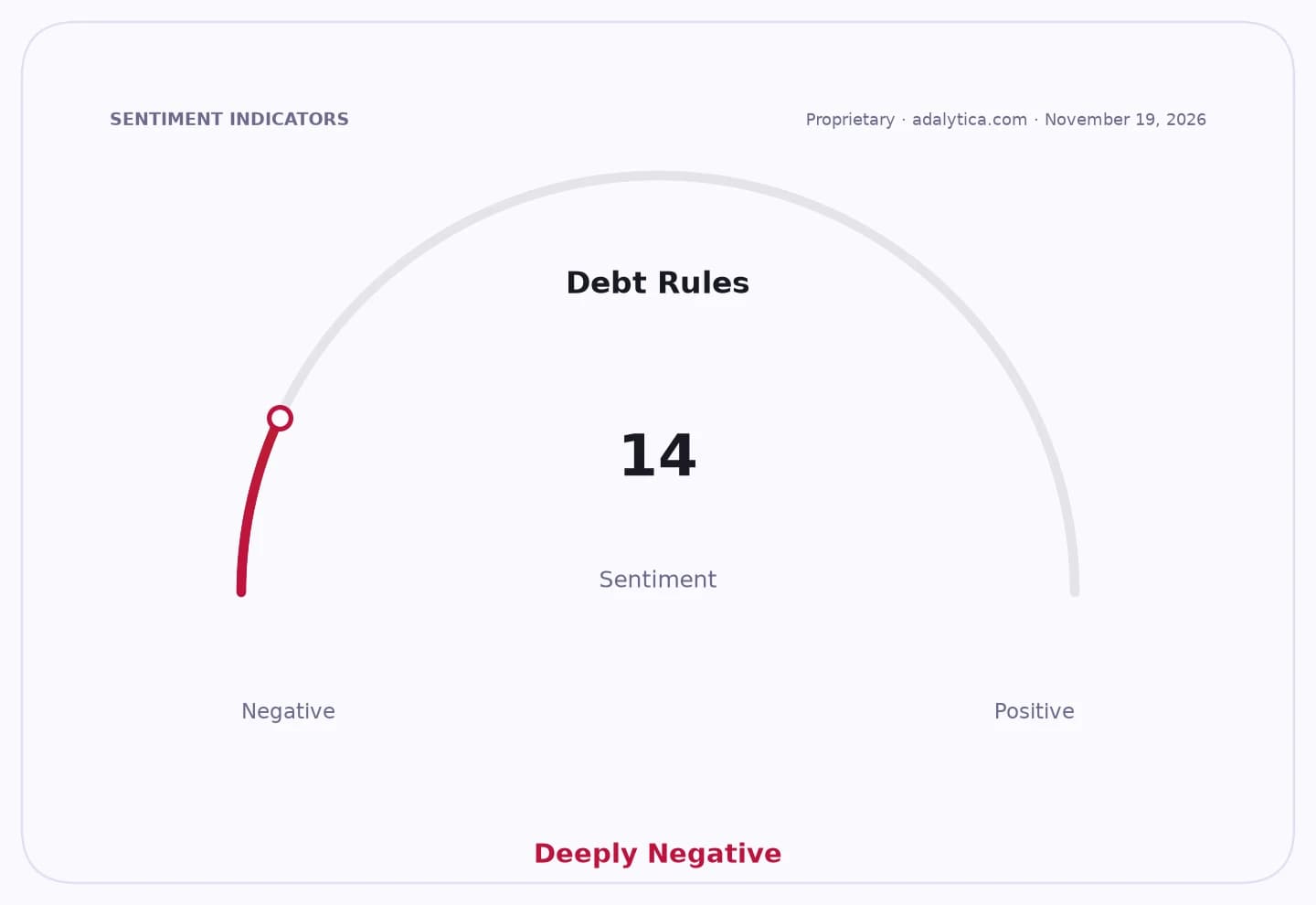
Sentiment Indicators
The immediate flash point is NATO’s new target for members to spend 5% of GDP on defense and security by 2035, with 3.5% reserved for the military and another 1.5% for cyber defense, civil protection and support for Ukraine. Finland is already headed to 2.5% of GDP in 2026, above the alliance’s old 2% benchmark, and budget talks earlier this year mapped a rise to 3% by 2029 and 3.2% by 2030.
But that still leaves a long way to go. A cross-party parliamentary working group said in June that military spending may need to more than double, from nearly 8 billion euros in 2026 to more than 14 billion euros by 2029, and stay at that level through at least 2036. For a small economy, that is not just a budget line — it is a claim on the future shape of the state.
And the future is already getting tighter. Finland, once held up as a model of prosperity, now has the highest unemployment rate in the European Union, according to the data cited in the debate, while the government is trimming benefits, tightening eligibility and streamlining hospitals and clinics. That is why the spending fight has escaped the defense ministry and entered the center of politics.
Defense Minister Antti Häkkänen has dismissed calls to slow the pace of militarization as irresponsible, arguing that Russia’s ambitions will not disappear even if the war in Ukraine ends. His camp says the country faces a race against time and warns that Moscow could shift forces toward the Finnish border and test NATO’s resolve.
Yet the political mood is no longer uniformly supportive. The finance ministry, led by Riikka Purra of the Finns Party, has pushed for a slower rise in defense spending. Christian Democrats in the governing coalition have also proposed trimming military outlays in the next electoral period. On the left, opposition politicians are demanding a broader public debate, arguing that the costs will show up directly in social services, household incomes and public health.
Those concerns are not abstract. The welfare agency Kela found in August that people receiving benefits were finding it harder to afford basics such as food, medicine and hygiene products, and half said they were cutting back on meals or relying on free food aid. Labore, an NGO, said the number of low-income people had risen by nearly 100,000 since April 2026. The Finnish Institute for Health and Welfare has estimated that tax and benefit changes from 2023 through 2027 will cut incomes for the poorest households by 8%, or about 80 euros a month per adult.
That is the real story investors should watch: not whether Finland will meet a NATO target, but how much fiscal space it has left after it does. When defense rises faster than the economy, the pressure eventually lands somewhere else — on consumption, on public services, on debt issuance or on political stability. Finland’s June-to-2036 military plan would demand a larger share of national resources for years, and in a slowing economy that raises the odds of trade-offs becoming visible in the data.
The market angle is broader than Finland itself. Europe’s rearmament remains a secular theme, but the path is uneven: governments may continue to spend more on defense, yet the political tolerance for austerity elsewhere is getting thinner. That could support select contractors and defense suppliers over time, while also increasing tension for taxpayers, welfare systems and any economy already flirting with stagnation.
For long-term investors, the message is simple: defense spending is not free, and in smaller European economies the bill can arrive quickly. Finland’s debate is a reminder that geopolitical risk may justify higher military budgets, but it does not eliminate the economic cost of paying for them. The question now is whether the country can sustain both security and social stability — and that is a watchlist item worth following for years, not weeks.
| Entity | Gains | Losses |
|---|---|---|
| Finnish defense contractors | ▲Bigger procurement budgets | ▼Slower spending growth |
| NATO hawks | ▲Higher military readiness | ▼Less fiscal flexibility |
| Welfare recipients | ▲None | ▼Lower benefits, tighter services |
| Finnish taxpayers | ▲Longer-term security, if threats persist | ▼Higher taxes or weaker social spending |