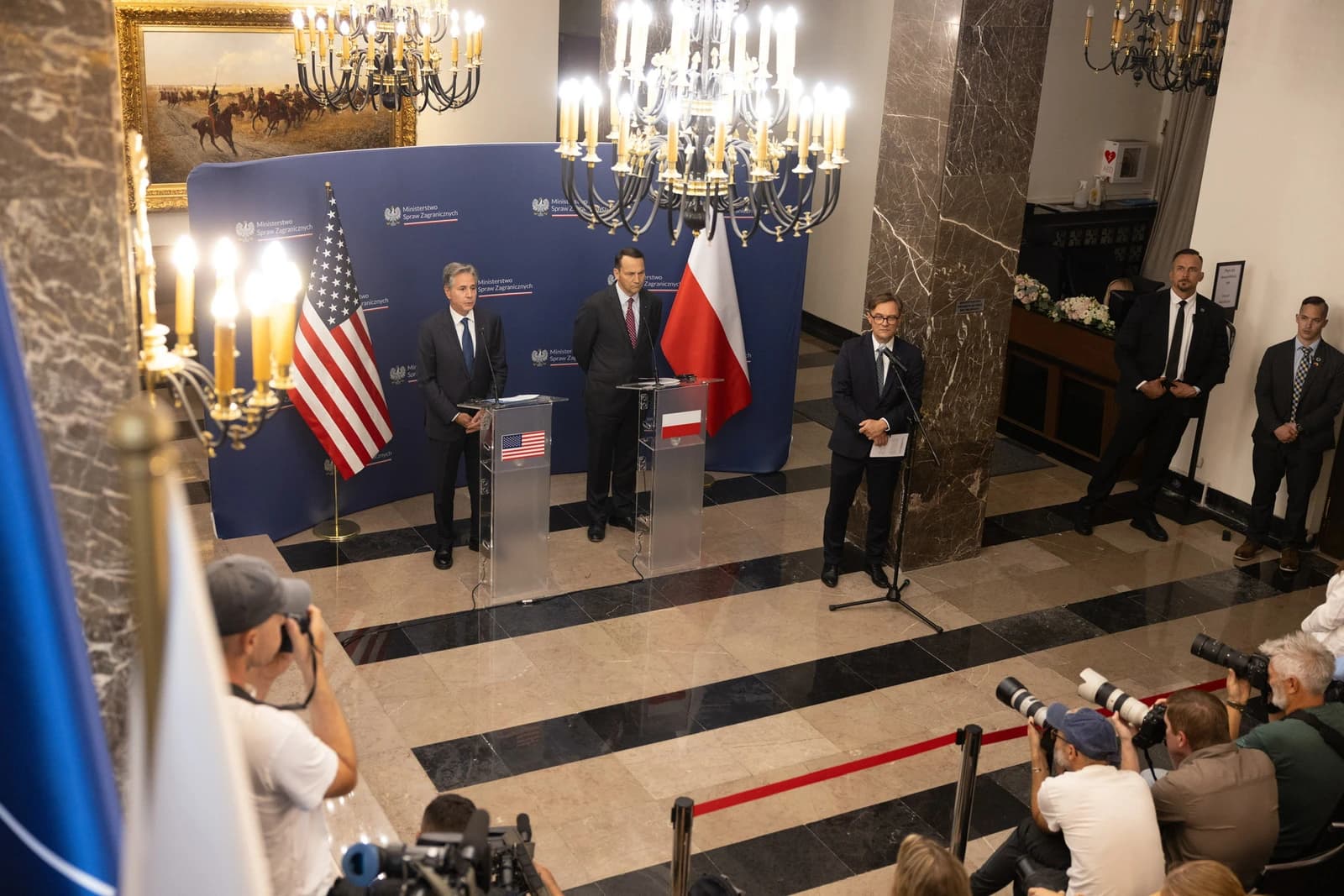
Russia’s breakdown in talks with NATO has evolved into a long-term rearmament cycle that is now reshaping European security, defense budgets and the investment case for military contractors.
NATO defense spending boosts contractors through 2035
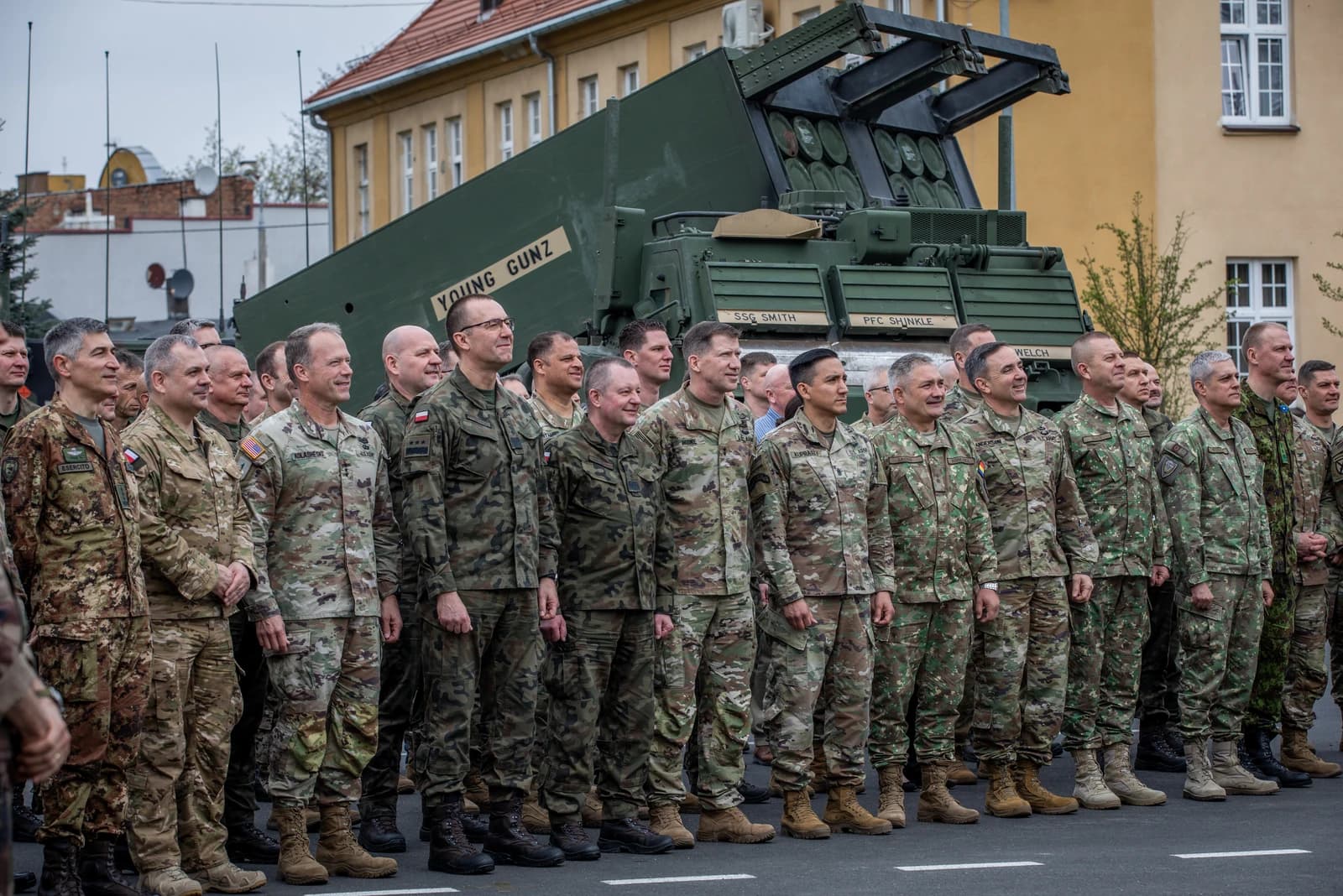
What began in 2021 as a dispute over guarantees on NATO expansion has ended with the alliance treating Russia as a durable threat, while Moscow says the West ignored its demands for “indivisible security” and restraint on military deployments near its borders. The result is a five-year shift from diplomacy to deterrence: NATO has expanded to 32 members, deepened its northern flank, and committed to a far larger, sustained defense buildout through 2035.
Sentiment Indicators
That matters economically because the alliance is no longer talking about temporary surge spending. At the Hague summit in June 2025, NATO members agreed to lift defense and security-related spending to 5% of GDP by 2035, including at least 3.5% on core military needs and up to 1.5% on infrastructure, resilience and the defense industrial base. For Europe, that points to a multi-year fiscal shift away from peacetime norms and toward sustained military procurement, logistics and industrial capacity. For governments already under pressure from weaker growth and higher borrowing costs, that will force difficult trade-offs in budgets, deficits and debt issuance.
The geopolitical backdrop explains why markets are treating this as structural, not cyclical. Russia’s full-scale invasion of Ukraine severed most Russia-NATO contacts, Finland joined the alliance in 2023 and Sweden in 2024, and NATO has since described Russia as its most significant and direct security threat. The alliance’s exercises in Lithuania and Latvia, along with warnings of a “devastating” response to any attack on a member, underline how deterrence has become the operating doctrine. That raises the floor for European defense spending even if front-line fighting in Ukraine eventually eases.
For investors, the clearest beneficiaries are defense prime contractors and suppliers tied to air and missile defense, artillery, munitions, surveillance and command systems. Lockheed Martin, Northrop Grumman and other U.S. contractors are already pointing to multi-year government orders and heightened demand in Europe and beyond. The stock tape reflects that theme: Lockheed Martin and Northrop have outperformed in periods when geopolitical risk has intensified, while the defense ETF ITA has held above its 50-day moving average even after recent volatility. The broader equity market, by contrast, has been more cautious, with S&P 500 trade signals showing neutral sentiment and elevated awareness around risk.
The bull case is that NATO’s spending pledge, combined with Europe’s need to replenish stocks sent to Ukraine, supports years of backlog growth, pricing power and cash conversion for major defense firms. The bear case is that budget discipline, procurement delays and political turnover could slow the pace of awards, while some of the rally has already been discounted in defense shares. But the strategic direction is hard to miss: Europe is moving from crisis response to sustained militarization, and that is likely to keep defense demand elevated well beyond the current conflict cycle.
For markets, the key question is no longer whether Europe will spend more on defense, but how fast and through which companies the money will flow.
| Entity | Gains | Losses |
|---|---|---|
| NATO defense contractors | ▲Multi-year orders | ▼Depend on budget execution |
| European governments | ▲Stronger deterrence | ▼Higher fiscal burden |
| Russia | ▲Diplomatic leverage claims | ▼Strategic isolation |
| Ukraine | ▲Continued military support | ▼Prolonged conflict risk |