The United States has stopped directly funding Ukraine’s defense since January 2025, forcing Europe to shoulder most of the bill and sharpening the long-term question for investors: how much of the Western burden can the region keep financing without breaking its own fiscal limits?
Europe Bears More Ukraine Defense Funding
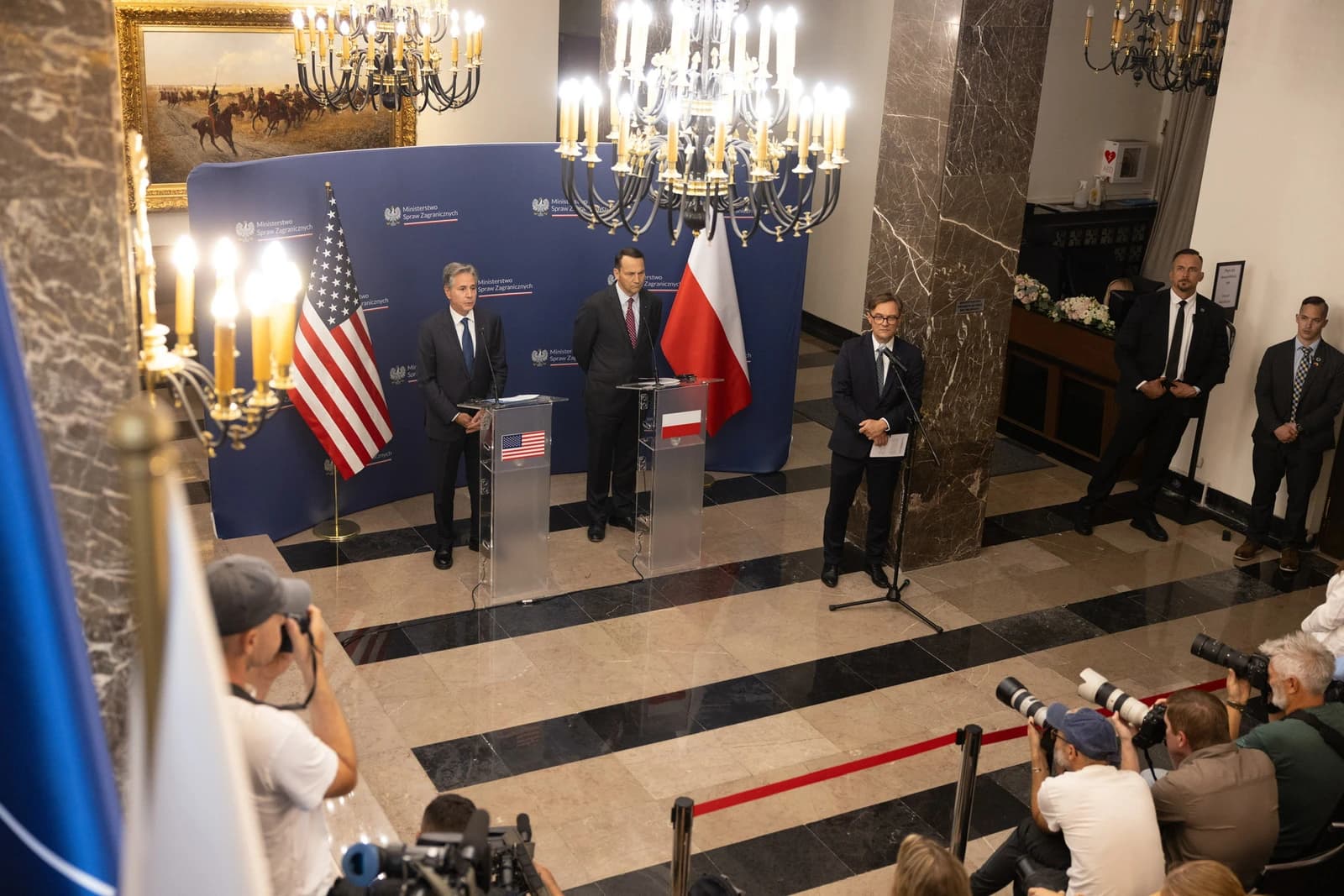
Poland’s foreign minister, Radoslaw Sikorski, said in an interview with Al Jazeera that Washington had not spent “a single cent” on Ukraine’s defense since January last year, and that Europe had largely taken over the financing role. He also noted that Ukraine has other channels for intelligence sharing, even if US support is still important in the broader war effort.
Sentiment IndicatorsⓘProprietary · adalytica.com · October 19, 2026
This is a snapshot — live sentiment, awareness and momentum for 130+ markets update continuously in the dashboard.Open AlphaPulse
That matters because the money trail is now becoming a strategic market story. If the U.S. is stepping back from direct funding, the economic weight of supporting Ukraine shifts more heavily onto European governments already balancing higher debt service, slower growth and competing domestic spending needs. For Europe, that can mean more bond issuance, tighter budgets and greater pressure on leaders to justify military and humanitarian aid packages to voters.
For investors, the implications are broader than defense stocks alone. A more Europe-led financing model can support spending on defense contractors, logistics and energy security, but it also raises the risk of fiscal strain in the euro area and uneven support across member states. The euro, European sovereign debt and defense names could all be affected if the war continues without a fresh US funding commitment.
The backdrop is that Europe has already become the main financial backer of Ukraine, while the West continues to use sanctions to pressure Moscow. That helps explain why markets are watching not just battlefield headlines, but also who pays, for how long, and through which institutions.
In the near term, investors should expect more debate over burden-sharing, further European aid packages and continued sensitivity in currencies and defense-sensitive equities. Over a longer horizon, the key question is whether Europe can sustain a war-financing role that Washington once anchored — or whether the lack of US direct spending eventually forces a broader policy reset.
| Entity | Gains | Losses |
|---|---|---|
| European governments | ▲Greater strategic influence | ▼Higher fiscal strain |
| US taxpayers | ▲Less direct spending | ▼Less leverage over funding burden |
| Defense contractors in Europe | ▲More demand potential | ▼Policy uncertainty |
| Ukraine | ▲Continued European support | ▼Weaker US financing backstop |