SDP’s move to reshape Finland’s health system is the most economically significant development here because it ties welfare reform directly to the country’s looming fiscal squeeze — and it does so without abandoning the political promise of faster, more universal care.
Finland SDP plans 1.24 billion euro health savings
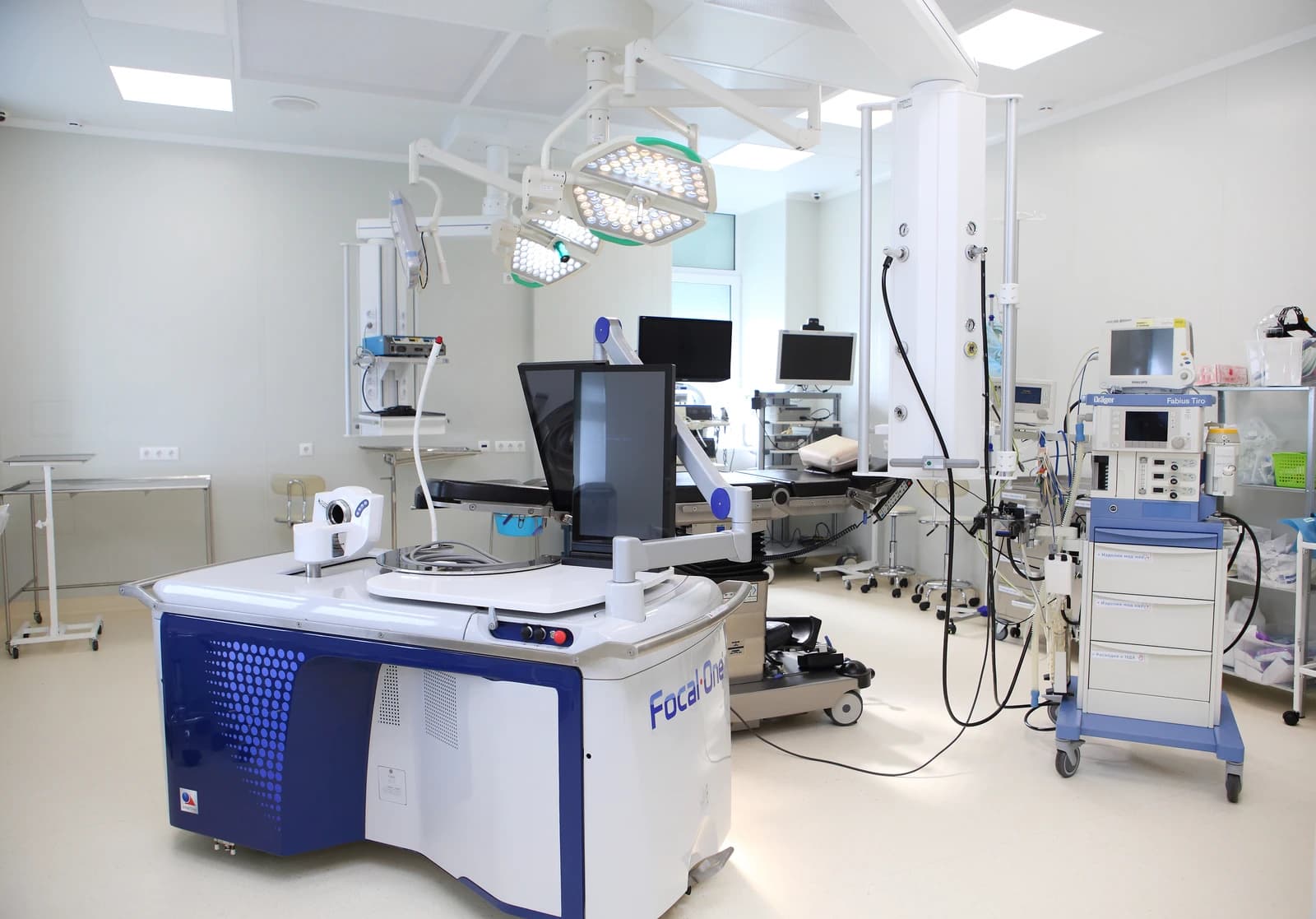
The Social Democrats said they want to save 1.24 billion euros in social and healthcare spending by trimming low-value procedures, using artificial intelligence and robot-assisted technology, and squeezing more out of procurement for drugs and equipment. They are also targeting labor costs by shifting tasks down the clinical ladder, from doctors to nurses and from nurses to care assistants, a classic productivity play that could matter far beyond Finland if it works.
That matters because the country is not debating luxury spending. SDP has signed up to a debt brake that will require public finances to be balanced by 8 billion to 11 billion euros in the next parliamentary term. In that setting, healthcare is not just a social policy issue; it is one of the biggest levers available to close the gap without resorting solely to tax hikes or blunt cuts that hit growth. The party will unveil its detailed economic program in December, and investors should view that as a test of whether Finland is serious about pairing fiscal discipline with structural efficiency.
The policy mix is notable. SDP wants to restore a 14-day treatment guarantee and make patient fees more reasonable, arguing that quicker access reduces broader social costs such as sickness benefits. It also wants the family doctor and dedicated nurse model rolled out nationwide to cut referrals to specialist care. In other words, this is not austerity for its own sake. It is an attempt to spend less by moving more care to lower-cost settings and preventing expensive bottlenecks downstream.
For investors, the implication is straightforward: the market underestimates how much political pressure is building in Europe to force healthcare systems into productivity gains. That has second-order consequences for providers, outsourced service groups, digital health vendors, procurement platforms and automation suppliers. If governments increasingly reward lower-cost care pathways and AI-enabled efficiency, the beneficiaries will be the companies that help systems do more with less. The losers will be providers and intermediaries built around fee volume, high-cost administration and fragmented purchasing.
The Center Party story only reinforces the pressure. It is being forced to defend rural healthcare closures even as it complains about centralization, a reminder that local politics may resist consolidation while national finances push in the opposite direction. That tension is likely to persist across Finland and other European markets: voters want access, governments need savings, and the only durable answer is productivity.
For investors, the takeaway is to watch the healthcare efficiency trade. The next wave of value creation may not come from more hospital beds, but from the software, automation and operating models that make care cheaper to deliver.
| Entity | Gains | Losses |
|---|---|---|
| SDP | ▲Fiscal credibility | ▼Old-cost care model |
| AI and medtech suppliers | ▲More adoption | ▼Manual workflows |
| Patients and taxpayers | ▲Faster, cheaper care | ▼Higher fees, delays |
| Center Party | ▲Local protest fuel | ▼Rural station closures |