AI in healthcare is starting to look less like a technology experiment and more like an operating model, with hospitals and health systems pushing it into triage, monitoring and workflow rather than treating it as a standalone innovation project.
Vietnam hospitals expand AI early-warning tools

That matters because the economic prize is not the software itself but the reduction of avoidable deterioration, the earlier intervention on high-risk patients and the squeeze on administrative friction that has long inflated hospital costs. In systems under pressure from aging populations, chronic disease and staffing constraints, even modest gains in early warning and process efficiency can translate into fewer ICU escalations, shorter lengths of stay and better use of scarce clinical labor.
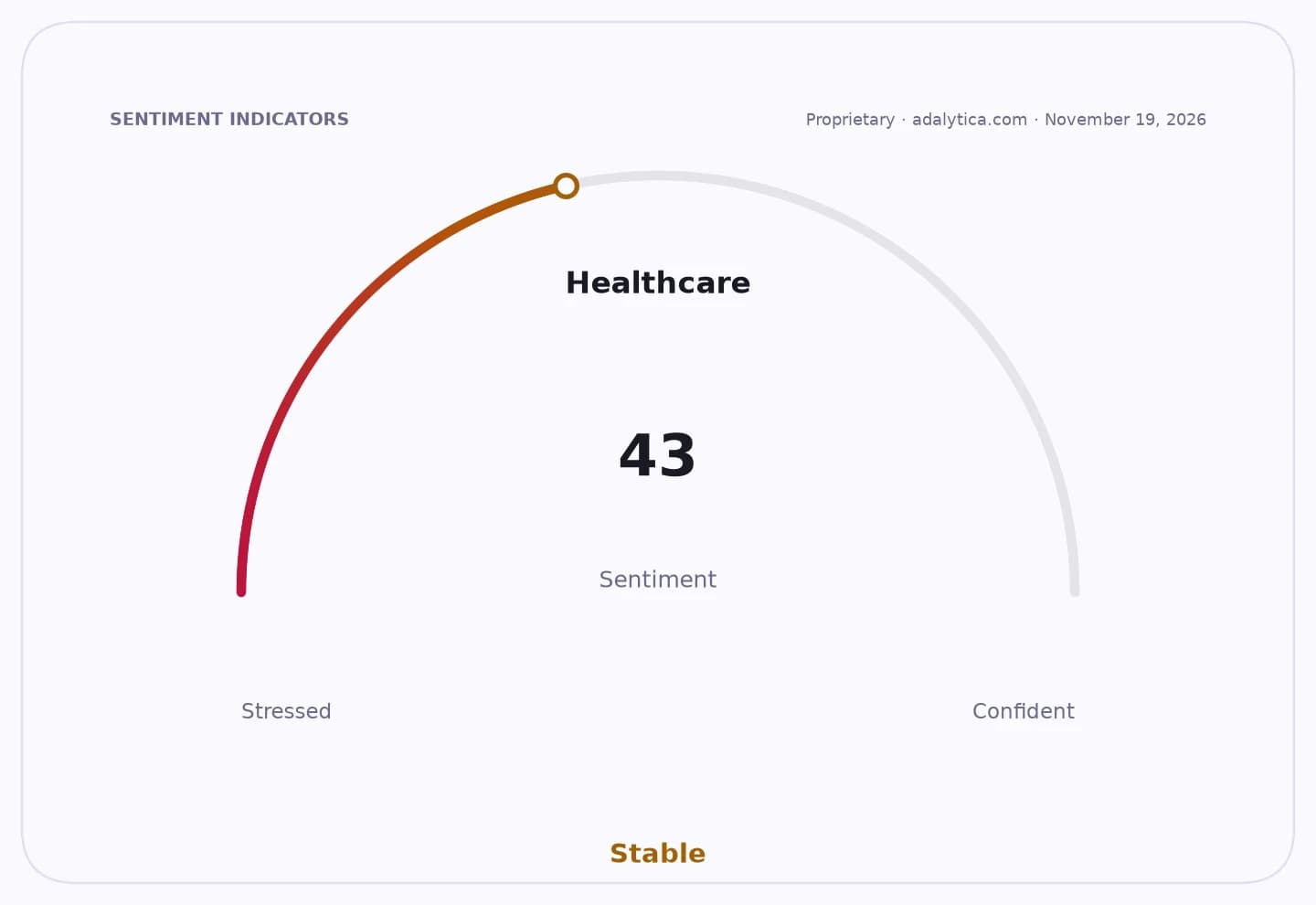
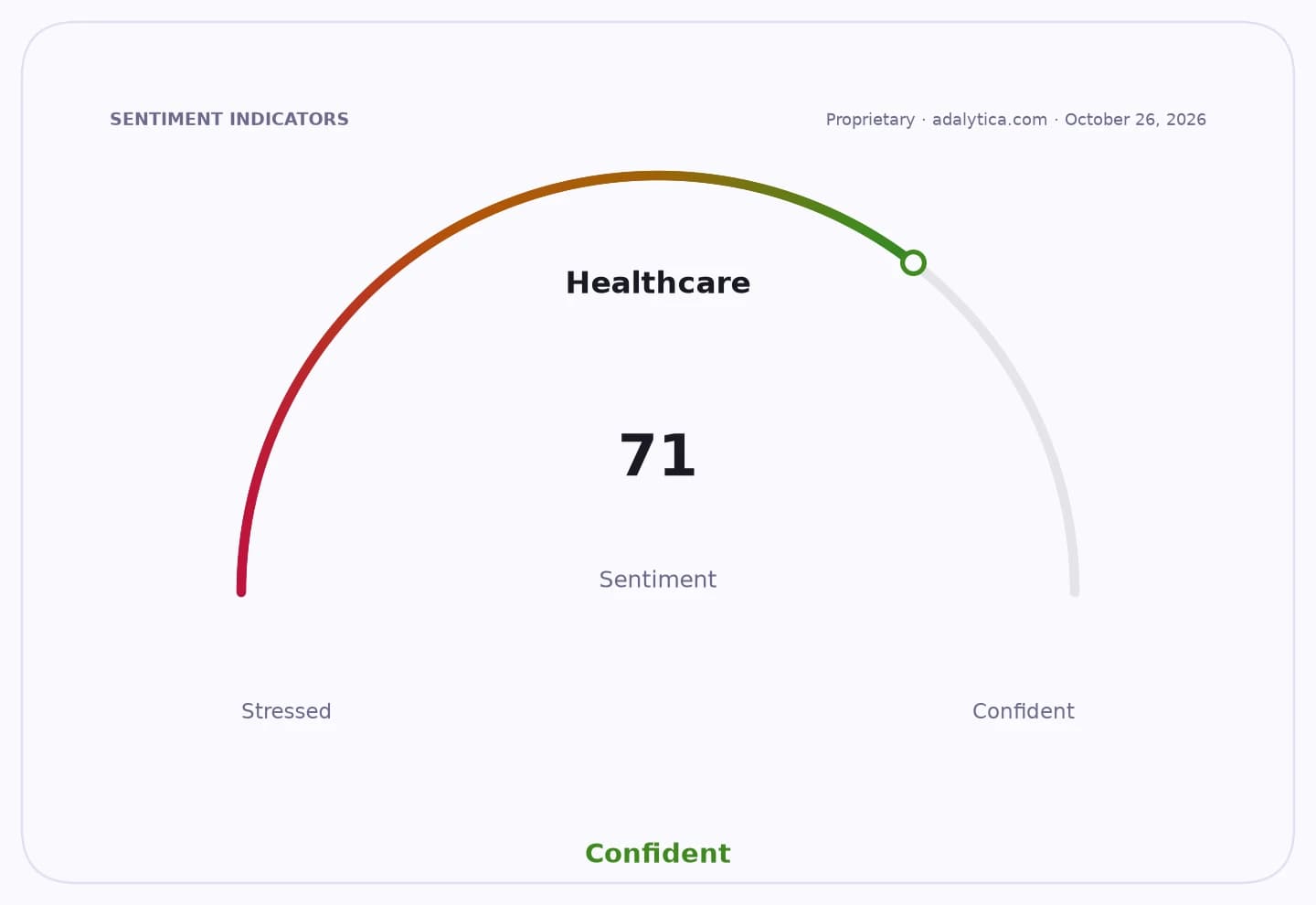
Sentiment Indicators

The clearest signal comes from Hưng Yên province in Vietnam, where health officials said they are moving carefully from controlled pilots to broader use of AI-based early warning tools after working with South Korea’s AITRICS and Yongin Severance Hospital. The province has already tested Vital-Care, an AI system designed to flag patient deterioration before vital signs turn critical, at several general hospitals. Officials described the approach as evidence-based and incremental: test, measure, then scale. That is the sort of language investors and operators watch closely, because it suggests AI is being judged by clinical outcomes, not marketing claims.
The policy backdrop is also important. Vietnamese officials framed the effort as part of a broader shift in health systems toward prevention, earlier detection and digital infrastructure, echoing national digital-transformation goals through 2030. The emphasis on data standardization, interoperable systems, cybersecurity and patient privacy shows that the bottleneck is no longer whether algorithms exist, but whether the underlying data and governance are robust enough to support them safely. That is the difference between a pilot that impresses and a platform that can actually scale across hospitals.
Artificial Intelligence
For investors, the implications stretch beyond Southeast Asia. AI adoption in care delivery tends to benefit vendors that sit closest to the workflow: hospital IT platforms, monitoring technology, data infrastructure and medical software providers that can prove measurable clinical impact. It also favors large providers able to absorb implementation costs and turn AI into throughput gains. In that sense, the story is relevant to major healthcare operators such as UnitedHealth, HCA Healthcare and McKesson, whose own disclosures point to rising care complexity, technology-enabled services and pressure to improve efficiency.
The stock tape suggests the market is already rewarding parts of the sector that look like AI beneficiaries. McKesson has been a standout performer, while HCA has held up better than many healthcare names despite bouts of volatility. UnitedHealth, by contrast, has been under heavy pressure, reflecting how quickly the market can punish healthcare firms when costs, utilization and execution risks rise faster than confidence in management’s ability to control them. Against that backdrop, clinical AI looks less like a speculative theme than a tool for defending margins and improving capacity.
Still, the bull case and bear case are both clear. Bulls argue that AI can help hospitals spot deterioration earlier, cut waste and standardize care across uneven facilities. Bears counter that the biggest gains may be slower than promised, constrained by messy data, clinician adoption, regulatory scrutiny and liability concerns if systems miss warnings or generate false alarms. The Vietnamese officials’ insistence on safety, data protection and phased rollout shows they understand those risks.
| Entity | Gains | Losses |
|---|---|---|
| Hospitals adopting AI early-warning tools | ▲Earlier intervention, workflow efficiency | ▼Implementation burden |
| AI vendors such as AITRICS | ▲Clinical validation, expansion opportunity | ▼Proof-of-value risk |
| Large health systems | ▲Better throughput, lower escalation costs | ▼Upfront integration costs |
| Slow-moving rivals | ▲None | ▼Competitive gap widens |