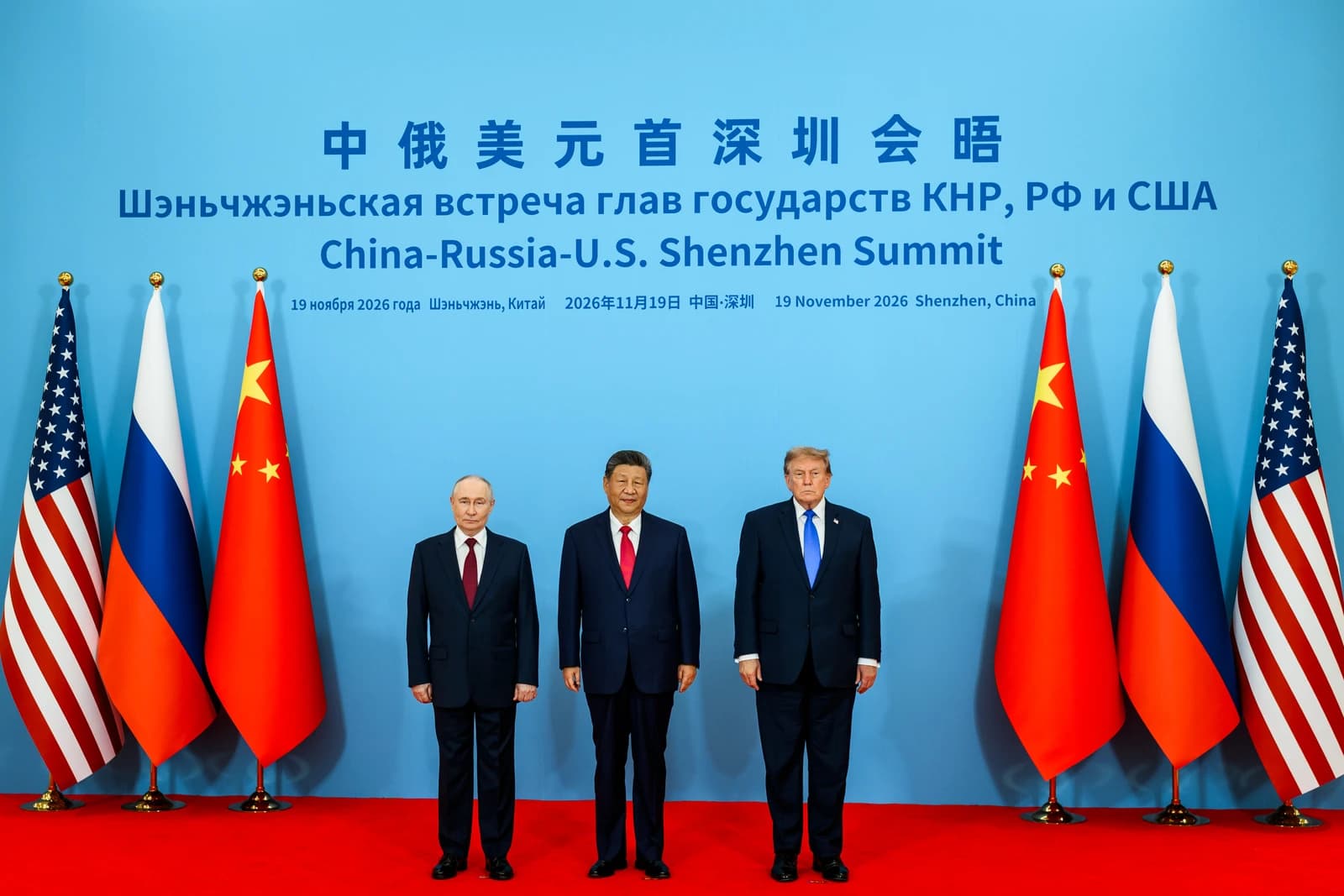
The U.S. and China have agreed that humans must remain in control of military artificial intelligence, a rare floor of restraint that could slow the risk of autonomous escalation even as both powers race to build faster, more capable systems.
U.S. China Human Control Military AI Agreement
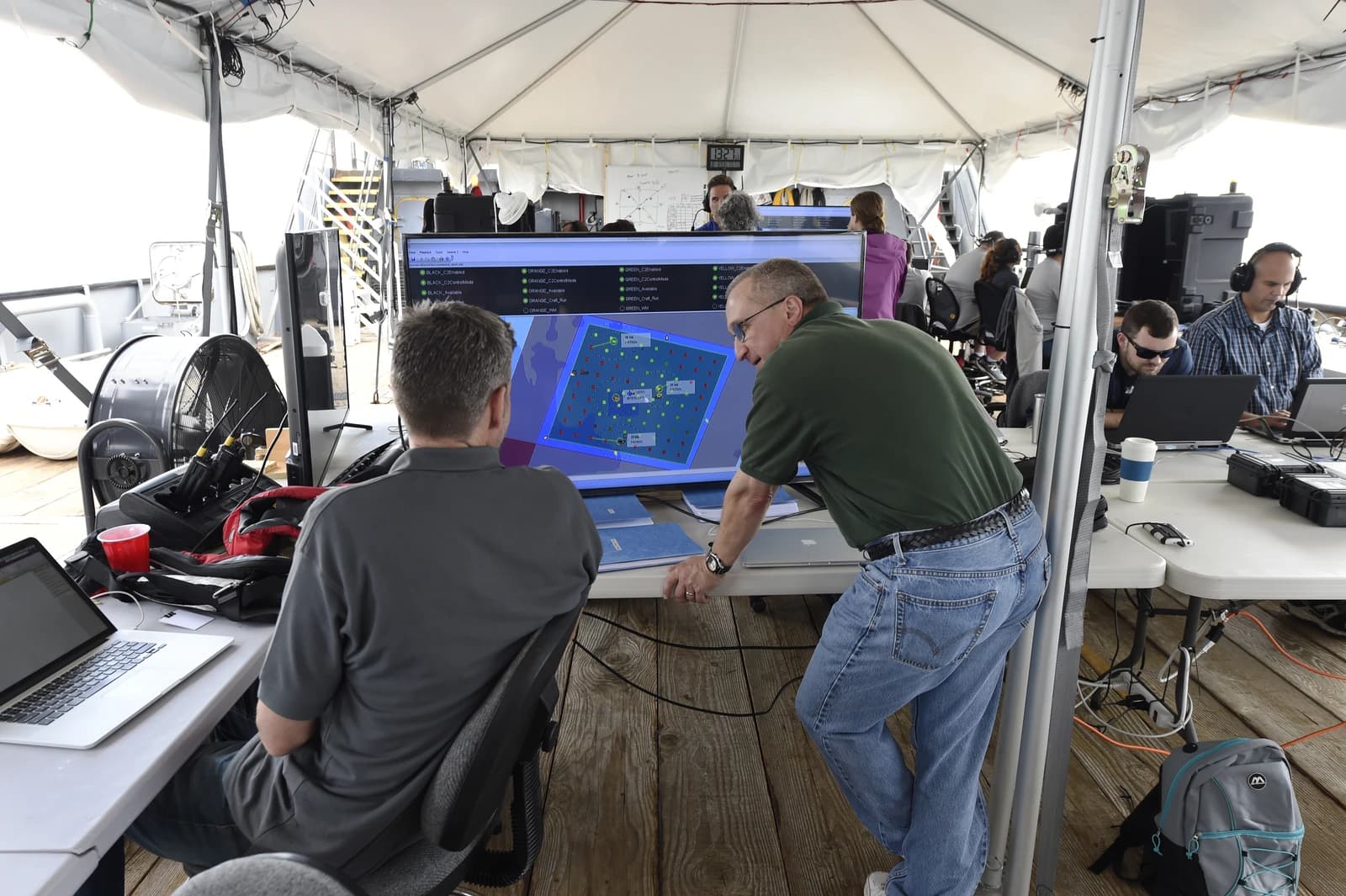
That matters because military AI is no longer a theoretical policy debate. It is becoming part of the defense capex cycle, the cybersecurity stack and the broader compute buildout that has powered the market’s biggest winners. Any sign that Washington and Beijing want guardrails, rather than a free-for-all, reshapes who gets paid, how quickly budgets move and which companies can turn AI enthusiasm into durable contracts.
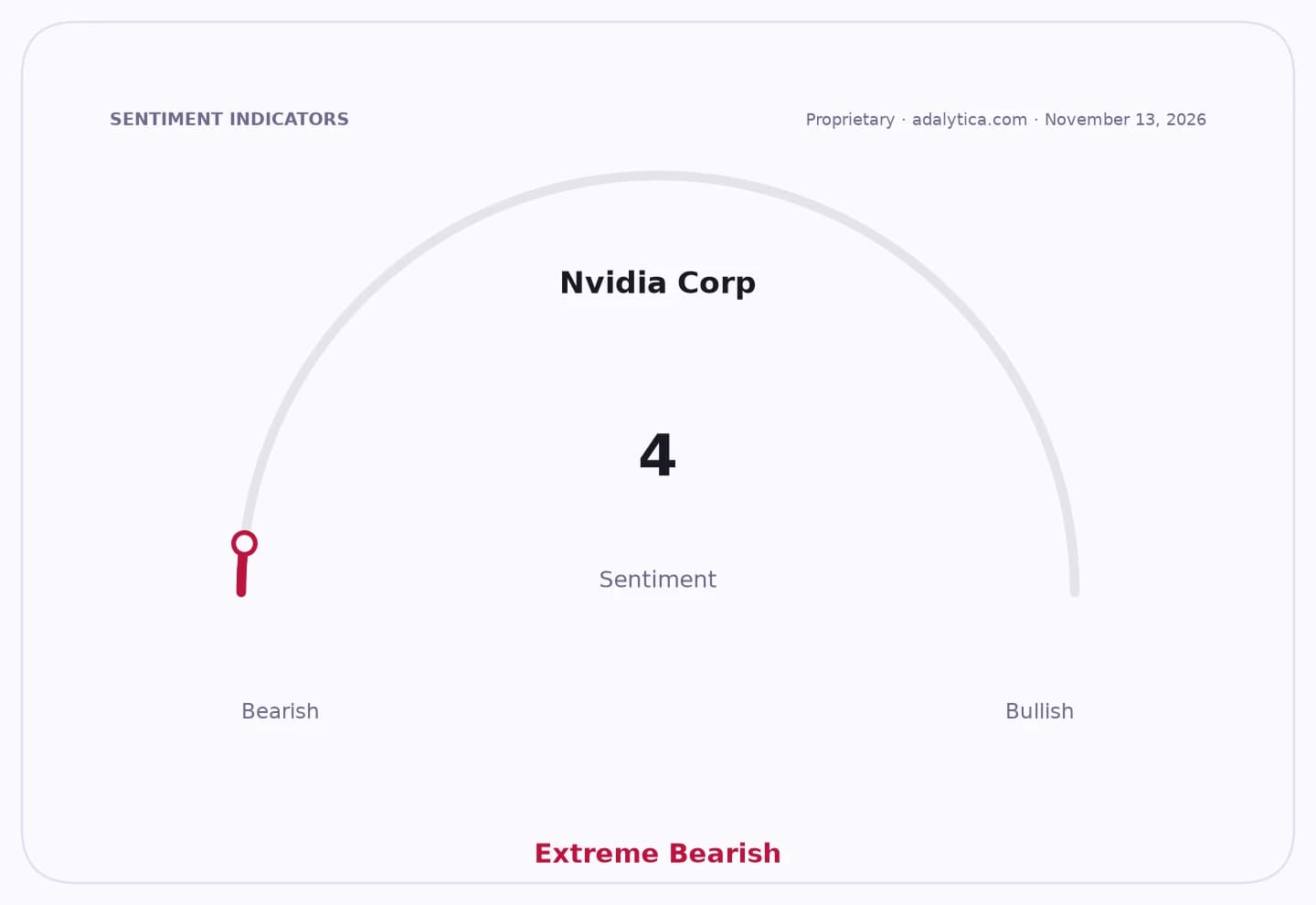
Sentiment Indicators
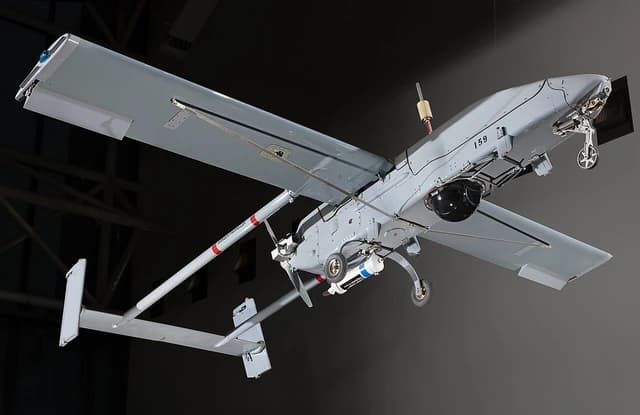
The agreement does not end the rivalry. If anything, it formalizes the next phase of competition: both sides want dominance, but both also recognize that an unbounded race could create strategic accidents. For investors, that is a crucial distinction. The market’s favorite AI names have been priced for relentless expansion, yet the newest evidence says the path may be more regulated, more defense-oriented and more concentrated in firms that can prove oversight, reliability and sovereign control.
That is why the market reaction in AI bellwethers matters. Nvidia has fallen to 125.53 from 235.20 in mid-May, with its relative strength index deep in oversold territory and its shares well below the 50-day moving average. Microsoft has slid to 484.52 from above 550 earlier this month, while Palantir has dropped to 143.49 from 201.72 in October. Those are not just charts breaking down; they are a reminder that the most crowded AI trades are also the most vulnerable when the narrative shifts from limitless acceleration to controlled deployment.
Artificial Intelligence
The opportunity, in my view, is not to abandon AI exposure but to move down the chain to the picks-and-shovels that benefit when governments insist on human oversight, secure infrastructure and mission-critical governance. That plays directly into defense contractors, classified cloud providers, cybersecurity vendors and software platforms built around auditability and control. If military AI must keep a human in the loop, then the winners are not simply the fastest model builders — they are the companies that can secure, monitor and integrate those models inside command structures.
Palantir sits closest to that thesis because its software is built for government and defense workflows where data governance and operational control matter more than consumer hype. Microsoft also remains important through its cloud and enterprise footprint, but its recent pullback reflects how much of that optimism is already embedded in the stock. Nvidia, meanwhile, remains the core enabler of AI infrastructure, yet it is also exposed to valuation compression when investors question whether every deployment can justify the same pace of spending.
The bigger message is geopolitical, not just sector-specific. A U.S.-China agreement on human control is effectively an admission that military AI can run ahead of policy. That should keep defense budgets, domestic compute investment and export-sensitive technology at the center of the market’s next AI leg. The trade is no longer just about who builds the best model. It is about who controls it, who secures it and who is trusted to put it into weapons, networks and decision systems without handing over the trigger to software.
| Entity | Gains | Losses |
|---|---|---|
| Defense contractors | ▲More AI-linked budgets | ▼Less policy uncertainty |
| Palantir | ▲Sovereign AI demand | ▼Hype premium risk |
| Microsoft | ▲Secure cloud relevance | ▼Near-term AI multiple pressure |
| Nvidia | ▲Compute demand | ▼Speculative AI froth |