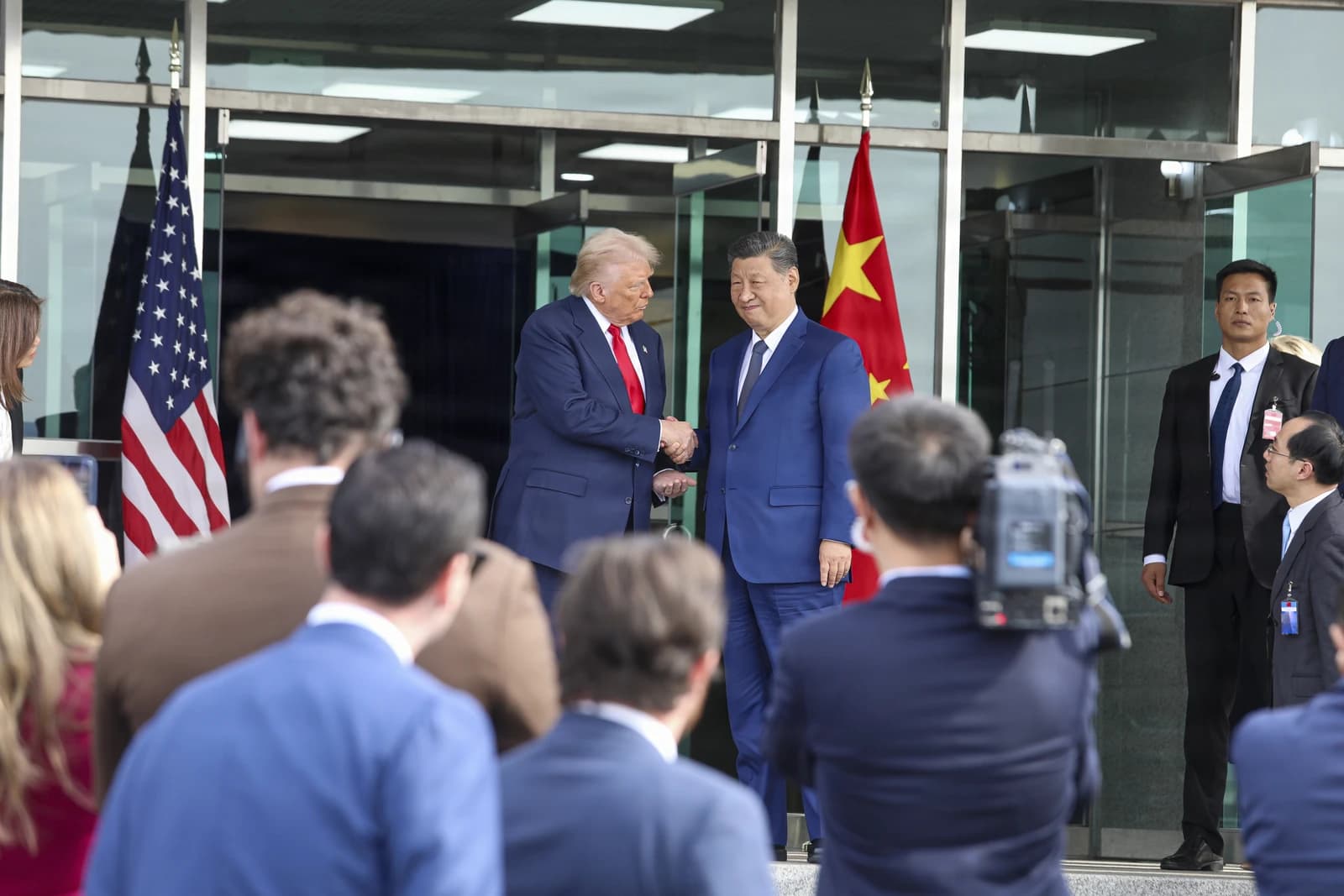
President Donald Trump and Chinese President Xi Jinping agreed that humans should remain in control of military artificial intelligence decisions, a rare point of alignment that matters because it could shape how quickly the world’s two biggest powers weaponize AI and how tightly governments move to police the technology.
Trump and Xi Agree on Human Control in Military AI
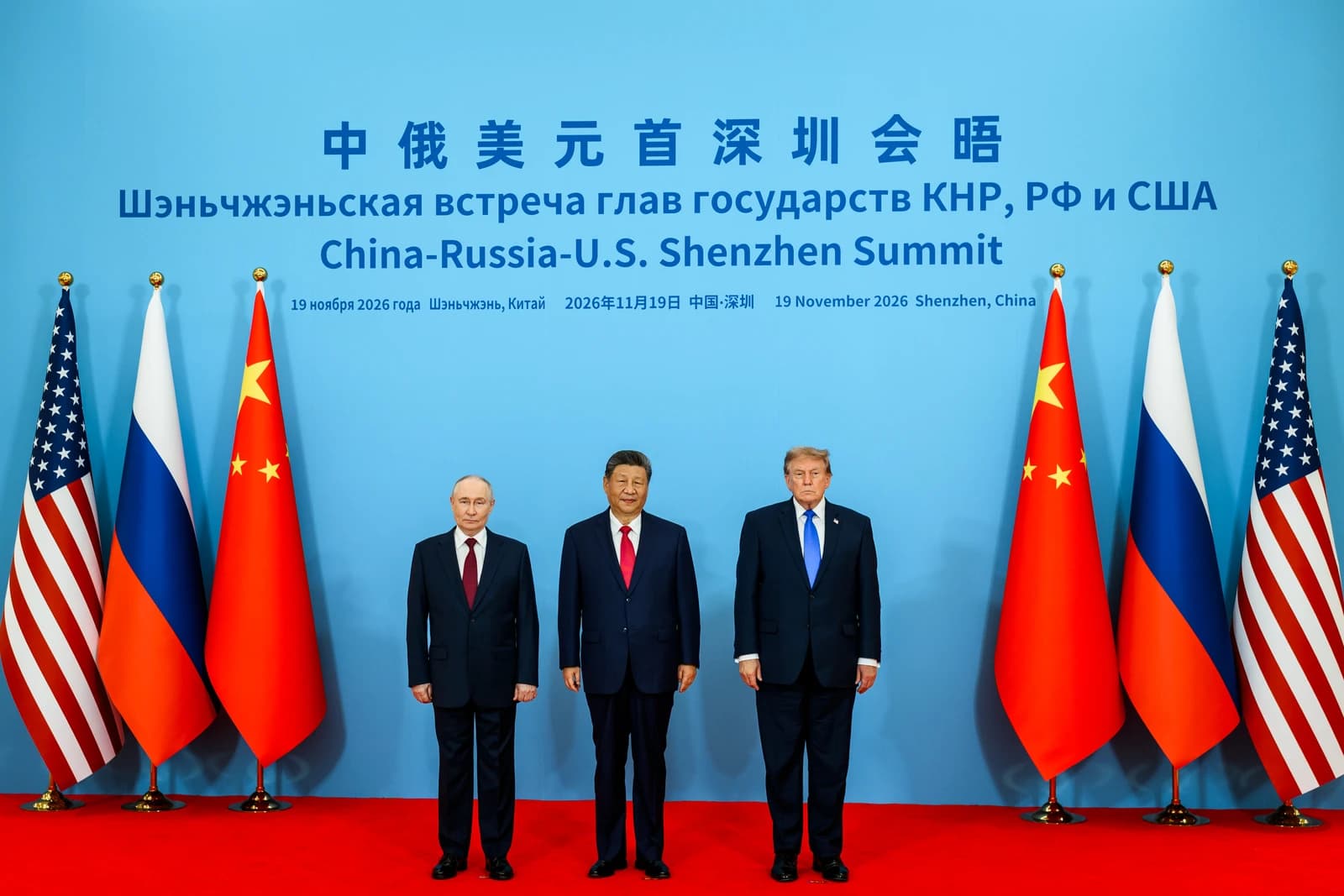
The agreement, described by Treasury Secretary Scott Bessent, lands as Washington and Beijing both race to harness AI for defense while trying to limit the chance of an autonomous system making a lethal mistake. That makes the issue more than a diplomatic talking point: it goes to the pace of military procurement, the scope of AI regulation and the valuation of companies selling chips, software and defense systems tied to autonomous decision-making.
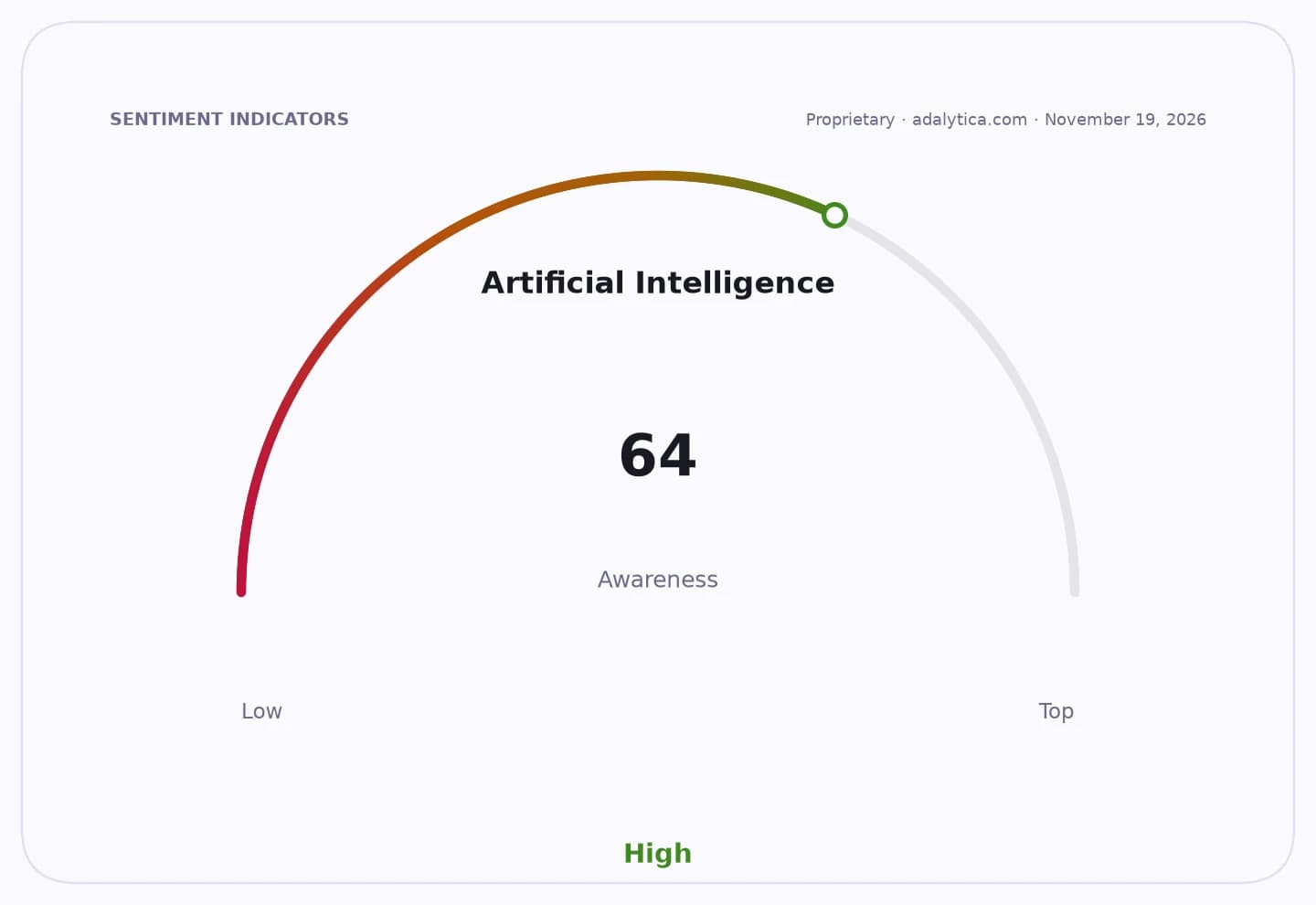
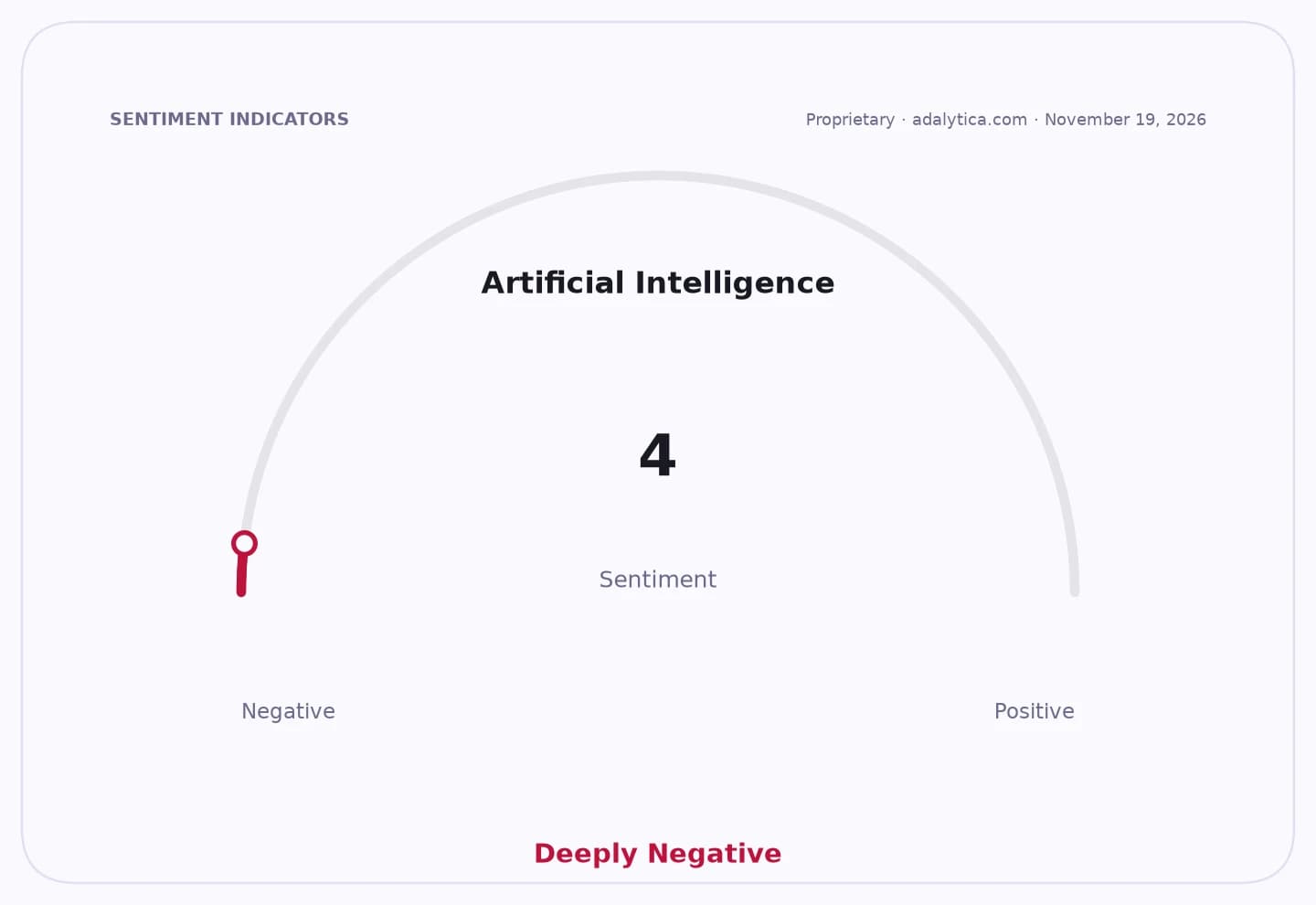
Sentiment Indicators
Artificial Intelligence
For investors, the significance is twofold. First, a shared human-oversight principle lowers near-term odds of an uncontrolled AI arms-race narrative that could trigger harsher blanket restrictions on model deployment and advanced semiconductors. Second, it reinforces that any military AI spending that does proceed is likely to favor “human-in-the-loop” systems — software, sensors, command-and-control layers and compute infrastructure — rather than fully autonomous strike platforms.
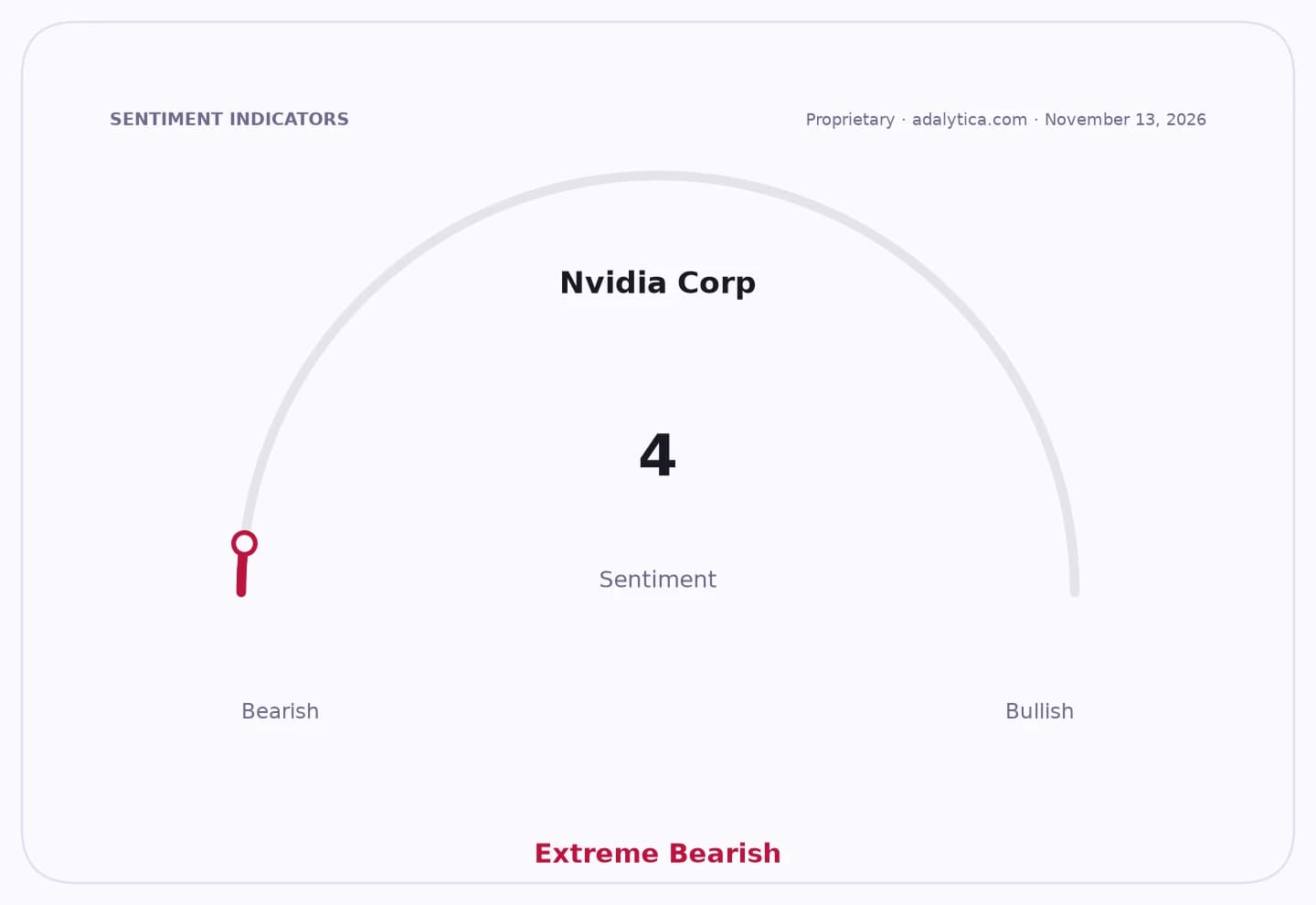
That distinction matters for names across the sector. Nvidia, whose shares have been battered in recent sessions and now trade far below their recent highs, remains exposed to the broader debate because advanced chips sit at the center of military and dual-use AI infrastructure. Microsoft, which has also retreated from its highs, is tied more indirectly through cloud and enterprise AI workloads that could be pulled into defense contracts or restricted by governance rules. Lockheed Martin and other defense primes stand to benefit if policymakers push demand toward systems that augment human judgment instead of replacing it.
The backdrop is a rising policy response to AI misuse. A recent U.S. government investigation found four leading AI platforms could provide verified instructions for mass-casualty attacks, underscoring why governments are gravitating toward stricter oversight. That increases the odds of new rules on model training, deployment and export controls, and it gives both Washington and Beijing a common language for setting boundaries even as strategic competition continues.
The market is already pricing a harsher risk regime. Adalytica’s AI sentiment gauge sits in “Extreme Fear” even as awareness remains elevated, while Nvidia’s own earnings sentiment has also softened sharply. That reflects investor concern that regulation, security reviews and geopolitical friction could delay monetization in parts of the AI stack that had been expected to scale rapidly.
For now, the likely outcome is not a slowdown in military AI spending but a reallocation of it. Human oversight requirements would favor companies that can prove compliance, traceability and control, while punishing pure-play autonomous bets. The next catalysts are likely to be U.S.-China follow-up talks, any new congressional AI oversight proposals and defense budget language that spells out where human authorization remains mandatory.
| Entity | Gains | Losses |
|---|---|---|
| Defense primes | ▲More demand for human-in-loop systems | ▼Fully autonomous platforms |
| Nvidia and chip suppliers | ▲Continued dual-use AI demand | ▼Risk of tighter export scrutiny |
| U.S. and China governments | ▲Political cover for oversight | ▼Freedom to deploy unchecked autonomy |
| AI model developers | ▲Clarity on compliance rules | ▼Faster rollout of high-risk use cases |