Nvidia chips at YTL’s Johor data center were reportedly run for Alibaba, and that is a much bigger problem for investors than a single corporate arrangement in Southeast Asia. It suggests the market for advanced AI hardware is still finding ways around Washington’s attempt to wall off China from the most powerful chips, keeping export controls, compliance risk and geopolitical scrutiny squarely on the revenue engines of Nvidia and its customers.
Nvidia chips at YTL site linked to Alibaba use
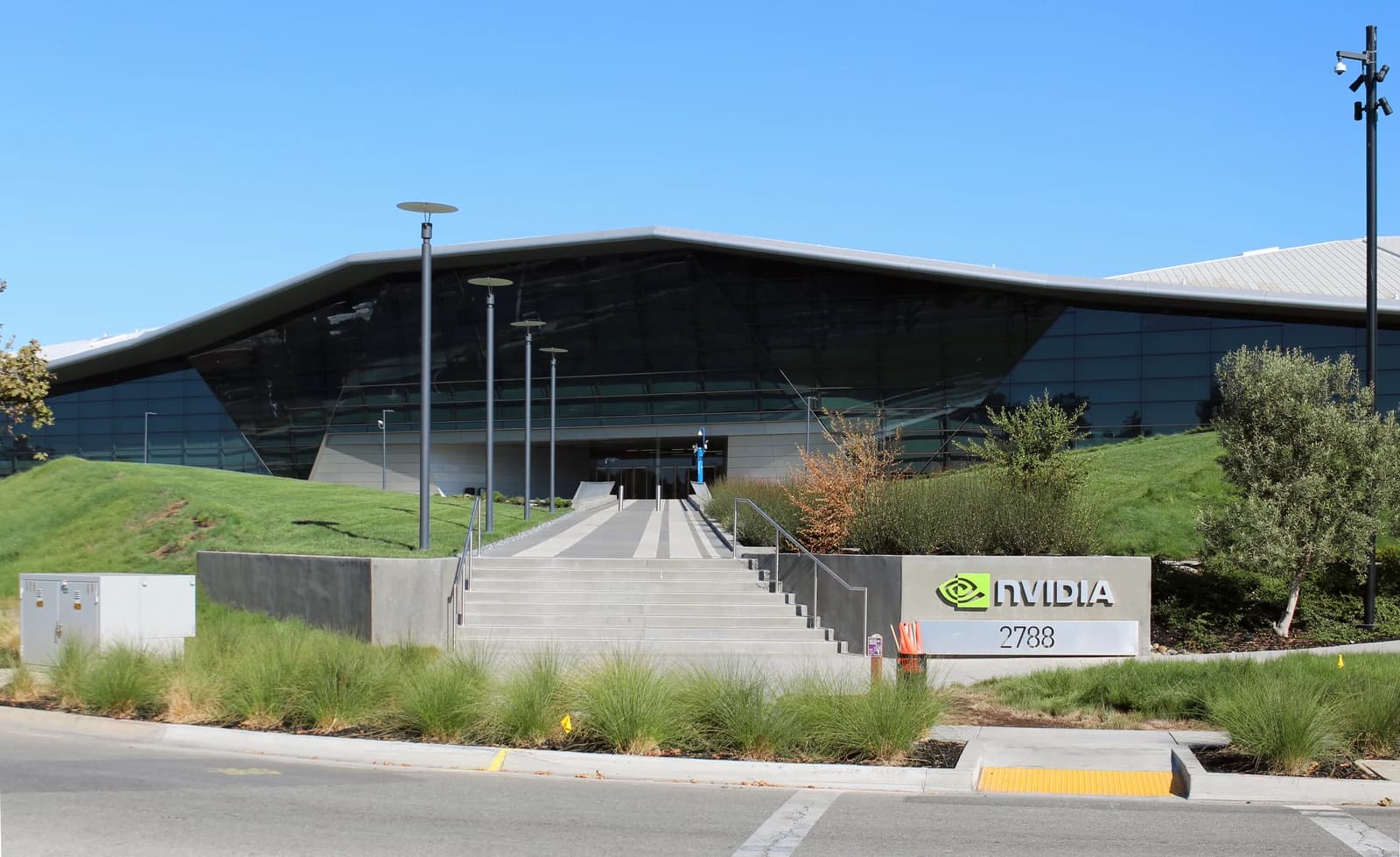
The New York Times, citing people familiar with the project, reported that Speedmatrix, a subsidiary of Singapore-based Megaspeed, operated the chips inside YTL’s Malaysian facility on Alibaba’s behalf. That matters because U.S. rules were designed to prevent Chinese companies from remotely accessing precisely this kind of advanced compute. If the report is accurate, it shows how AI infrastructure has become a cross-border game of legal structure, financing and cloud access rather than a simple case of chip sales and delivery.
Sentiment Indicators
For investors, the economic significance runs far beyond YTL’s share price. AI demand is still enormous, but so is the risk that the next wave of growth gets entangled in tighter enforcement, delayed deployments or retroactive restrictions. The NYT said Washington has already tightened rules to stop companies such as Alibaba from remotely accessing Nvidia chips. That means the long-term prize in AI remains intact, but the path to monetizing it is getting more complicated for chipmakers, data center operators and cloud platforms that serve Chinese customers through third countries.
The report also points to a deeper structural issue in the global AI supply chain. Johor has become one of the world’s largest computing hubs, drawing in both American and Chinese customers because Malaysia offers a practical middle ground: skilled enough, connected enough and far enough from direct U.S.-China confrontation to keep projects moving. But the same geography that makes Malaysia attractive also makes it vulnerable to scrutiny. If overseas data centers are being used to train models for Chinese firms, or even for military-linked research, regulators in Washington are likely to respond with more pressure, more audits and more restrictions.
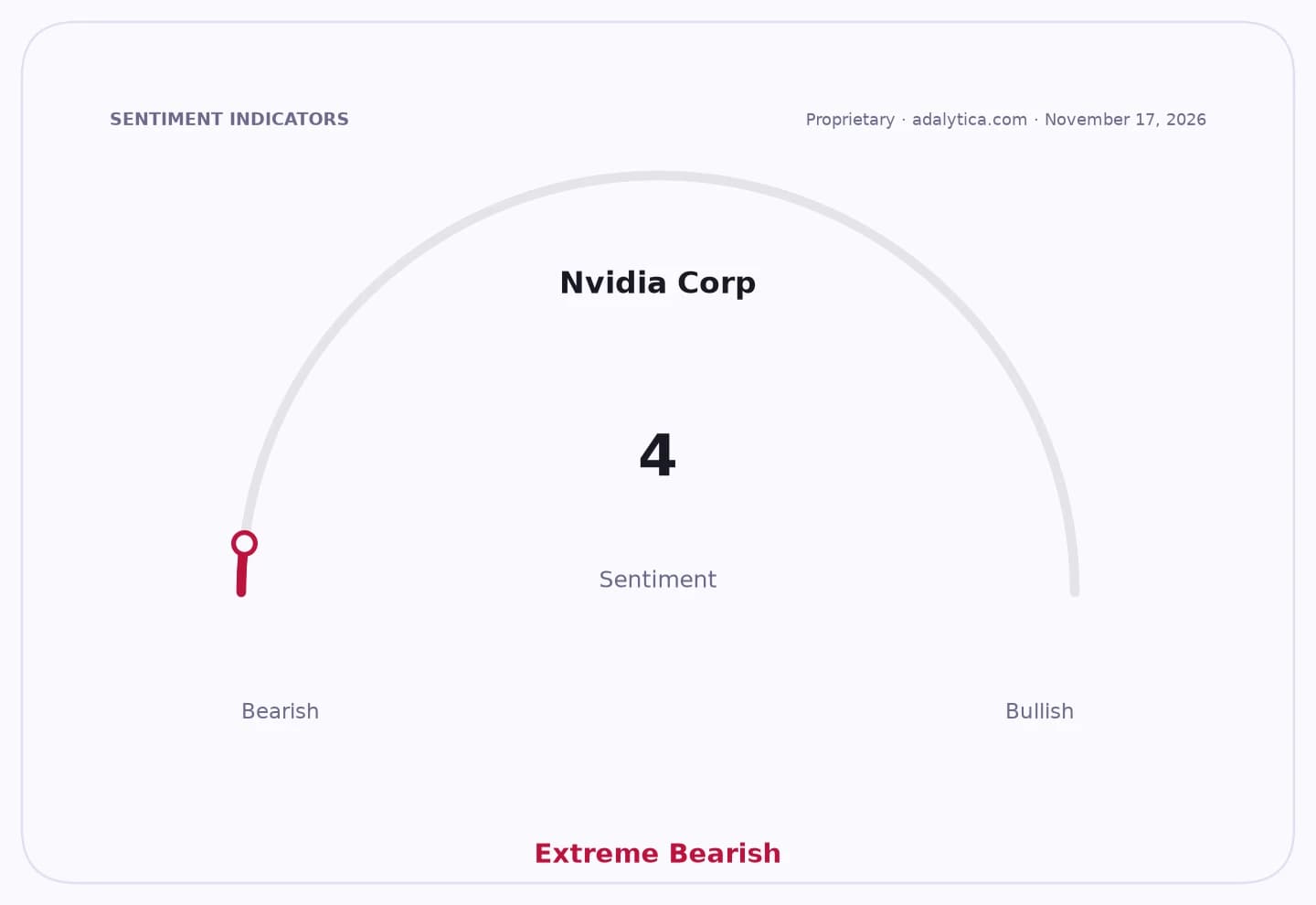
That is where the investor story gets most interesting. Nvidia’s long-term bull case rests on explosive demand for AI infrastructure, but a meaningful chunk of that opportunity depends on customers being able to buy, deploy and use its chips without political interference. The stock has already been punished sharply, and the recent technical backdrop reflects that stress: Nvidia has dropped well below its 50-day moving average and 200-day moving average, while RSI readings have fallen into deeply oversold territory. That tells you sentiment is fragile, not that the business has lost its strategic importance.
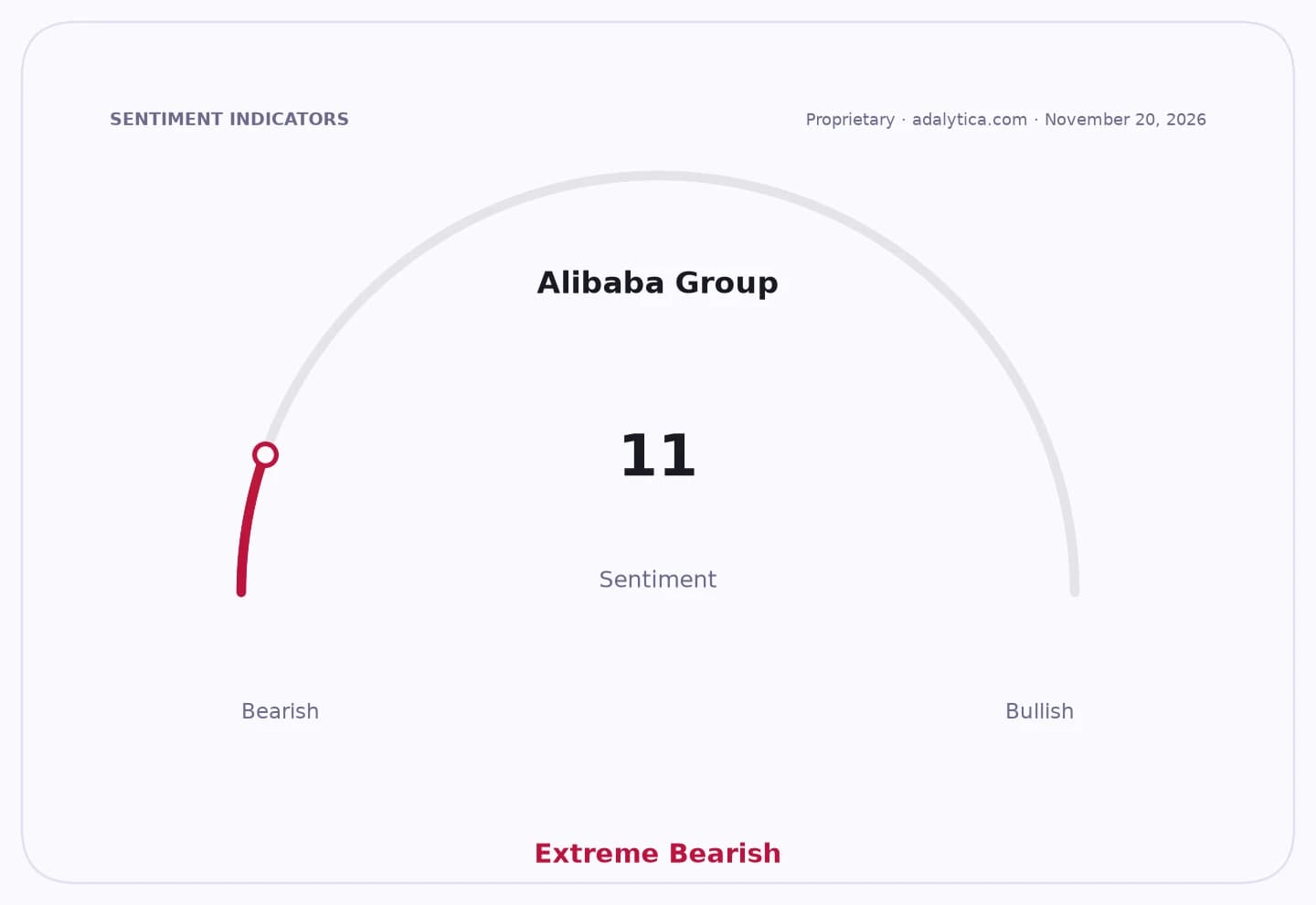
Alibaba faces a different but equally important risk. The company has spent years building its cloud and AI franchise, and offshore compute access can help it keep pace even as direct chip access is constrained. But if regulators conclude that overseas facilities are effectively serving as back doors to restricted hardware, Alibaba could face fresh operational limits, reputational damage or a more restrictive cloud business model. That would matter for a company whose long-term investment case depends on restoring growth and proving it can compete in AI without constant geopolitical drag.
YTL, meanwhile, is the most immediately visible casualty. The report said its shares fell about 20% over two weeks as scrutiny of Megaspeed’s operations grew. For a data center operator, the market will tolerate heavy capex if the customer base is sticky and the contracts are clean. It will not tolerate being dragged into a sanctions or export-control probe. In that sense, YTL’s problem is not just a stock move; it is a reminder that in the AI buildout, landlord risk can become geopolitical risk almost overnight.
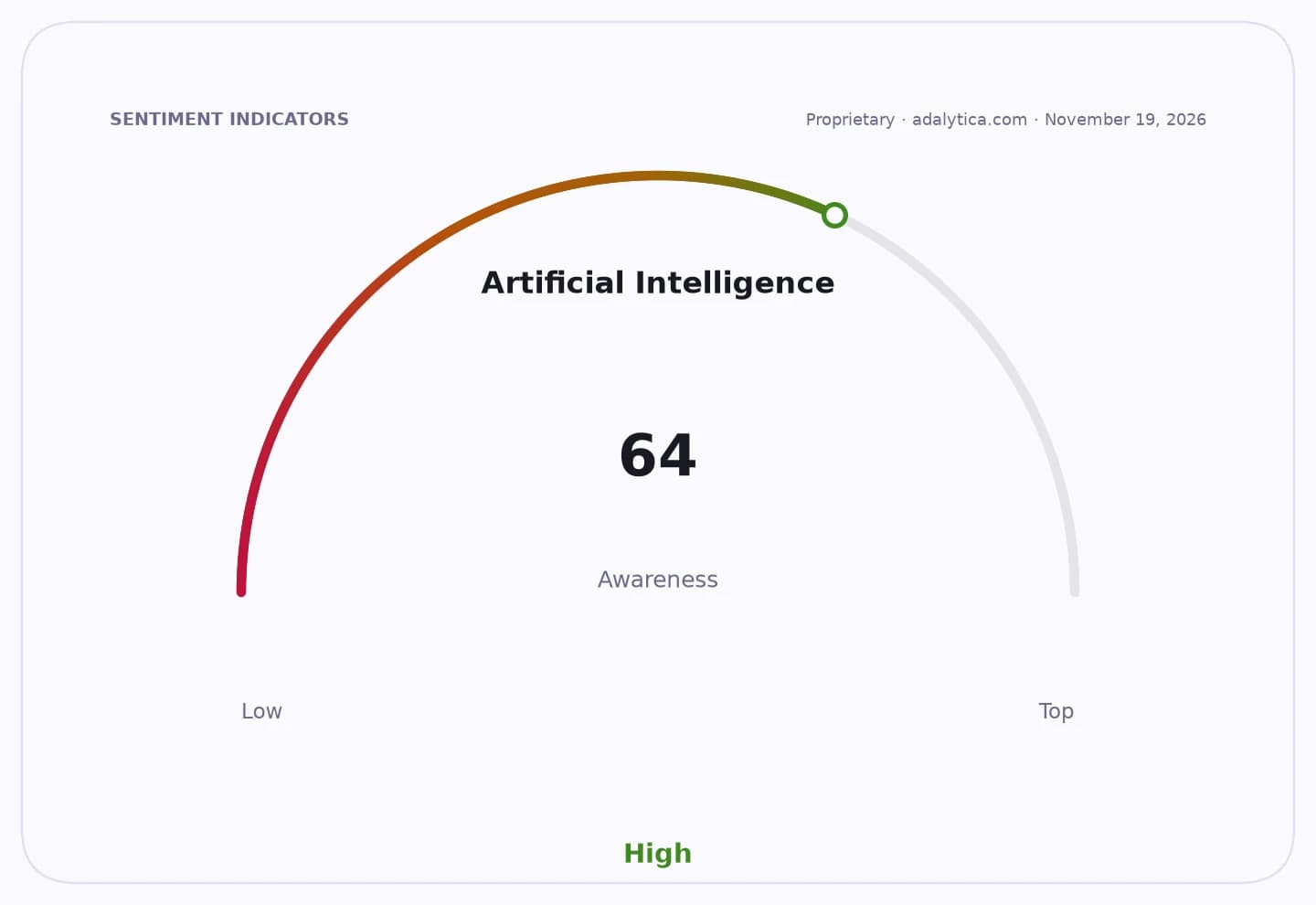
There is still an optimistic long-term investment lesson here. The AI cycle is not breaking; it is maturing. As money floods into data centers, chips and networking, the best capital allocators will be the companies that can navigate regulation as well as technology. That favors firms with strong compliance, diversified customer bases and the balance sheet to weather policy shocks. For long-term investors, this is exactly why the AI theme should be owned broadly rather than concentrated in a single name or region.
The bigger takeaway is simple: the AI infrastructure boom is no longer just a race to build more compute, but a race to build it in a way that survives export controls. That should keep volatility high, but it also keeps the strategic value of Nvidia, Alibaba’s cloud push and the broader data center ecosystem intact. For patient investors, the story is worth watching closely — and worth treating as a reminder to stay diversified, because the winners in AI will be the ones that can compound through the politics as well as the profits.
| Entity | Gains | Losses |
|---|---|---|
| Nvidia | ▲Continued global AI demand | ▼Export-control scrutiny |
| Alibaba | ▲Offshore access to AI compute | ▼Regulatory backlash risk |
| YTL | ▲Data-center utilization | ▼Share price and compliance risk |
| U.S. regulators | ▲Stronger enforcement leverage | ▼Slower cloud and chip flow |