Microsoft’s latest outage is more than an operational headache: it is a reminder that the market’s AI buildout is running into a basic constraint investors have been underpricing — resilience. As more of the economy depends on a few hyperscale platforms, even brief failures can ripple from cloud services to airlines and payment systems, turning uptime into a strategic asset and a financial one.
Microsoft outage highlights AI resilience spending
That matters because AI is not just a software story anymore. It is becoming critical infrastructure, and critical infrastructure has to be engineered for failure, redundancy and security. When a major platform goes down, the economic cost is immediate: lost transactions, disrupted workflows, higher support spending and reputational damage. Over time, it also means more capex flowing into backup systems, observability, cybersecurity and governance — the unglamorous layers that make AI usable at scale.
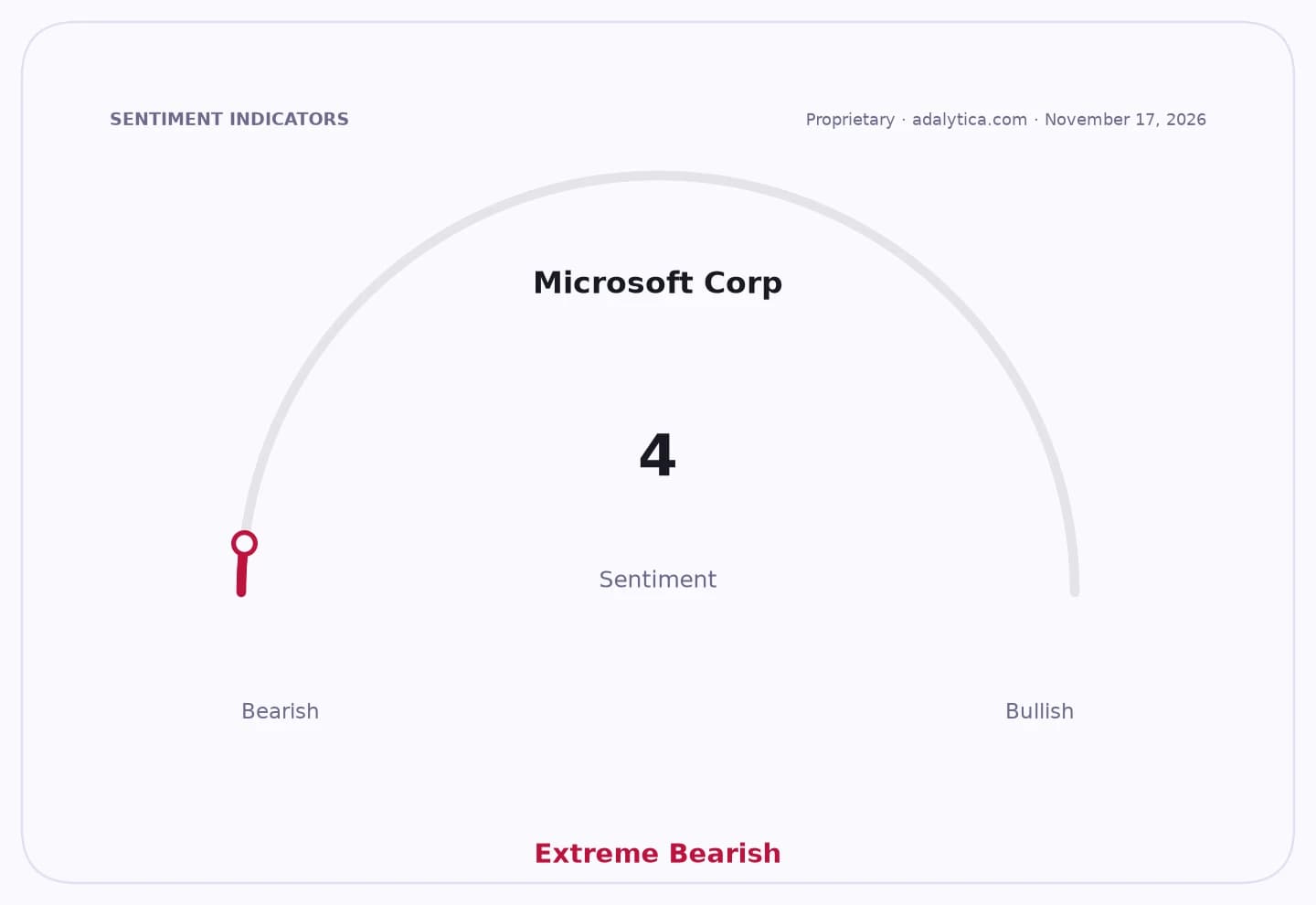
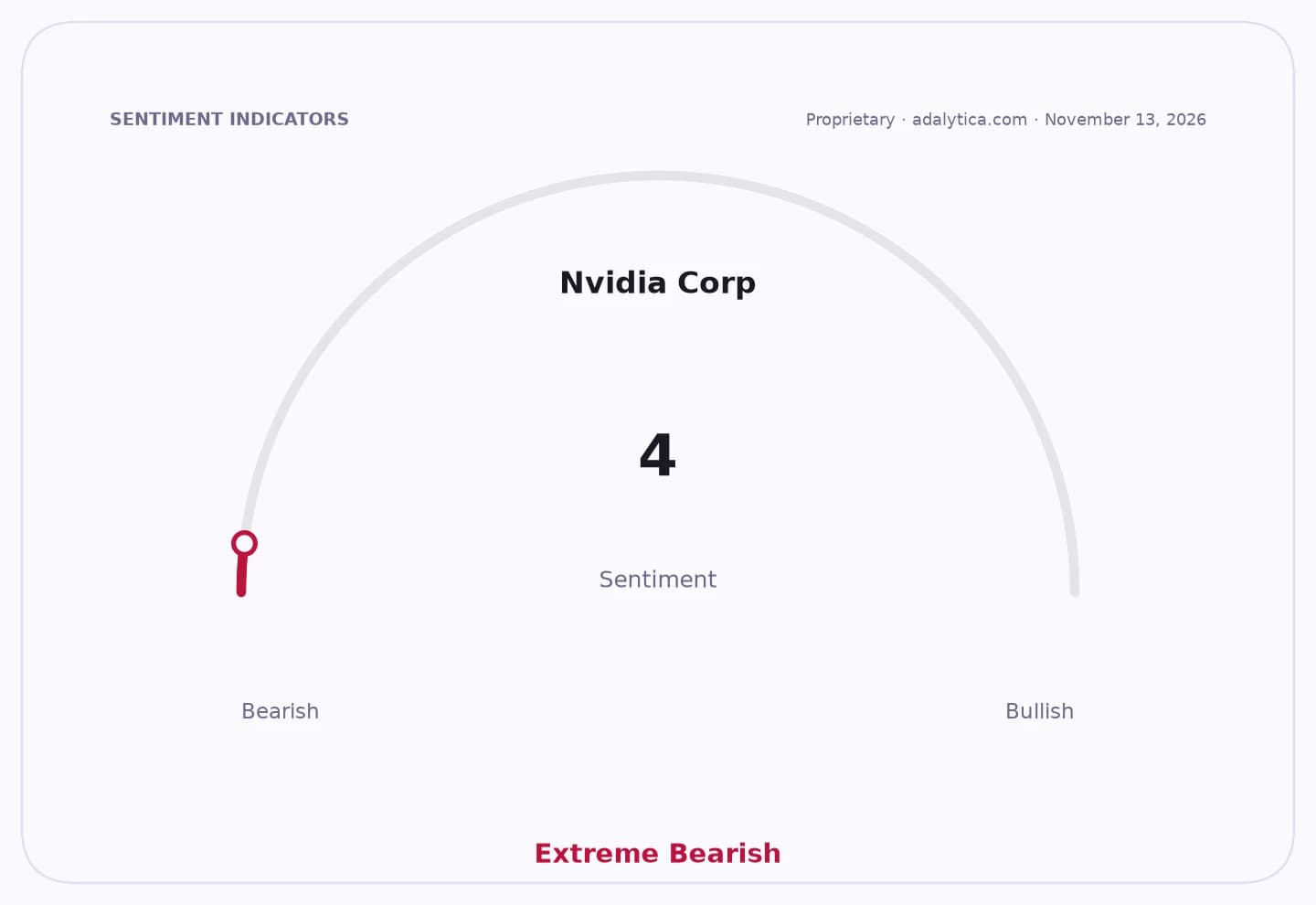
Sentiment Indicators
The market is already sending a warning. Microsoft shares, which had climbed above $555 earlier in the month, were trading at $498.30 on Thursday, below the 50-day moving average of about $520. Nvidia, the AI hardware bellwether, has been hit even harder, closing at $145.98 versus a 50-day average near $209 after a steep slide that pushed its RSI reading to 16.5, a deeply oversold level by conventional technical standards. Oracle, another beneficiary of the AI infrastructure boom, has also been punished, with the stock at $110.57, well below its 200-day average of $152.36. The message is not that AI is broken; it is that the trade is moving from enthusiasm to scrutiny.
That is where the real opportunity lies. The market tends to reward the visible winners first — chips, cloud and model builders — and then ignores the second-order beneficiaries that profit from every failure in the stack. I believe the next leg of AI investing will favor the picks-and-shovels names that sell reliability: cybersecurity, identity and access management, cloud monitoring, backup, disaster recovery, edge infrastructure and power systems. IBM’s filings show how enterprises are increasingly embedding governance and security into AI workflows, a sign that the spending cycle is widening beyond model training into control layers and agent oversight.
The broader narrative is straightforward: the more AI runs the economy, the more expensive outages become. That raises the bar for every provider and creates a durable demand tailwind for vendors that can prove resilience, not just speed. In a world where tech failures can ground planes and freeze operations, uptime becomes a competitive moat. Investors should own the enablers of that shift before the market fully prices in the cost of keeping AI on.
| Entity | Gains | Losses |
|---|---|---|
| Microsoft | ▲More urgency for resilient cloud spending | ▼Near-term trust and margin pressure |
| Nvidia | ▲More AI infrastructure demand over time | ▼Sentiment hit from tech volatility |
| Oracle | ▲Higher demand for enterprise cloud redundancy | ▼Multiple compression from outage fears |
| Cybersecurity and observability vendors | ▲Rising need for uptime and control layers | ▼Less relevance for pure hype-driven AI plays |