A new generation of wealthy tech founders and heirs is pushing private aviation into a faster-growing, more exclusive tier, with Flexjet saying its customer base has tilted younger and its business is expanding about three times as fast as the wider market.
Flexjet Says Younger Wealthy Buyers Are Driving Growth
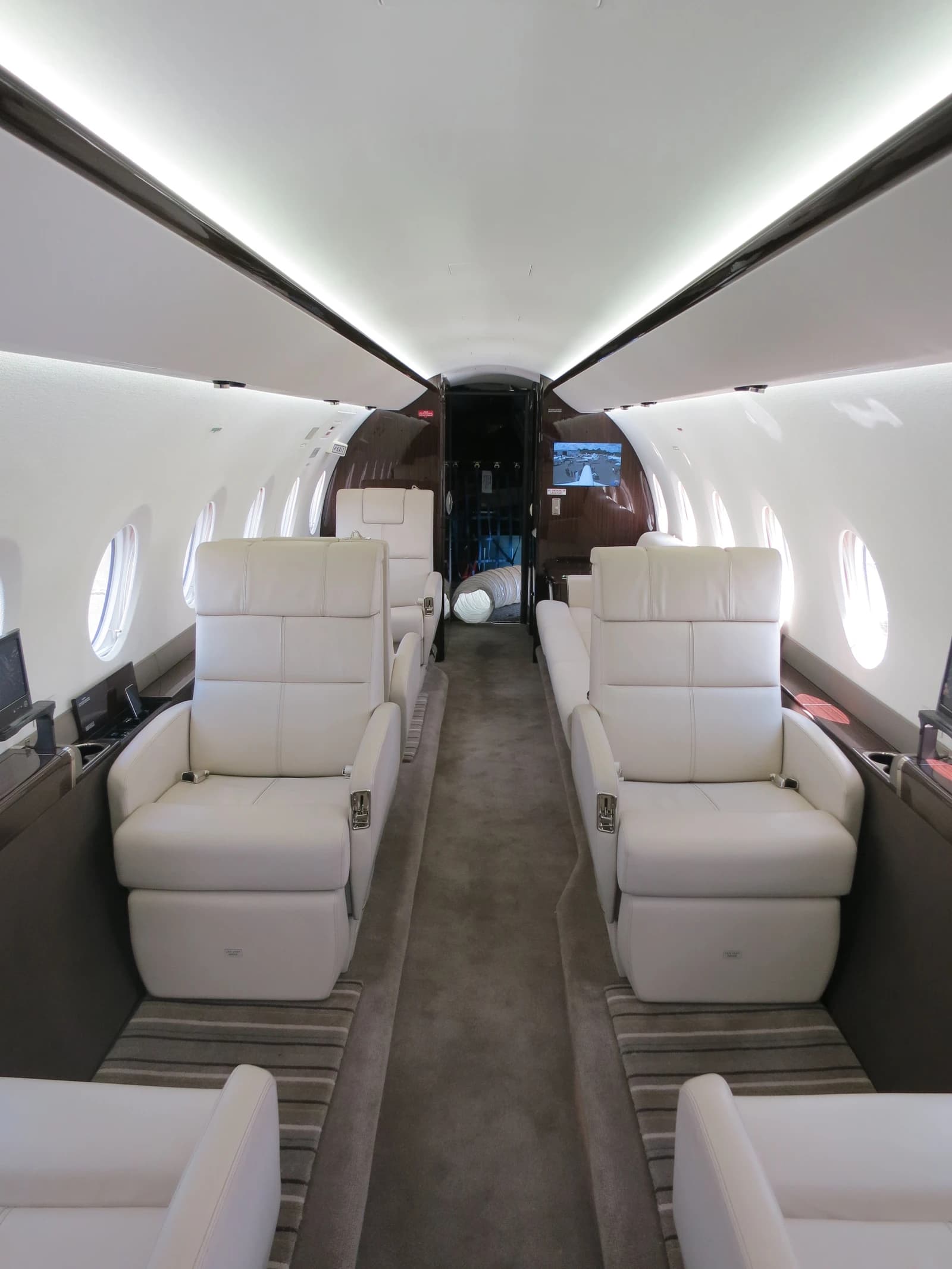
That shift matters because it is changing the economics of the business. Rather than treating private flying as an occasional upgrade, affluent travelers are increasingly paying millions for fractional ownership, dedicated crews and private terminals, supporting a premium segment that is less exposed to the price competition shaping the broader charter market.
Flexjet, now the world’s second-largest fractional-ownership operator with about 350 aircraft and helicopters, is betting that the richest customers want an end-to-end luxury product, not just a seat in a jet. The company says it has about 3,000 owners and that its average customer age has fallen to the early 40s from above 50 a decade ago, reflecting the rise of younger tech entrepreneurs and inheritors with enough capital to customize travel to a degree once reserved for the ultra-elite.
The business model is lucrative because customers buy stakes in aircraft rather than chartering by the trip, creating recurring demand and higher switching costs. At the low end of Flexjet’s program, a one-sixteenth share in an Embraer Phenom 300 with 50 annual flight hours costs about $1 million, while a share in a larger Embraer Praetor 600 can run about three times that. That is before the added economics of fixed crews, helicopter access and premium ground infrastructure, all of which deepen customer lock-in and lift spending per owner.
The company is also building the physical network to match the spending power of its client base. In September, Flexjet opened a 2,000-square-meter private terminal at Farnborough, south-west of London, for $34 million, its first in Europe and one of nine dedicated terminals outside the US. The site underscores how private aviation is becoming less about aircraft ownership alone and more about controlling the entire travel experience, from security to boarding to branding.
For investors, the story goes beyond lifestyle excess. It points to a bifurcated market in which premium operators can still grow even as the broader aviation sector wrestles with cost pressure and price-sensitive demand. The contrast is visible in commercial aviation, where elevated jet fuel prices are squeezing airline margins and prompting fare increases and capacity adjustments, while wealthy flyers appear willing to absorb higher costs for privacy and convenience.
That split has implications for aerospace and business-aviation suppliers as well. Premium-heavy demand supports aircraft makers, completion centers and service providers tied to high-end cabin interiors, maintenance and charter infrastructure. Textron, which sells Citation jets and commercial turboprops, has already flagged that higher commercial turboprop volume and jet mix are helping aircraft revenues, while major OEMs such as Boeing face a more uneven demand backdrop and backlog risks from delivery delays and production disruptions.
Flexjet’s push into Europe also suggests the opportunity is no longer confined to the US, even if the company says most activity remains American. It says 50 to 60 transatlantic flights a week are typical, and its European fleet includes Praetor 600s and Gulfstream G650s, with London a key hub. The company’s ambition to add more private terminals, and eventually urban eVTOL links through Eve aircraft it ordered in Brazil, suggests it is positioning for a broader premium mobility network rather than a single-product charter business.
The bull case is straightforward: a wealthier, younger customer base is willing to spend disproportionately on time, privacy and status, and that can sustain high-margin growth. The bear case is that this remains a cyclical luxury business, vulnerable to asset values, travel sentiment and any slowdown in founder wealth creation. For now, though, the clearest message is that private aviation is no longer just for old money — and the companies serving the top of the market are trying to turn that shift into a durable advantage.
| Entity | Gains | Losses |
|---|---|---|
| Flexjet | ▲Higher-margin premium demand | ▼Price-driven competitors |
| Young tech founders/heirs | ▲Time savings, privacy, status | ▼Commercial airlines |
| Aircraft makers and cabin suppliers | ▲Demand for premium jets and interiors | ▼Discount-focused charter operators |
| Commercial airlines | ▲None | ▼High-fuel-cost pressure and affluent travelers |