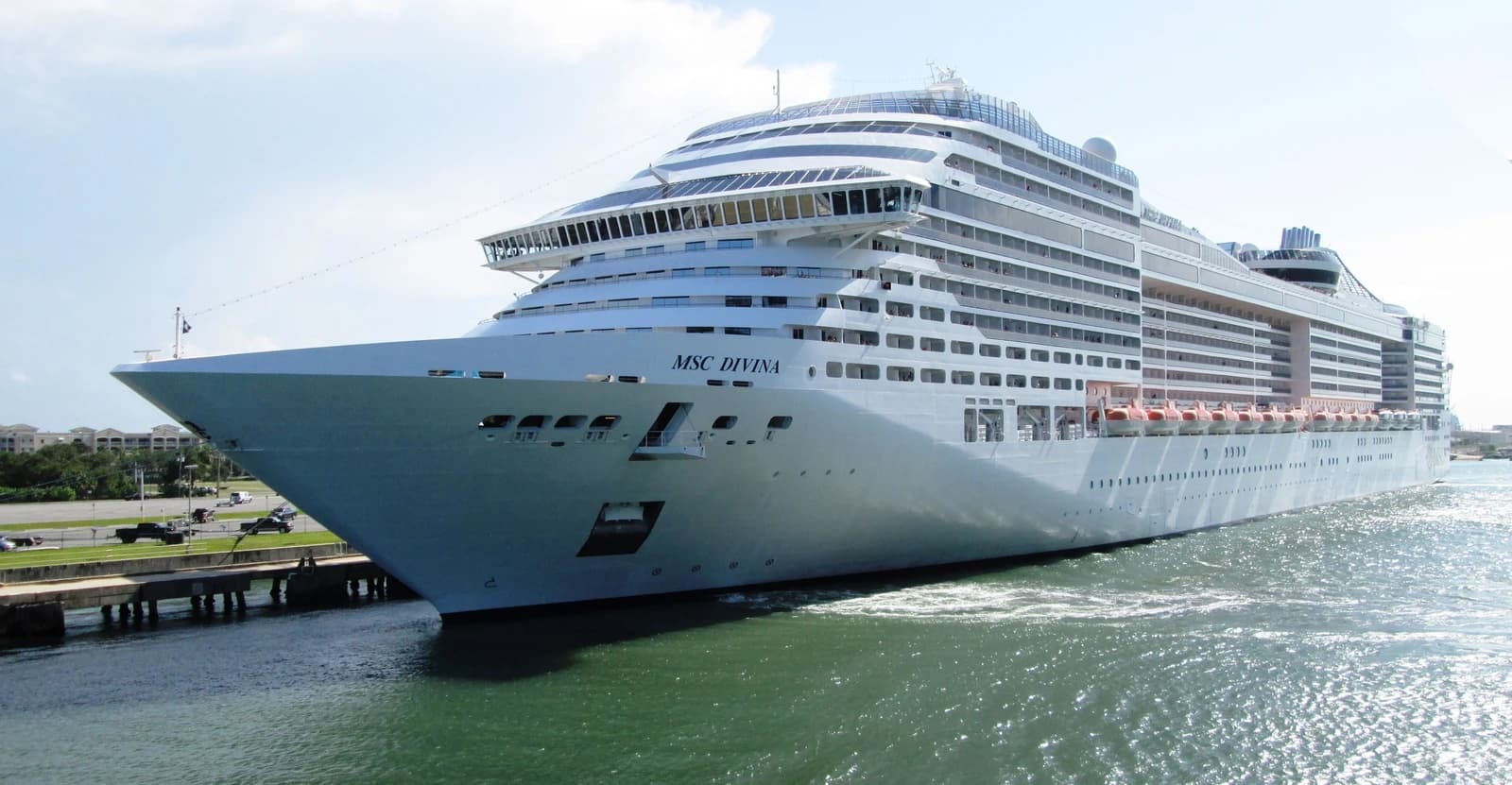
MSC Cruises is leaning on a rare form of continuity — a family network that spans decades and now stretches across four directors — as it prepares to bring the MSC World Asia into service in December and keep expanding one of the fastest-growing fleets in global cruising.
MSC Cruises World Asia set for December debut
That matters because cruise lines are capital-intensive businesses where execution, financing and brand control are inseparable. A tightly held governance structure can help MSC move faster on ship orders, route planning and long-term investment, even as the industry grapples with high debt loads, volatile fuel costs and the risk that overcapacity can quickly pressure pricing.
The World Asia has completed final sea trials, a key milestone that usually clears the way for delivery and commercial launch. For MSC, the new ship is part of a broader strategy to keep adding modern vessels that can command higher onboard spending and draw premium demand. In an industry where scale, fuel efficiency and product refresh cycles drive returns, newbuilds are not just fleet updates — they are competitive weapons.
The family connection is part of the story’s economic relevance. MSC has long been associated with the Aponte family, and the presence of four directors with family ties underscores how deeply the company’s operating philosophy remains rooted in concentrated ownership and continuity. That can be an advantage in a business that requires multi-year planning and patience through shipping cycles. It can also raise questions for investors about governance, transparency and how capital is allocated when expansion is funded largely from within a closely controlled structure.
For investors, the immediate implication is that MSC is still in growth mode while many rivals are more focused on balance-sheet repair and yield management. That can support market share gains if demand holds and the new ship enters service without delays. The risk is that the industry has seen this movie before: a wave of new capacity can boost earnings in the near term, then weaken pricing power if consumer demand softens or competitors follow with their own deliveries.
The stock-market read-through is uneven. Cruise operators and shipbuilders benefit when new vessels are delivered on time and the premium product mix lifts revenue per passenger. Suppliers and lenders also gain from the capital spending cycle. But existing ships, especially older or less efficient vessels, can lose relative appeal if MSC continues to refresh its fleet faster than peers.
With sea trials complete and debut set for December, the next catalyst is whether MSC World Asia enters service on schedule and whether the line can prove that family control and fleet expansion still translate into better returns rather than just bigger ships.
| Entity | Gains | Losses |
|---|---|---|
| MSC Cruises / Aponte family | ▲Fleet growth, tighter control | ▼Greater execution risk |
| New ship suppliers / shipyards | ▲Delivery revenue, order visibility | ▼Pressure if delays emerge |
| Cruise passengers | ▲Newer amenities, modern ship | ▼Higher fares if demand stays strong |
| Older cruise tonnage / rivals | ▲— | ▼Competitive share, pricing power |