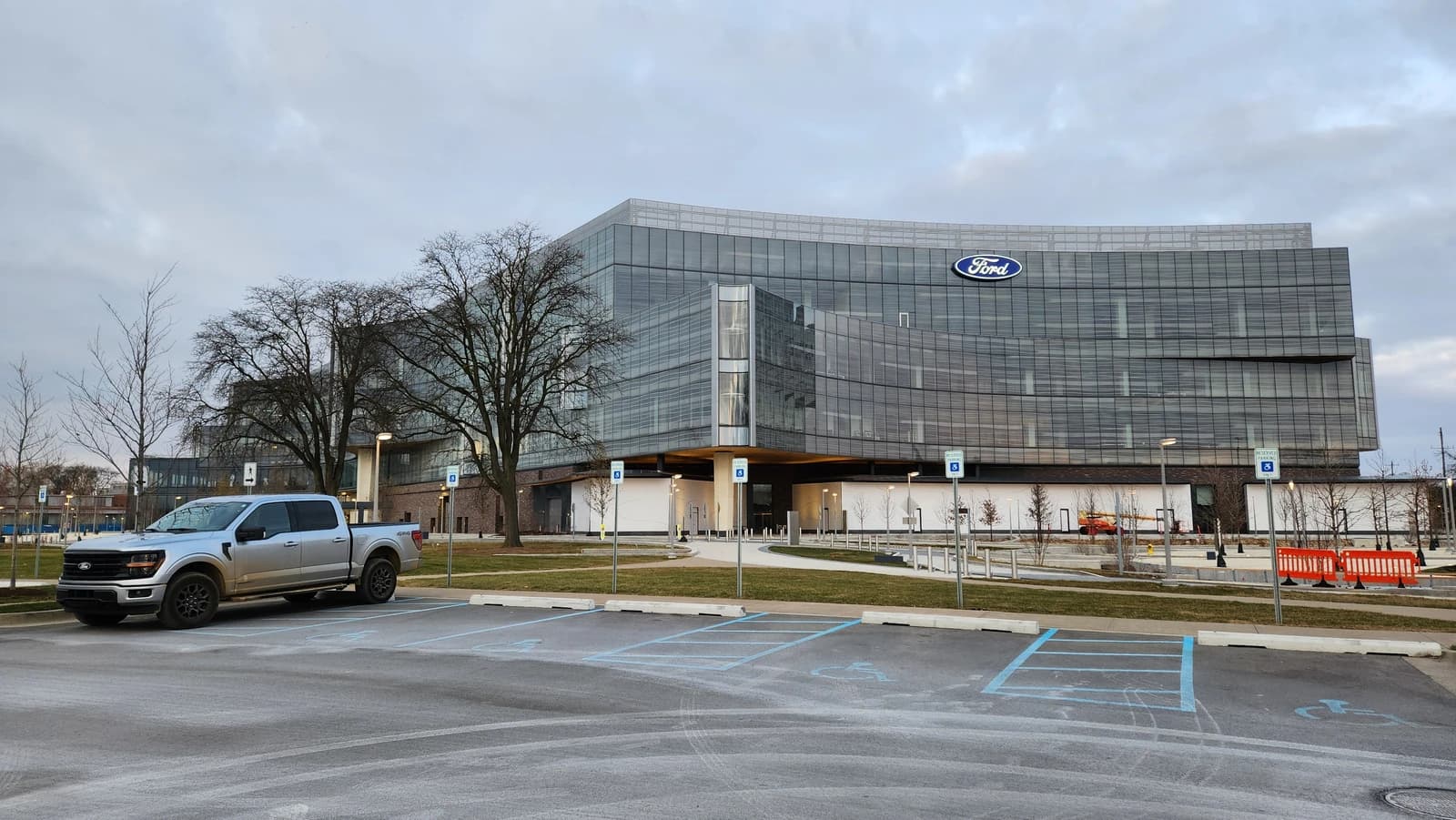
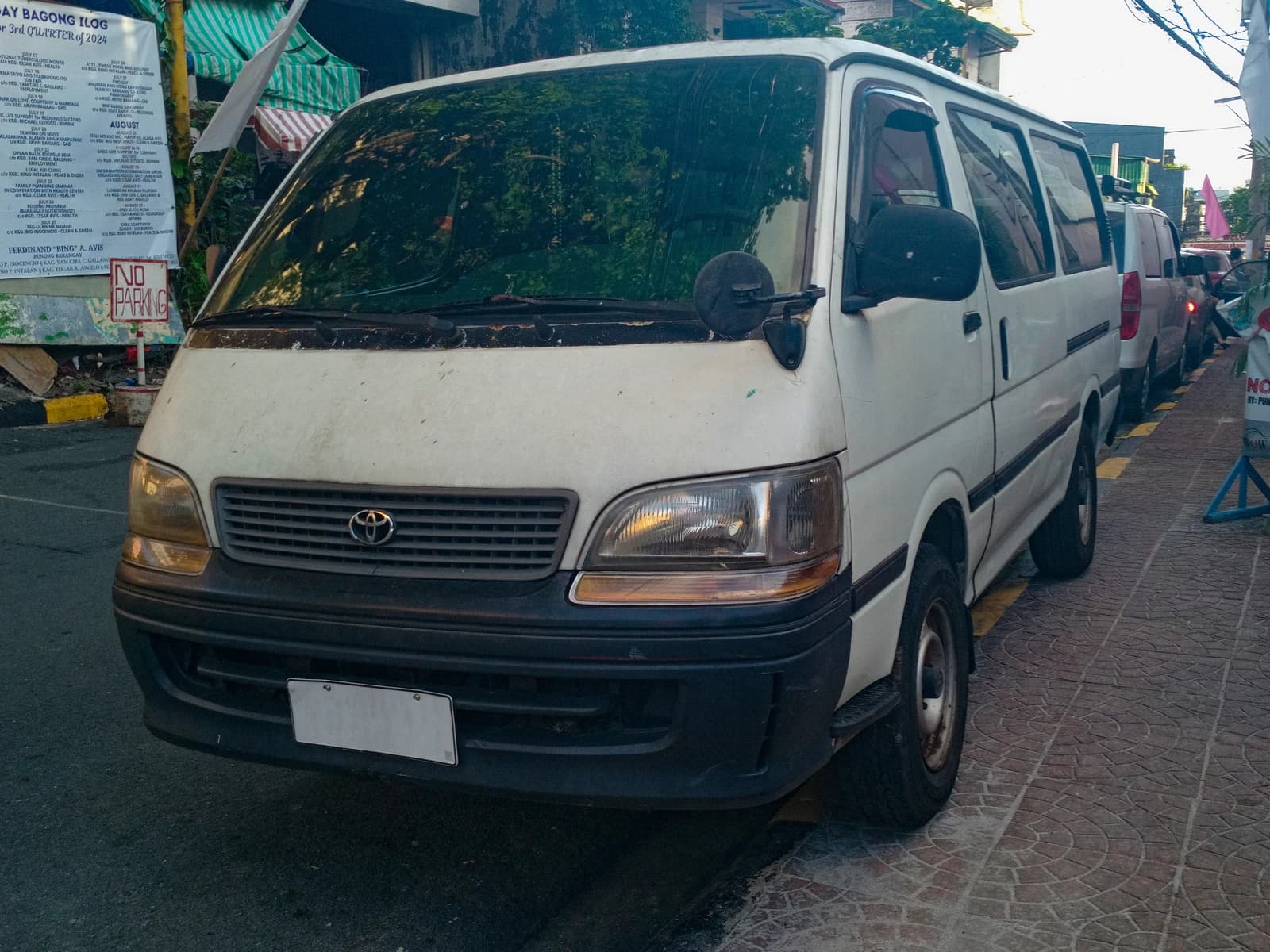
Ford is telling owners of some older Ford and Lincoln vehicles to stop driving them until airbag repairs are completed, a reminder that one of the auto industry’s most expensive safety failures is still creating risk for consumers and costs for the company years later.
Ford tells owners of older vehicles to stop driving
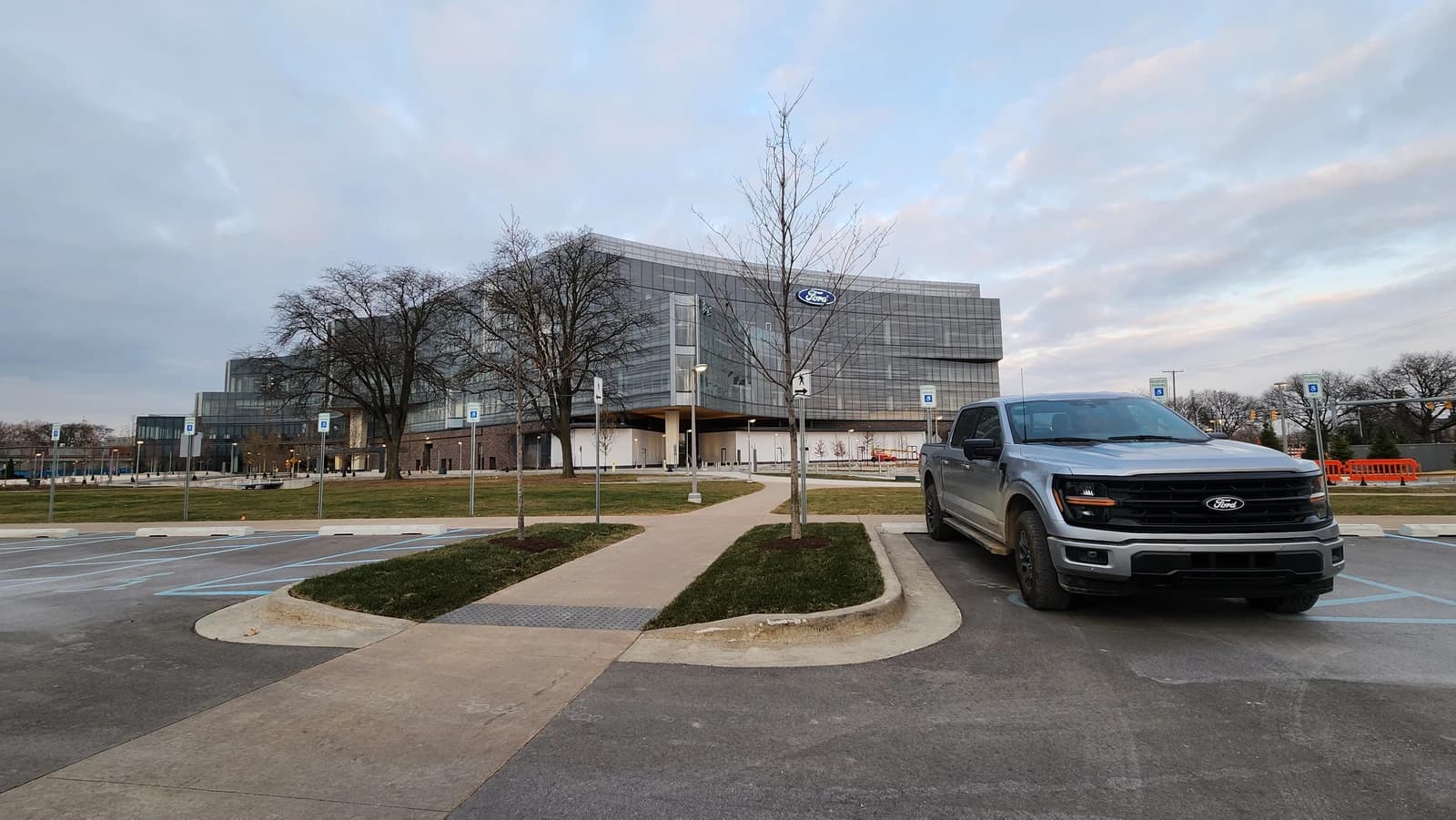
The move matters because this is not a routine recall notice. Ford said the advisory covers vehicles tied to three earlier recalls and affects about 765,600 inflators globally, including 374,300 in the U.S. The company says 95% of affected U.S. customers have already completed repairs, but the remaining cars pose an elevated danger as aging Takata inflators can rupture in a crash and spray metal fragments into the cabin.
Sentiment IndicatorsⓘProprietary · adalytica.com · October 4, 2026
This is a snapshot — live sentiment, awareness and momentum for 130+ markets update continuously in the dashboard.Open AlphaPulse
For investors, the story is less about direct financial damage today and more about what it says about Ford’s quality-control burden, brand reputation and ongoing recall overhang. Automakers do not want safety headlines to become a recurring drag on consumer trust, dealer operations or warranty costs, especially when they are already managing a capital-intensive transition in trucks, EVs and software. Ford said replacement parts are available and dealers can tow vehicles in for repair or arrange mobile service, which should help limit disruption.
The affected models include older Ranger, Mustang, GT, Fusion, Mercury Milan, Lincoln MKZ and Zephyr vehicles, along with Edge and MKX crossovers. In practice, that means the advisory is aimed at a shrinking pool of vehicles, but these recalls often linger because owners are hard to reach and many vehicles are now more than a decade old. Ford said it has made more than 121 million attempts to notify U.S. customers and will continue monthly outreach.
The broader narrative is familiar: Takata’s collapse may be long past, but its legacy still reaches into balance sheets and garages across the auto industry. More than 100 million vehicles worldwide have been recalled for Takata inflators, and the scandal has been linked to more than 30 deaths since 2009. For Ford, the immediate priority is simple — get the last owners into dealerships before a preventable injury turns into a fresh headline. For long-term investors, the more important lesson is that durable franchises are built not just on sales growth, but on safety execution, supplier discipline and the ability to keep trust intact.
| Entity | Gains | Losses |
|---|---|---|
| Ford dealers | ▲Service traffic | ▼Short-term customer friction |
| Ford owners who repair now | ▲Safer vehicles | ▼Inconvenience and downtime |
| Ford | ▲Reduced liability risk | ▼Reputation pressure |
| Takata legacy vehicles | ▲Repair completion | ▼Higher scrutiny and recall costs |