Ford’s 2026 Bronco refresh is less about reinvention than protecting one of the automaker’s clearest profit-driving nameplates, as the off-road SUV continues to command strong demand and premium pricing in a crowded utility-vehicle market.
Ford Bronco 2026 refresh lifts pricing power
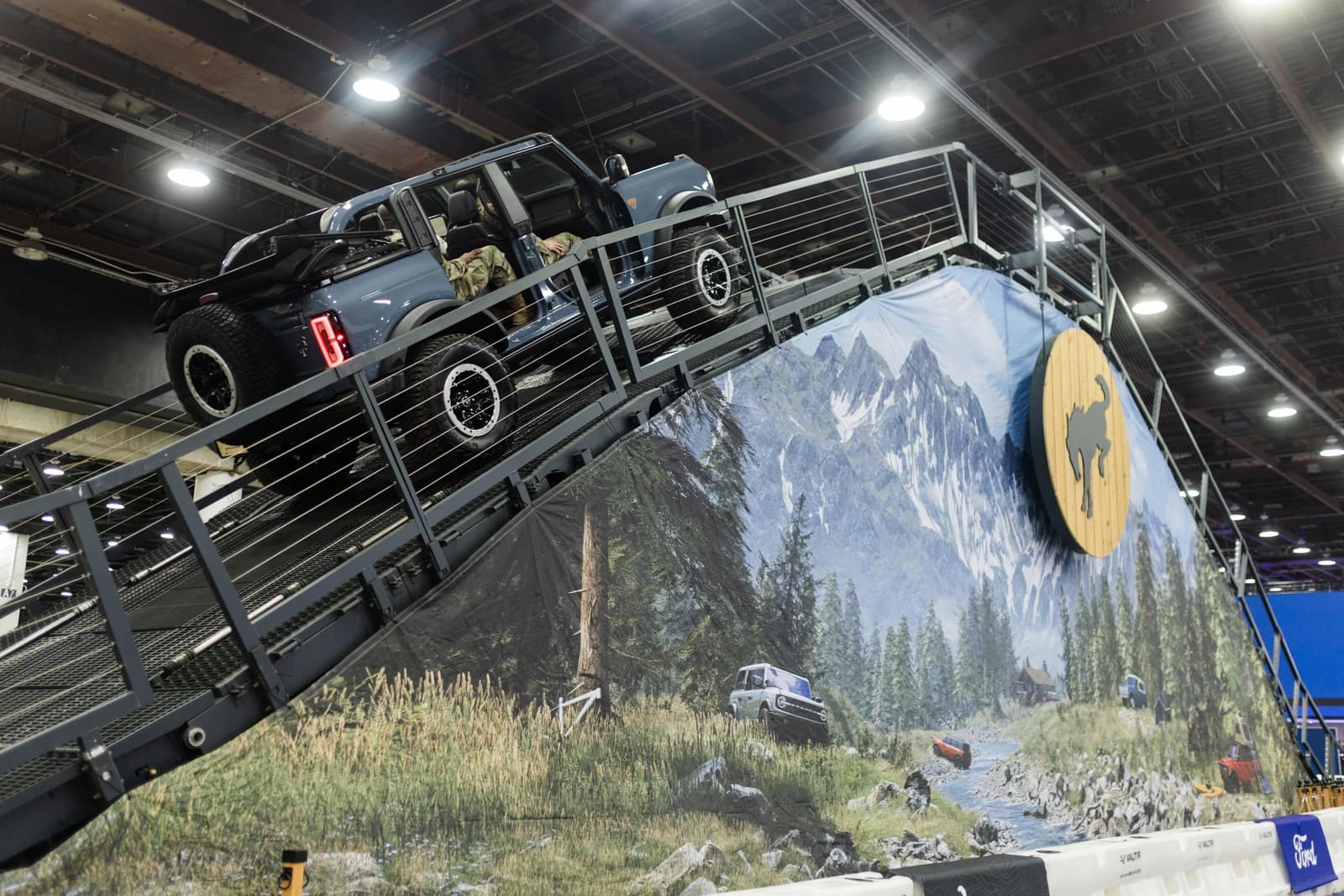
The new Outer Banks trimline and celebratory packages give Ford another way to lift transaction values on a vehicle that has already proven it can sell in volume. The Bronco posted U.S. sales of 116,227 in its first full return year and climbed to 139,347 last year, underscoring that the nameplate has matured from nostalgic comeback to a stable source of demand. For Ford, that matters because large, high-content SUVs remain among the company’s most valuable products, especially at a time when investors are still watching margins across its traditional combustion lineup and its loss-making EV business.
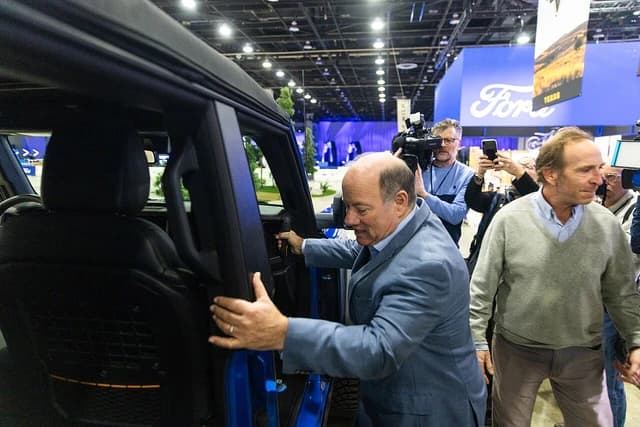
The 2026 Outer Banks edition, priced as tested at $69,065, shows how Ford is leaning on trims, packages and personalization to stretch the Bronco’s revenue potential. The model’s Sasquatch package alone adds $6,465, while the 60th Anniversary package costs $4,995 and the Outer Banks package another $2,825. That kind of accessory and option mix is important in auto retail because it can widen margins without requiring materially higher production volumes. In effect, Ford is monetizing the Bronco’s cachet rather than relying only on unit growth.
That strategy fits a broader industry pattern. Sport-utility vehicles with strong lifestyle branding have tended to outperform plain-vanilla crossovers because they can attract both enthusiasts and affluent suburban buyers willing to pay up for design, capability and image. The Bronco’s appeal is especially durable because it occupies a distinct niche: it is not the most practical family hauler, nor the most efficient commuter, but it is arguably the segment’s standout four-door off-road choice in both new and used markets. That positioning has helped preserve pricing power even as the broader auto market has become more promotional.
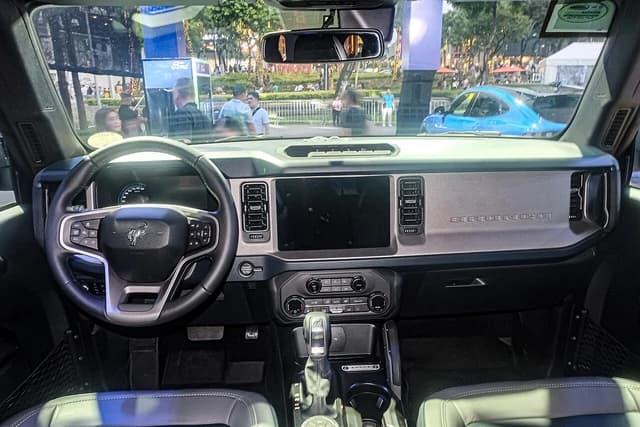
Ford is also broadening the vehicle’s appeal with more technology content, including a new subscription-based Connectivity package with Wi‑Fi hotspot and streaming functions. That is another margin lever, though one that comes with execution risk if buyers resist recurring fees or if Ford struggles to make connected services feel essential rather than optional.
The product’s financial significance is amplified by the state of Ford’s stock, which has been volatile and is currently trading below its 50-day and 200-day moving averages in the low-$12 range. Technical indicators such as RSI and MACD suggest the shares have recently been under pressure after a sharp run-up earlier in the year. In that setting, a well-received Bronco cycle matters because it can support the case that Ford still has pockets of pricing power and brand strength even as the market remains skeptical about the company’s broader industrial turnaround.
The bull case is straightforward: the Bronco remains a highly differentiated truck-based SUV with a loyal customer base, strong option take rates and a heritage advantage rivals cannot easily copy. The bear case is that the vehicle’s high fuel use, road noise and limited towing capacity cap its mass-market reach, while Ford’s wider business still faces supply-chain, recall and competitiveness concerns. If demand for this trim holds, it reinforces the idea that Ford’s most valuable franchises are still its nameplates with emotional pull and high-margin content, not its newest technologies.
For investors, the 2026 Bronco is a reminder that Ford’s valuation story will continue to hinge on whether legacy products can keep funding the transition to software, electrification and new mobility offerings. If the Bronco’s mix stays healthy, it helps cushion the company against softer periods elsewhere. If not, Ford loses one of the clearest examples of a product that can turn brand equity into profit.
| Entity | Gains | Losses |
|---|---|---|
| Ford Bronco | ▲Higher trim revenue | ▼Practicality-focused rivals |
| Ford | ▲Margin support from options | ▼Skeptics of legacy auto |
| Buyers seeking off-road SUVs | ▲More premium choice | ▼Fuel-efficient commuter shoppers |
| Jeep Wrangler / Toyota 4Runner | ▲Benchmark rivalry pressure | ▼Bronco share in niche segment |