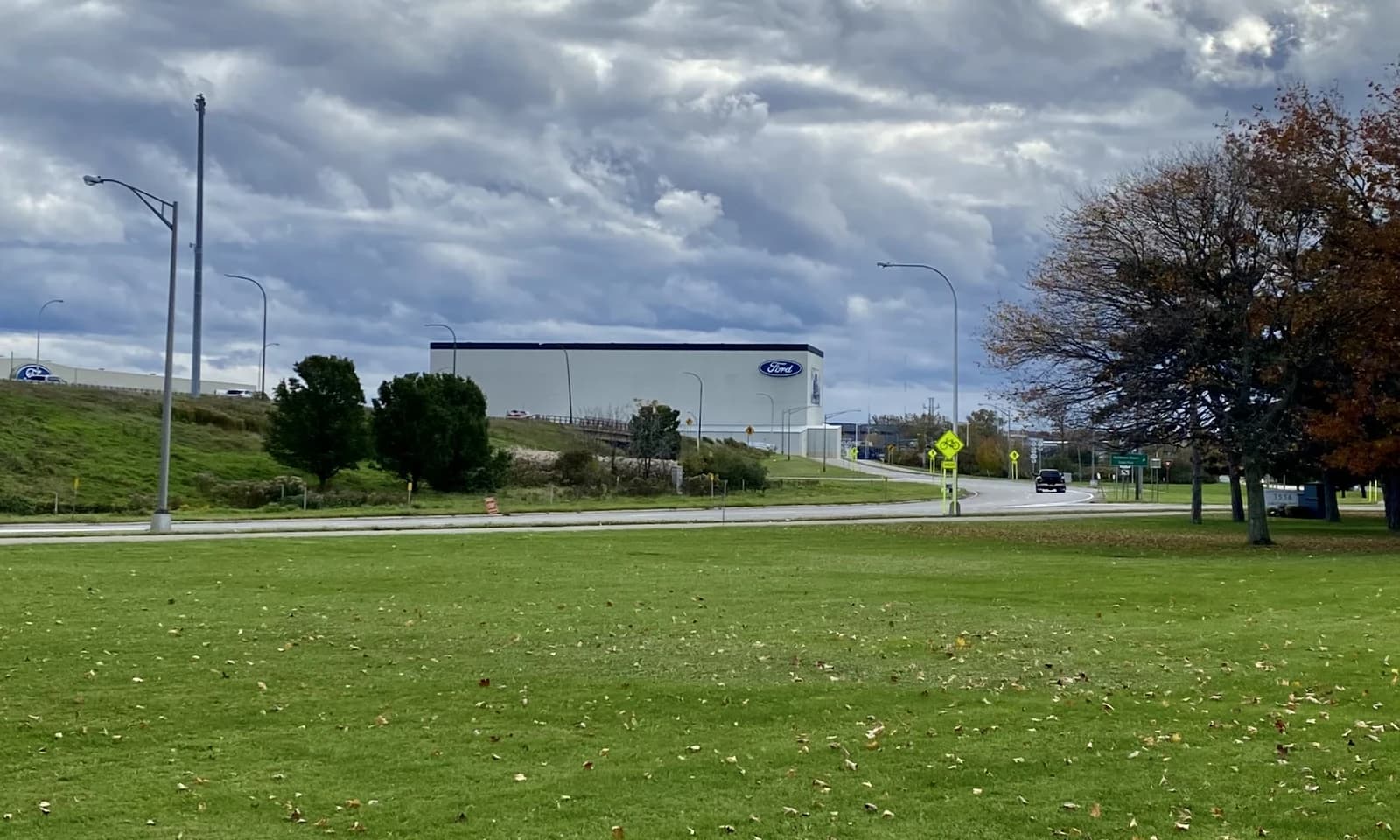
Ford’s first test of drone delivery for auto parts in metro Detroit may sound small, but it points to a bigger shift in how dealers and service networks could move inventory, cut downtime and protect margins.
Ford tests drone delivery for auto parts in Detroit

A Ford dealership group in Michigan has begun field trials using autonomous drones to deliver spare parts, including oil filters, across the greater Detroit area. The first flight reportedly moved a package from the Ford distributor’s headquarters to a quick-lube and service center in less than two minutes — a striking contrast with truck delivery through traffic. The drones are equipped with emergency parachutes, underscoring that this is still a pilot program, but one aimed at a very practical problem: getting repair parts to technicians faster.
Sentiment IndicatorsⓘProprietary · adalytica.com · September 4, 2026
This is a snapshot — live sentiment, awareness and momentum for 130+ markets update continuously in the dashboard.Open AlphaPulse
That matters because service is one of the most durable profit engines in the auto business. Every minute a customer’s vehicle sits waiting for a part can mean longer shop times, lower bay utilization and weaker customer satisfaction. If drones can reliably move small, urgent parts within a 12-mile radius, dealerships could reduce bottlenecks without adding more vans, drivers or time lost to congestion. In an industry where labor, logistics and customer experience all matter, that is the kind of operational improvement investors should pay attention to.
The project is backed by as much as $740,000 from Michigan’s advanced air mobility fund, showing that state governments are willing to help finance practical drone use cases, not just futuristic concepts. The aircraft, built by Blueflite, can carry up to 7.6 pounds and are designed to keep the cargo box stable in flight. Ford says discussions are ongoing and no final decision has been made, which is typical for early-stage deployments. But the first successful delivery suggests the concept is moving from novelty to operational testing.
For Ford, the timing is especially interesting. The company has been working to keep service operations efficient while also navigating a changing production footprint and a highly competitive retail market. Tools that improve dealer throughput and parts availability can support higher-margin aftersales revenue, which is more stable than new-vehicle sales. Over time, that can strengthen the economics of Ford’s dealer network and improve the customer experience that keeps buyers coming back.
There is also a broader logistics angle. UPS and FedEx continue to dominate package delivery, but this pilot shows how automakers and dealers may increasingly use specialized air delivery for short-haul, time-sensitive items. If regulations and economics line up, the real winners could be service departments, customers waiting for repairs and suppliers selling fast-moving components.
Investors should view this as part of a longer-term trend: automakers using automation not just in factories, but across the entire ownership cycle. The near-term revenue impact is likely modest. But if Ford and its dealers can prove that drones save time, reduce delivery costs and raise shop productivity, that could become a meaningful competitive advantage. Worth watching for patient investors.
| Entity | Gains | Losses |
|---|---|---|
| Ford dealers | ▲Faster parts delivery | ▼More logistics complexity |
| Customers | ▲Shorter repair waits | ▼Less benefit from traditional delivery networks |
| Blueflite and drone suppliers | ▲New commercial use case | ▼Slower adoption if trials stall |
| Truck-based parts delivery | ▲Less traffic dependence | ▼Some local delivery demand |