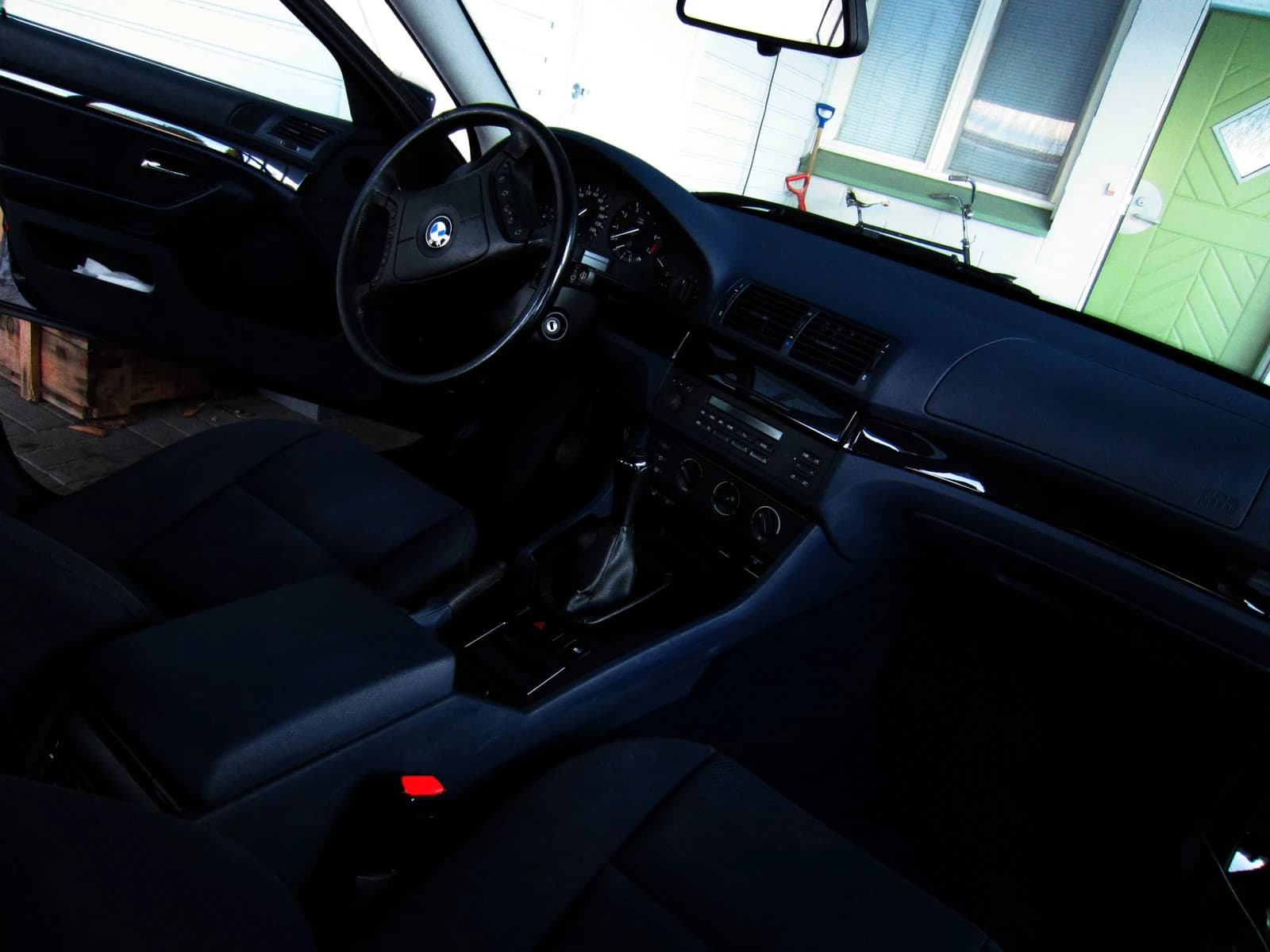
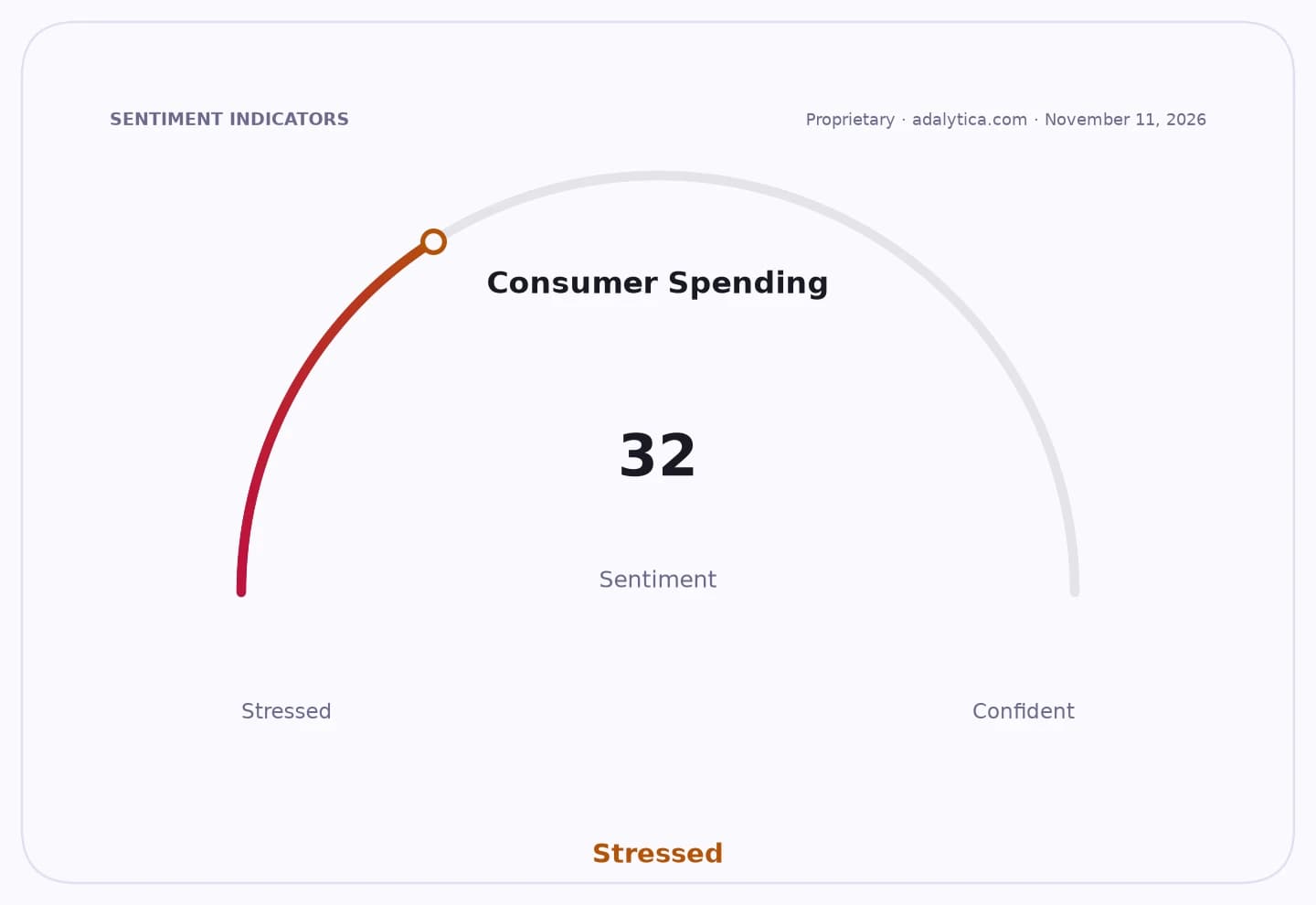
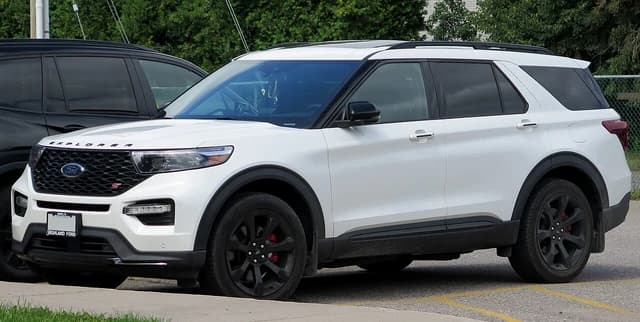
Ford’s highest-trim 2027 Explorer is getting pricier, and that matters because it shows the company is leaning harder on richer equipment and powertrain upgrades to protect margins in one of its most important nameplates. For investors, the key question is whether buyers will accept the higher sticker price without forcing Ford into heavier incentives later.
Ford Explorer 2027 top trim gets pricier
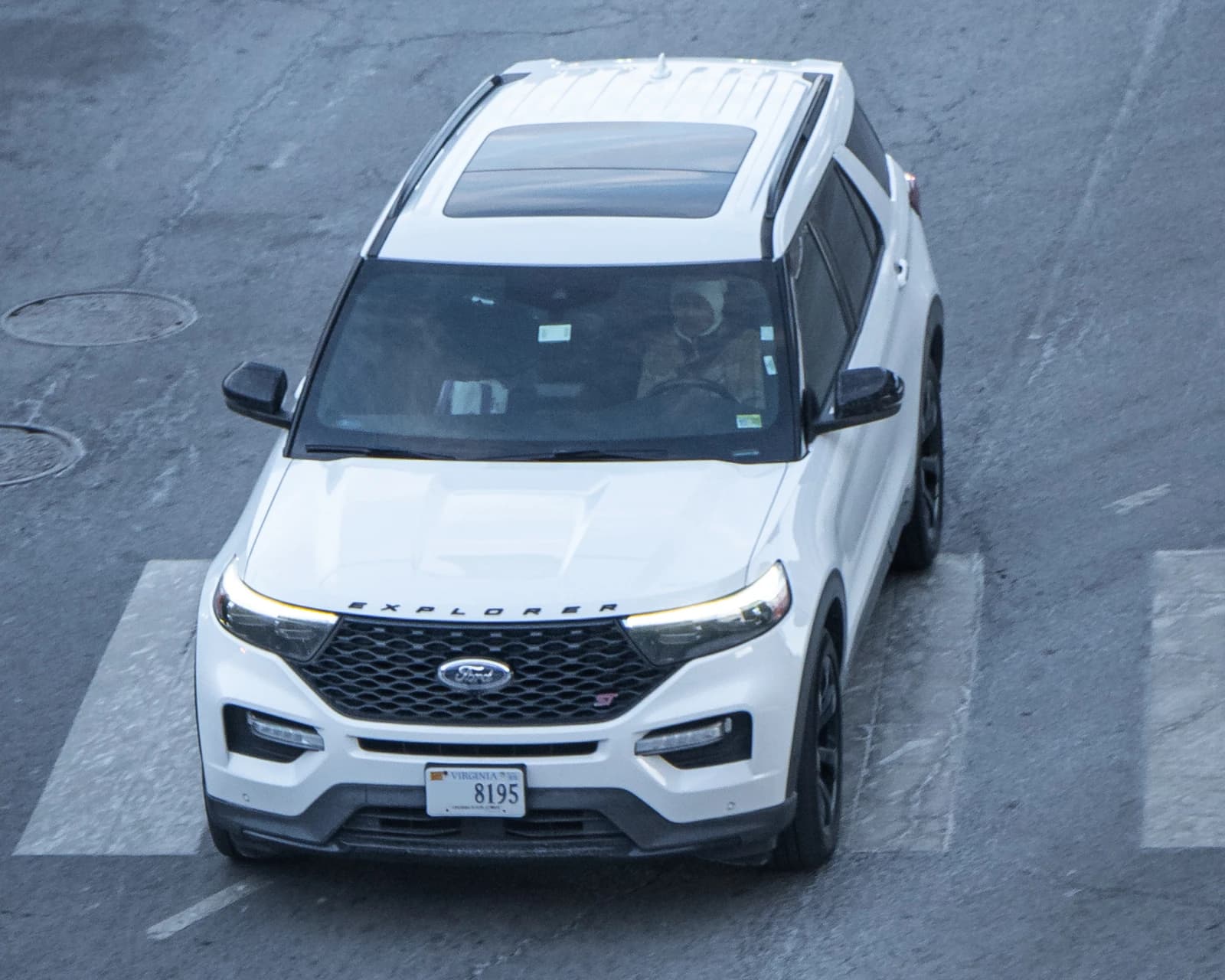
The move fits a broader shift in the SUV market, where automakers are charging more for hybrid systems, advanced tech and premium trim content rather than competing only on base price. That strategy can lift average transaction prices and gross margins, but it also raises the risk of a demand hangover if consumers trade down or wait for discounts.
Sentiment Indicators
Ford shares closed at $12.25 on Nov. 11, near the top of a tight recent trading range, while the stock remains below its 200-day moving average of about $12.98. The 50-day moving average sits near $12.51, suggesting the shares are still consolidating after a volatile year in which investors have been whipsawed by EV demand concerns, tariff worries and uneven profitability across the industry.
General Motors, by contrast, has held up much better, with its shares at $88.90 and comfortably above both its 50-day and 200-day moving averages. That relative strength underscores how much investors are favoring automakers with steadier pricing power and cleaner earnings visibility.
The Explorer pricing also lands as the broader equity market shows signs of excess optimism, with Adalytica’s S&P 500 trade signals flashing “Extreme Greed.” In that backdrop, any sign that Ford can defend higher SUV pricing could help sentiment toward the stock, but a weak consumer response would quickly turn into another margin headwind.
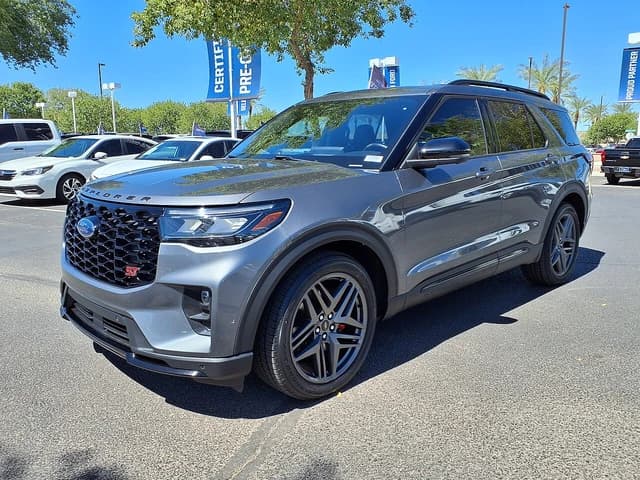
For Ford, the next catalyst is whether the refreshed Explorer’s top trims can hold demand against increasingly crowded SUV competition from Toyota, BYD and others pushing hybrid and feature-rich models. If the premium versions sell through cleanly, the payoff is better mix and higher profitability; if not, investors should expect incentive pressure to reappear.
| Entity | Gains | Losses |
|---|---|---|
| Ford | ▲Higher average transaction prices | ▼Volume if buyers balk |
| SUV buyers wanting premium features | ▲More tech and efficiency | ▼Higher sticker prices |
| Competitors with cheaper trims | ▲Price-sensitive shoppers | ▼Premium pricing power |
| Ford shareholders | ▲Margin upside if mix improves | ▼Discount risk if demand softens |