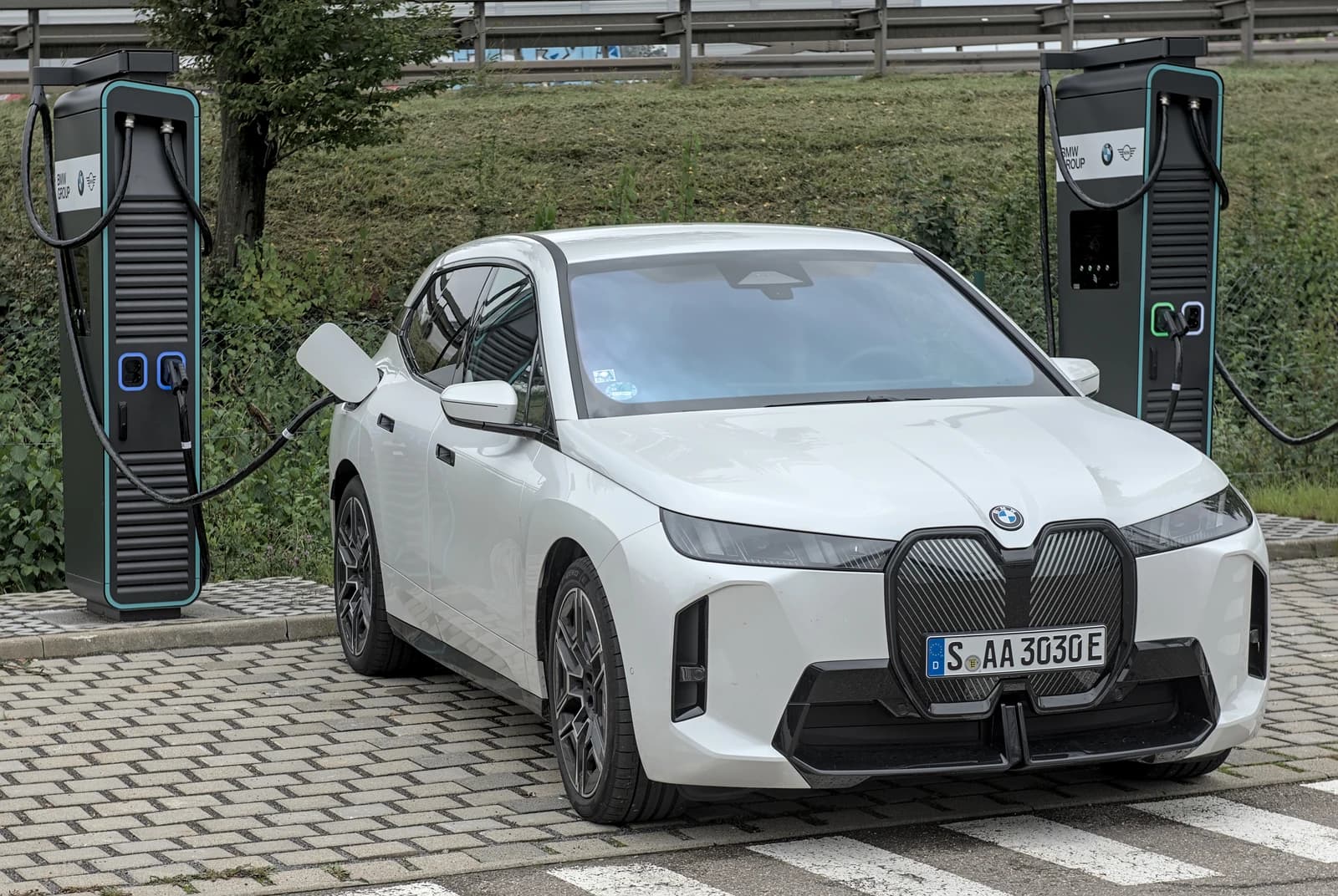
The BMW 5 Series is still commanding strong used-car prices even as Germany’s latest inspection data show it develops more faults than average with age, underscoring how demand for premium ex-fleet sedans can outweigh repair risk in the secondary market.
BMW 5 Series Used Prices Stay Strong in Germany
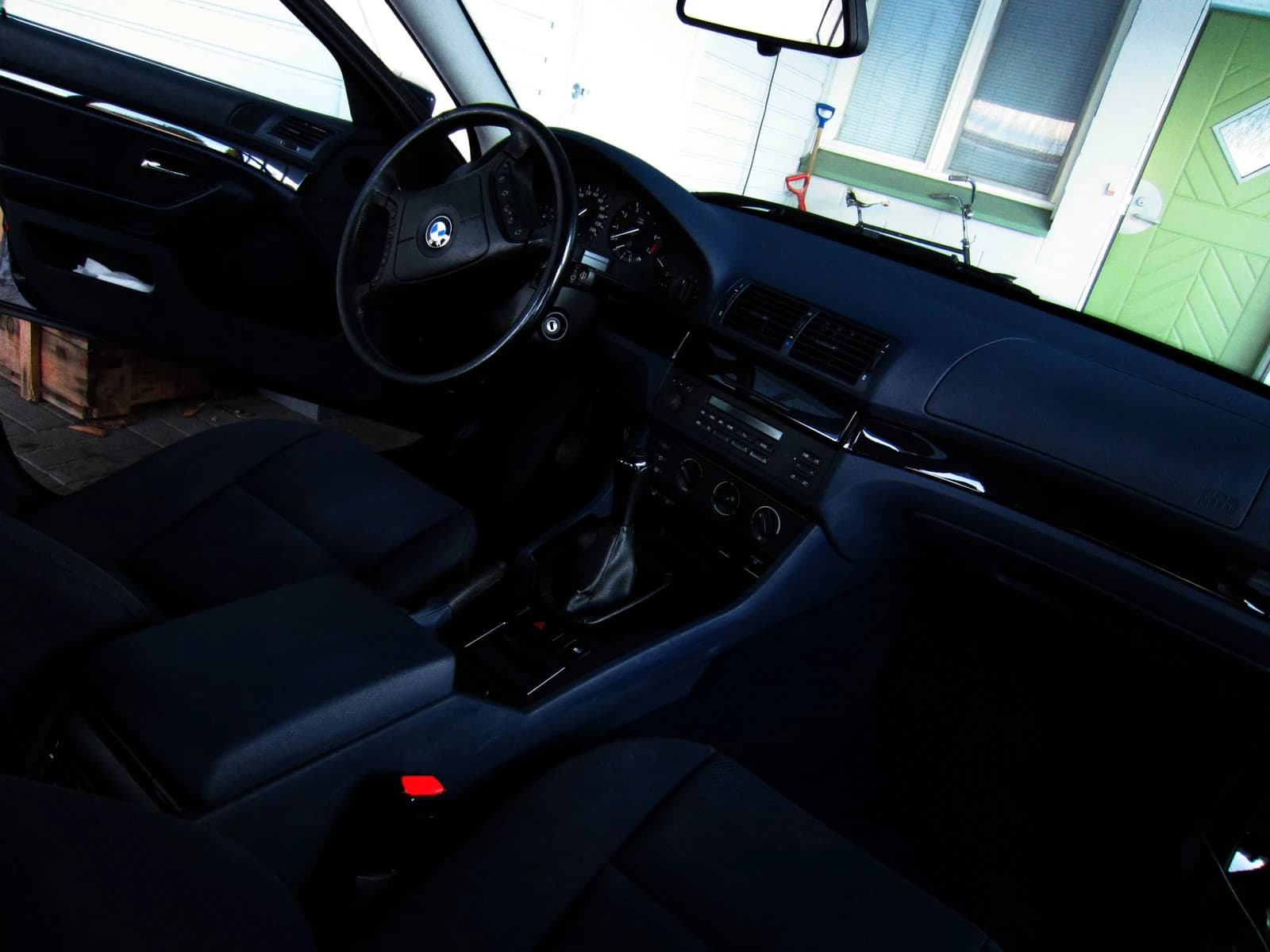
That tension between desirability and durability is the key economic story. The 5 Series is one of the most common business cars on German roads, and its heavy first-life usage is showing up in the TÜV report: by the fourth inspection, around the nine-year mark, suspension springs, dampers and driveshafts are cited more often than average, while front lighting faults become more common from the fifth check. Yet the same cars remain sought after, keeping prices elevated in a used market that has been under pressure elsewhere.
Sentiment Indicators
The appeal is easy to see. Buyers get a large premium sedan or Touring wagon with broad engine choice, including diesels, plug-in hybrids and high-performance M variants, at a discount to new-car pricing. The sixth and seventh generations also offer respectable packaging and relatively low rust risk, while brakes, steering and rear lighting are generally solid across the line, according to the TÜV-Report and ADAC breakdown data.
But the economics are less flattering for owners and dealers relying on low total cost of ownership. The model’s popularity as a company car means many examples have covered far more than average mileage before reaching the used market. That raises the risk of costly wear items: axle springs and dampers, propshafts and occasional oil loss later in life. Some models also have recurring issues with alternators, pulleys, coolant hoses or the engine itself, meaning buyers cannot rely on the badge alone.
The price examples from Deutsche Automobil Treuhand show why the car still attracts money despite those risks. A 2016 528i xDrive with 160,000 kilometers is valued at 15,346 euros. A 2015 518d Touring with 207,000 kilometers still fetches 9,503 euros. Even a 2020 530e xDrive Luxury Line Touring with 109,000 kilometers is worth 25,252 euros. For the used market, that suggests the 5 Series remains a liquid asset: buyers are still willing to pay for size, status and diesel or hybrid efficiency, even when inspection history is not pristine.
For investors, the story is less about BMW itself than about the downstream ecosystem. A model like the 5 Series supports demand for parts, maintenance and inspection services, even as a growing share of high-mileage vehicles begins to age into their more failure-prone years. That is a tailwind for workshops and parts retailers, but also a warning that premium used-car pricing can mask rising reconditioning costs.
The broader market signal is that buyers are becoming more selective, not less willing to spend. In a used-car market that has softened in many segments, the 5 Series stands out as a business car that remains in demand because it still does the job well. The risk for purchasers is that the first owner absorbed the easy years; the second owner inherits the bill.
| Entity | Gains | Losses |
|---|---|---|
| Used-car buyers | ▲access to premium sedan value | ▼higher repair and inspection risk |
| BMW 5 Series sellers/dealers | ▲firm resale prices | ▼pressure from age-related defects |
| Repair shops and parts retailers | ▲more service demand | ▼buyers facing higher upkeep bills |
| Fleet/ex-business car owners | ▲strong residual values | ▼need to prove maintenance history |