Ford's 2026 F-150 Lobo is another reminder that the company’s most valuable truck franchise still wins by mixing familiar hardware with features buyers are willing to pay extra for.
Ford F-150 Lobo adds $4,695 trim package
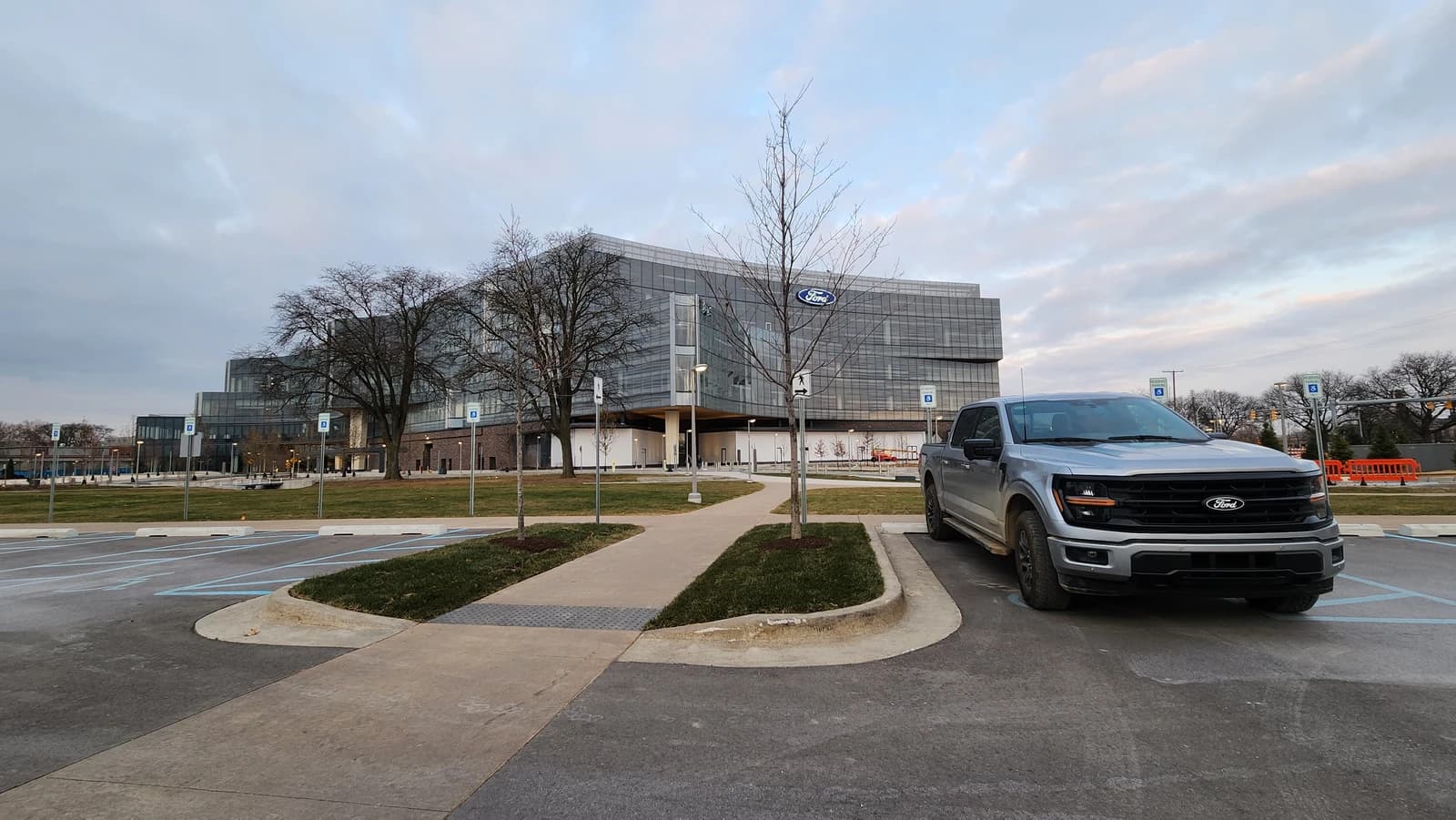
That matters because the F-Series is not just a vehicle line, it is one of Ford’s core profit engines. The Lobo package adds $4,695 to a standard STX setup and dresses it up with 22-inch gloss-black wheels, blacked-out trim and other appearance upgrades. For investors, that kind of trim strategy is important: it lifts average selling prices without requiring a wholesale redesign, and it helps Ford monetize a truck platform that has already proved its durability and broad appeal.
The Lobo comes with Ford’s 5.0-liter V-8, 400 horsepower, a 10-speed automatic transmission and an estimated 600-mile range on a full tank, reinforcing the formula that keeps full-size pickups relevant across work and lifestyle buyers. In other words, Ford is not asking shoppers to choose between capability and image. It is selling both. That is a good business model in a segment where customers often accept higher transaction prices if the truck feels distinctive enough.
Ford’s pricing shows how much room the company has to stretch the F-150 brand. The Lobo tester carried an as-tested sticker of $62,235, well above the $51,070 base MSRP. That spread is where the economics get interesting. Pickup buyers have long been among the most receptive to trim ladders, and Ford has turned that into a durable advantage by offering enough variety to pull in value buyers and higher-margin buyers at the same time.
The broader truck market backdrop is still supportive. Ford recently said a short-term supplier issue disrupted F-150 production at the end of September, but it also said the financial impact should remain manageable within its full-year adjusted EBIT guidance. For investors, that suggests the underlying franchise remains intact even when production hiccups surface. A high-appeal model like the Lobo helps keep attention on the nameplate while Ford works through supply and cost issues.
Ford shares have also been trading with the stock’s broader technical picture improving from earlier weakness, while the company’s peers face their own margin and demand questions. General Motors has held up better on the chart lately, but Ford’s truck identity remains more emotionally resonant with U.S. buyers. Stellantis, meanwhile, is still trying to stabilize a far weaker stock and product mix. In a market that increasingly rewards companies with pricing power and recognizable brands, Ford’s pickup lineup remains one of its clearest strengths.
For long-term investors, the Lobo is less about one special edition and more about a repeatable formula: keep a proven platform fresh, charge more for design-led upgrades, and let the truck do the heavy lifting on margins and brand loyalty. That is the kind of compounding story that can matter for years, not weeks, and it is worth watching as Ford leans on its best-known nameplate.
| Entity | Gains | Losses |
|---|---|---|
| Ford | ▲Higher average selling prices | ▼Commodity-trim rivals |
| F-150 buyers wanting style | ▲Distinctive blacked-out design | ▼Shoppers seeking lowest price |
| Ford investors | ▲Margin-supportive truck mix | ▼Doubts about F-Series demand |
| GM and Stellantis | ▲— | ▼Relative attention in full-size trucks |