Ford’s push into lower-priced electric vehicles is already pulling in buyers before the truck even goes on sale, a sign the automaker may have found demand at a price point many rivals have struggled to crack.
Ford Fathom Waitlist Builds Before EV Pickup Launch
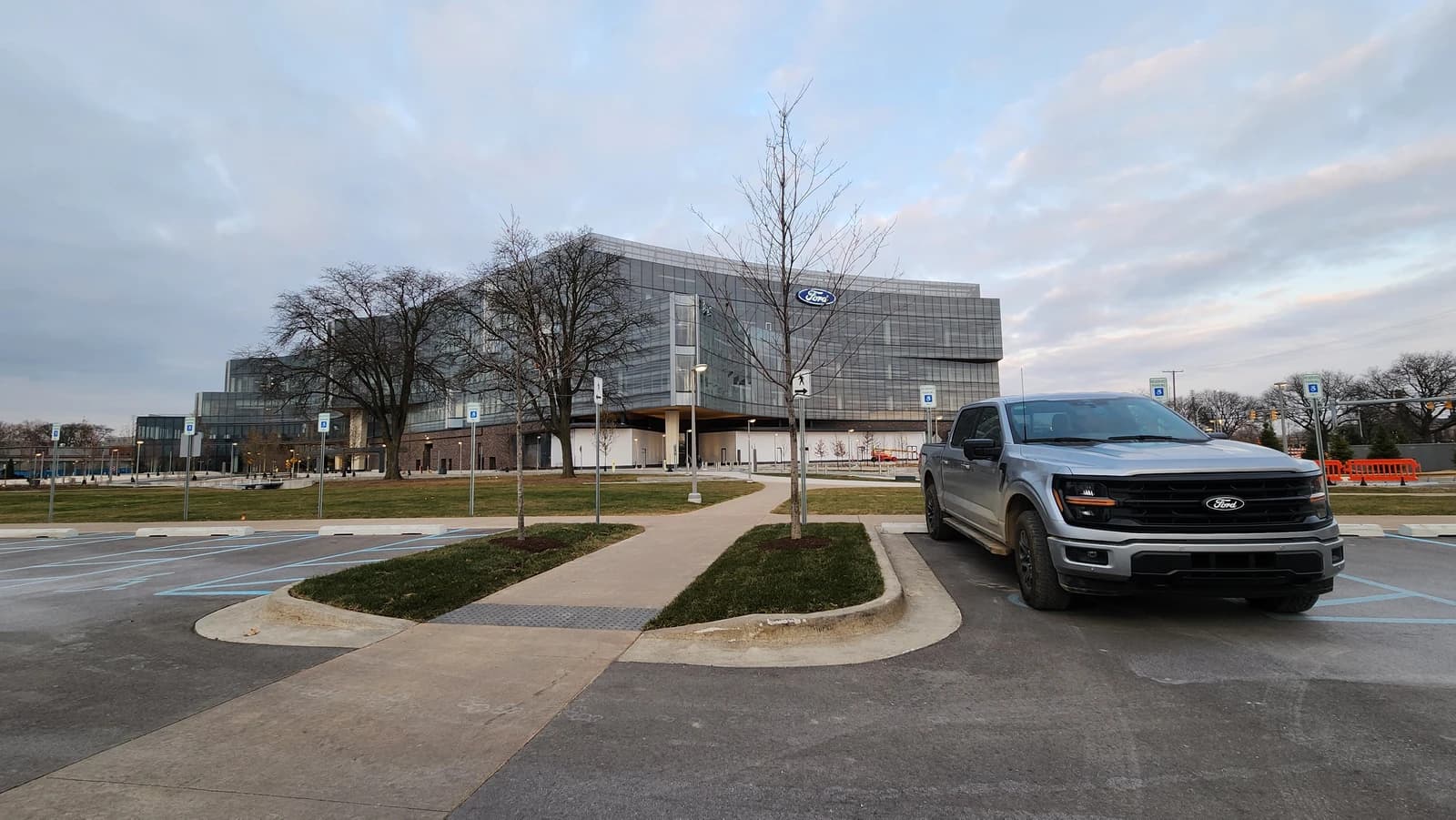
The key development is Ford Fathom, a small all-electric pickup priced below $29,945 in the U.S., which has not yet opened for deposits but is already building a growing waiting list. That matters because affordable EVs remain the industry’s most important growth lever as global electric-vehicle sales have lost momentum, falling 2% in September after a six-month run of gains. For Ford, a truck positioned as cheaper, smaller and more urban-friendly than its larger pickup lineup could broaden the market beyond traditional full-size truck buyers and help the company defend share against Tesla, General Motors and Chinese EV makers in a segment where price has become the main battleground.
Sentiment IndicatorsⓘProprietary · adalytica.com · October 20, 2026
This is a snapshot — live sentiment, awareness and momentum for 130+ markets update continuously in the dashboard.Open AlphaPulse

Ford has disclosed few hard specifications, but the product itself carries strategic weight. The company says the Fathom will use a 400-volt system and lithium iron phosphate, or LFP, batteries, both cost-conscious choices that are now standard among EV makers trying to lower sticker prices without relying on expensive battery chemistries. It will be the first model on Ford’s compact UEV electric platform, with rear-wheel drive standard and an all-wheel-drive option possible later. Ford also says it will support bidirectional power export, a feature that can appeal to buyers who camp, work off-grid or want backup power in outages, while the cabin will include digital key access, app control, a large touchscreen with Apple CarPlay and Android Auto, and BlueCruise hands-free driving, likely as a paid add-on.
The waitlist is important for investors because it suggests Ford may have priced the truck close enough to real consumer demand to create scarcity before launch. That is a different signal from the broader EV market, where price cuts have often been used to clear inventory rather than build anticipation. In a market where affordability is driving adoption, a sub-$30,000 EV pickup could improve Ford’s mix if it attracts incremental buyers rather than cannibalizing higher-margin models. It also gives Ford another lever in its effort to make Model e less of a drag on earnings, after the company said in its latest guidance that the EV unit is still expected to post a large loss.
There are still meaningful risks. Ford has not disclosed range, charging speed, output or towing capacity, all of which will determine whether the Fathom is a genuine volume product or mostly a design exercise. The company also faces a delicate balancing act: too much equipment and the price advantage disappears, too little and the truck may not satisfy pickup buyers. And while the pipeline into markets such as Vietnam may eventually matter, the immediate story is the U.S. market, where Ford is trying to prove that an electric pickup can be both affordable and commercially viable.
For shareholders, the Fathom is less about one model than about whether Ford can reset the economics of its EV strategy. A successful launch would support the bull case that the company can use disciplined pricing, LFP batteries and a smaller platform to reach a broader buyer base without relying on premium trims. The bear case is that demand interest proves shallow once deposits open and specifications are revealed, leaving Ford with another promising EV headline but limited margin relief.
| Entity | Gains | Losses |
|---|---|---|
| Ford | ▲Early demand signal | ▼Execution risk if specs disappoint |
| EV buyers | ▲Lower-priced pickup option | ▼Limited range/spec transparency |
| Tesla | ▲Broader EV-market validation | ▼Price pressure in affordable segment |
| GM and rivals | ▲Faster small-EV adoption backdrop | ▼More competition in value EVs |