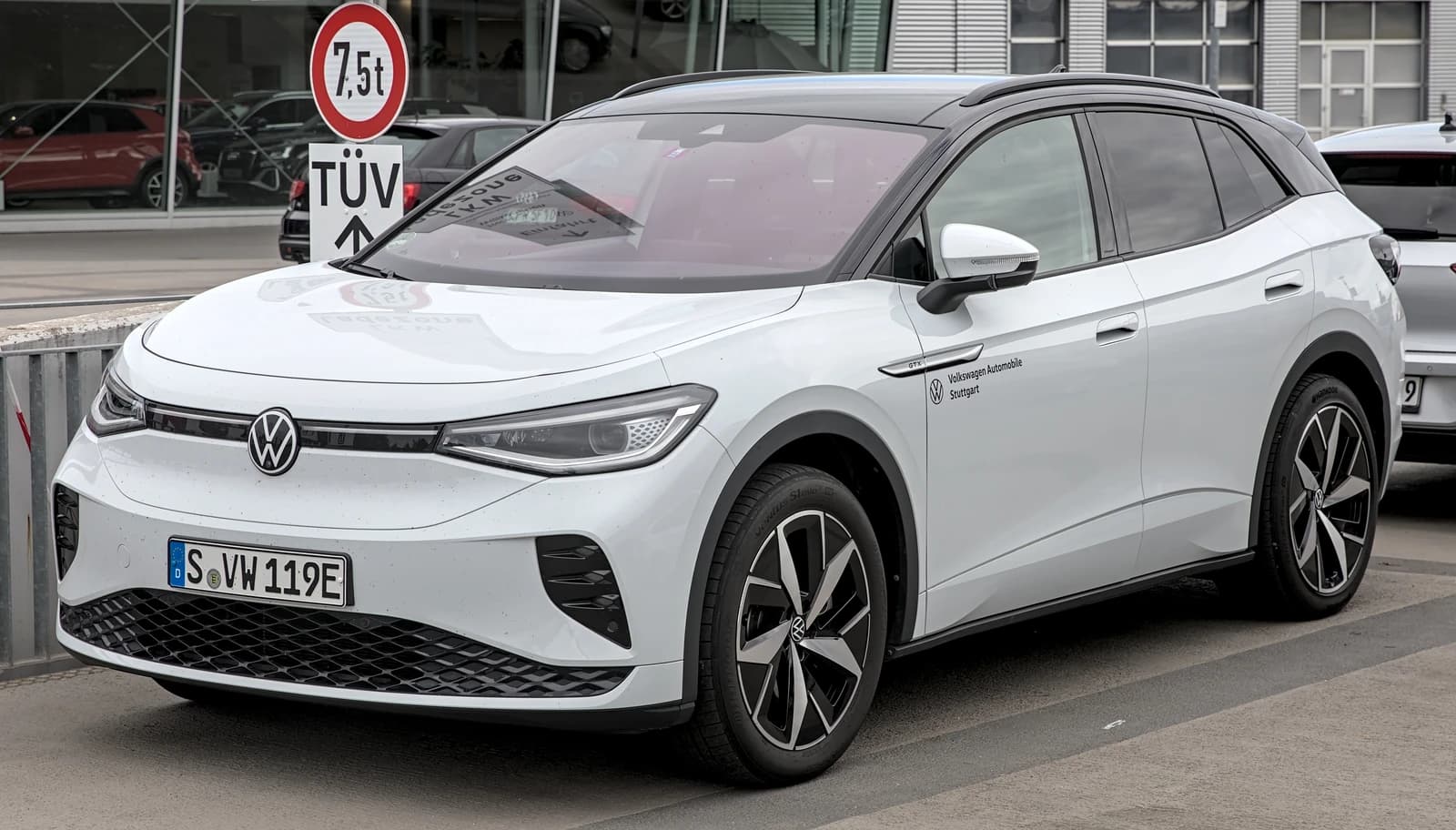
Ford, Honda, Stellantis and Volkswagen have turned a state dealer-pay dispute into a much bigger fight over who captures profit in the auto repair business — and whether lawmakers can force automakers to subsidize warranty and recall work at potentially hundreds of millions of dollars a year.
Ford, Honda, Stellantis, VW Sue New Jersey Over Repair Law
The four automakers sued New Jersey in federal court to block a law they say would cost them more than $375 million annually by letting franchised dealers set prices for warranty, recall and other repairs through a labor-multiplier formula and marked-up parts charges. That matters because repair work is one of the last dependable profit pools in the industry: if dealers can reprice it upward, the burden lands directly on manufacturers already squeezed by electrification capex, software spending and weak pricing power in parts of the market.
Sentiment Indicators
The companies argue the New Jersey Motor Vehicle Open Recall Notice and Fair Compensation Act gives dealers a “blank check,” while the state’s dealer lobby says the law simply stops automakers from extracting discount labor and parts from local businesses. That clash goes to the heart of the economics. Dealers want to protect service margins and leverage recall campaigns into higher compensation. Automakers want to keep warranty costs contained and preserve control over a channel that is already central to customer retention, brand quality and recall execution.
Investors should care because this is not just a New Jersey issue. It is part of a broader right-to-repair battle that could spread to other states, raising the odds of higher operating costs across legacy automakers already dealing with thin margins, expensive EV transitions and rising litigation risk. If the law survives, the financial hit is likely to be felt first in gross margin assumptions and dealer relations; if it fails, it reinforces manufacturer control over after-sales economics.
The stock reaction underscores the pressure points. Ford has been trading near its 200-day moving average after a volatile year, while Stellantis has been punished far more severely, with its shares deeply below longer-term trend measures as the market prices in structural margin stress. Honda has held up better, but the legal overhang still chips away at a sector where every basis point of service profitability matters. Volkswagen, meanwhile, faces the same squeeze in a global business already wrestling with Europe’s weak demand and costly transition spending.
The case also highlights a more durable investment theme: the after-sales ecosystem is becoming a battleground. If manufacturers lose pricing control, the winners are dealers, service operators and parts distributors that can extract more revenue from a captive repair base. If manufacturers prevail, the advantage stays with OEMs that can use scale, recall management and parts sourcing to defend margins.
For investors, the takeaway is clear: this is another reason to stay cautious on legacy automakers with high dealer exposure and thin free cash flow, while favoring businesses that sit on the supply side of the repair economy or have less dependence on warranty-heavy mass-market channels. The legal fight may take time, but the margin math is immediate.
| Entity | Gains | Losses |
|---|---|---|
| Dealers / N.J. auto retailers | ▲Higher repair revenue | ▼Less OEM pricing control |
| Ford, Honda, Stellantis, VW | ▲Cost containment if they win | ▼Higher warranty and recall expense |
| Parts suppliers | ▲More demand for marked-up parts | ▼Less if OEMs win pricing dispute |
| Legacy automakers broadly | ▲Lower regulatory spillover if they prevail | ▼Margin pressure if laws spread |