A 24-hour strike across major German metal and electronics plants is raising the cost of a wage standoff that could ripple through Europe’s biggest industrial base just as automakers try to defend margins and reset labor terms.
Germany Auto Strike Hits BMW, Mercedes and Opel
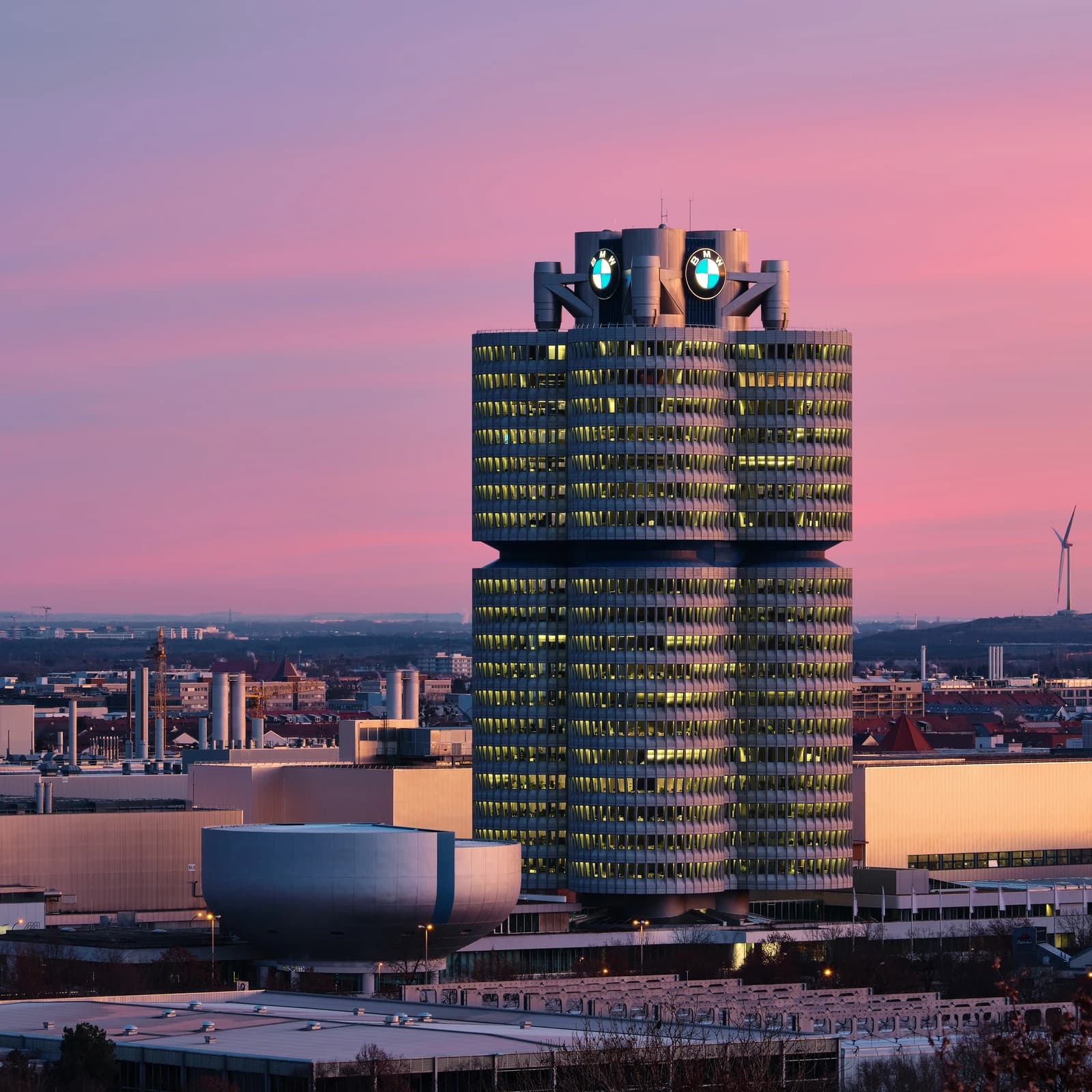
The walkout, backed by IG Metall, has shut production lines at Opel’s Eisenach plant and spread to companies including BMW, Mercedes-Benz and Thyssenkrupp Automotive, underscoring how quickly a pay dispute can turn into an operational risk for the country’s carmakers and their suppliers. For investors, the immediate issue is not just lost output for one day, but the possibility that Germany’s auto sector is entering a more prolonged phase of labor friction at a time when the industry is already wrestling with slower demand, higher restructuring costs and pressure to cut jobs.
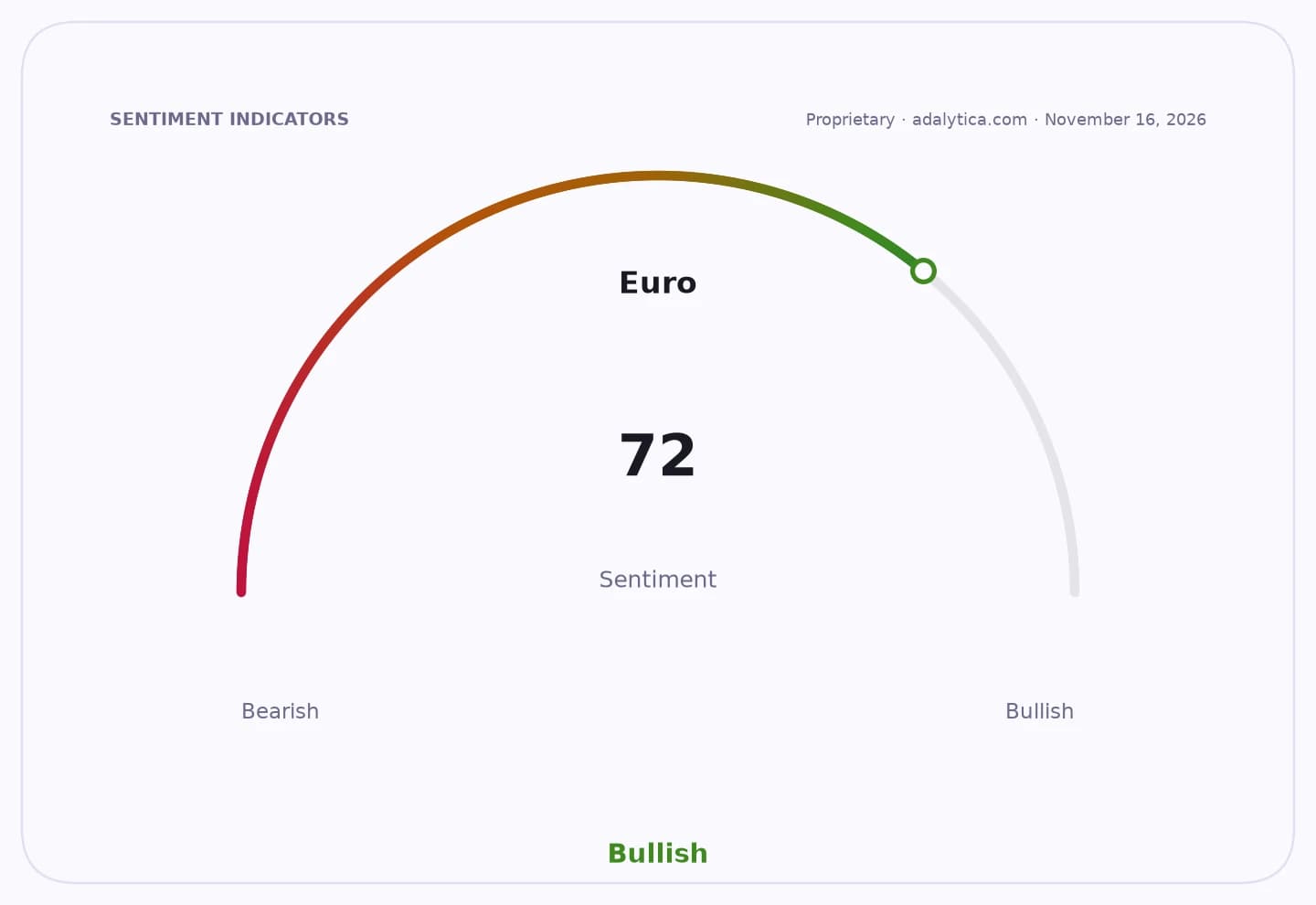
Sentiment Indicators
IG Metall, Germany’s largest union, is seeking a 5% wage increase over 12 months, while employers have offered a one-off payment next year and a staggered 1.3% increase only in 2028. That gap shows how far apart the two sides remain on the division of costs in an industry facing weak profitability and a difficult transition to electric vehicles. The union is trying to protect real wages and bargaining power after a period of elevated living costs, while management is seeking flexibility and wage restraint to preserve competitiveness against lower-cost rivals and absorb the burden of investment in new technology.
The strike matters economically because German carmaking still anchors a large share of the country’s industrial output, export earnings and employment. Even a short stoppage can interrupt tightly sequenced supply chains and create knock-on delays for component makers and logistics firms. It also adds to a wider industrial labor backdrop in Europe, where unions have been more willing to use strike threats to force movement in negotiations as companies push for labor savings.
Euro
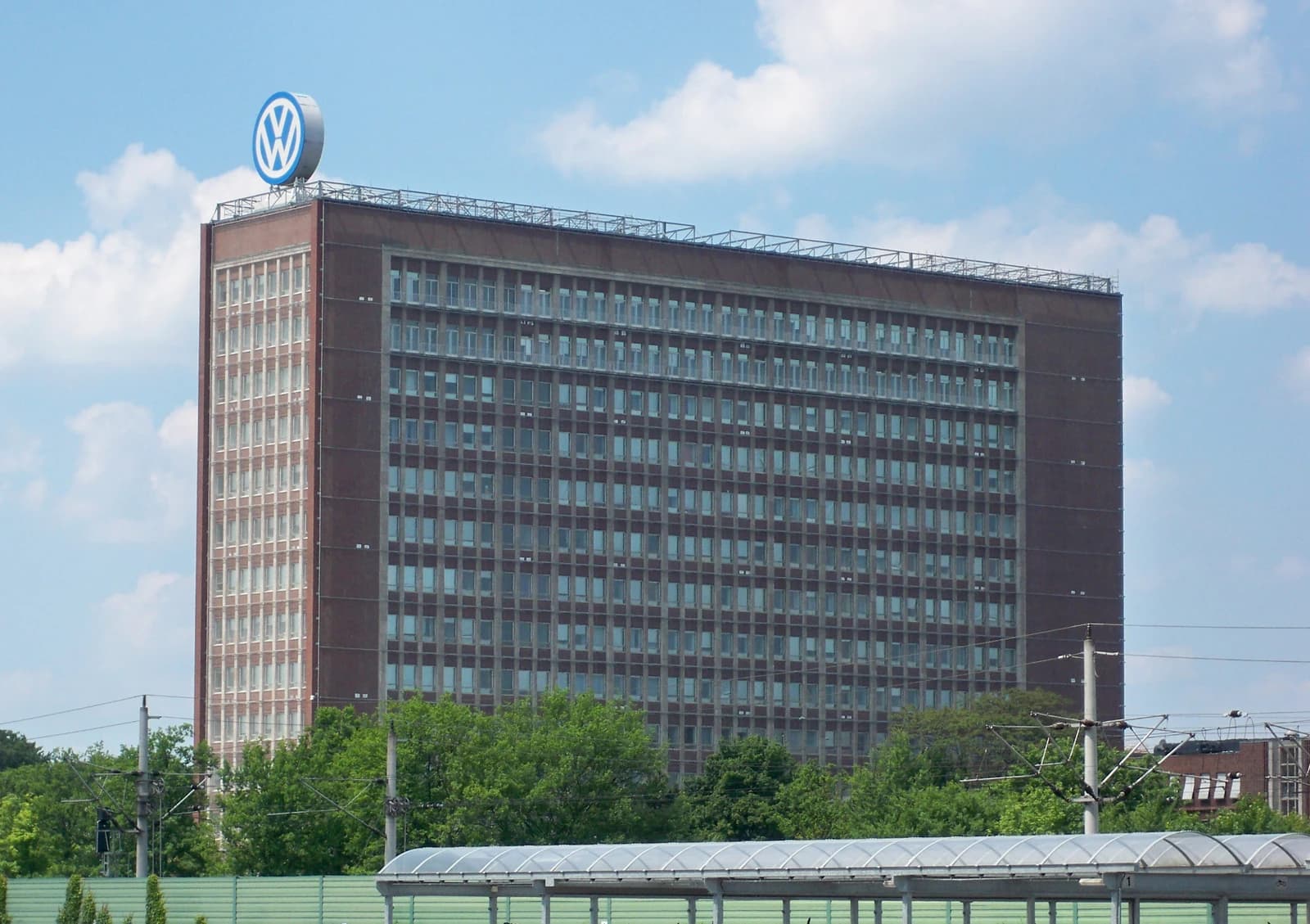
Volkswagen’s impending talks with IG Metall may prove even more important for the sector. The company begins bargaining on Tuesday for 120,000 employees in Germany after already agreeing late last year to eliminate 35,000 jobs by 2030. It has since warned that reductions could rise to as many as 100,000 and that it could close four German plants, including sites in Emden, Hannover, Zwickau and Neckarsulm. That escalation shows that wage bargaining is now entwined with a larger restructuring fight over the size and location of German production.
For investors in automakers and suppliers, the key question is whether this becomes a contained labor dispute or a signal of deeper margin pressure across German industry. A quick settlement would limit the damage to output and sentiment. A prolonged clash, however, could force more production losses, weaken earnings expectations and intensify scrutiny on whether Europe’s legacy carmakers can keep cost structures aligned with a slowing market and heavy capital spending needs.
| Entity | Gains | Losses |
|---|---|---|
| IG Metall | ▲leverage in wage talks | ▼if strikes drag on |
| German workers | ▲bargaining power | ▼pay from lost shifts |
| BMW, Mercedes-Benz, Opel | ▲none immediate | ▼production disruption |
| Volkswagen management | ▲cost-cutting cover | ▼labor conflict, restructuring risk |