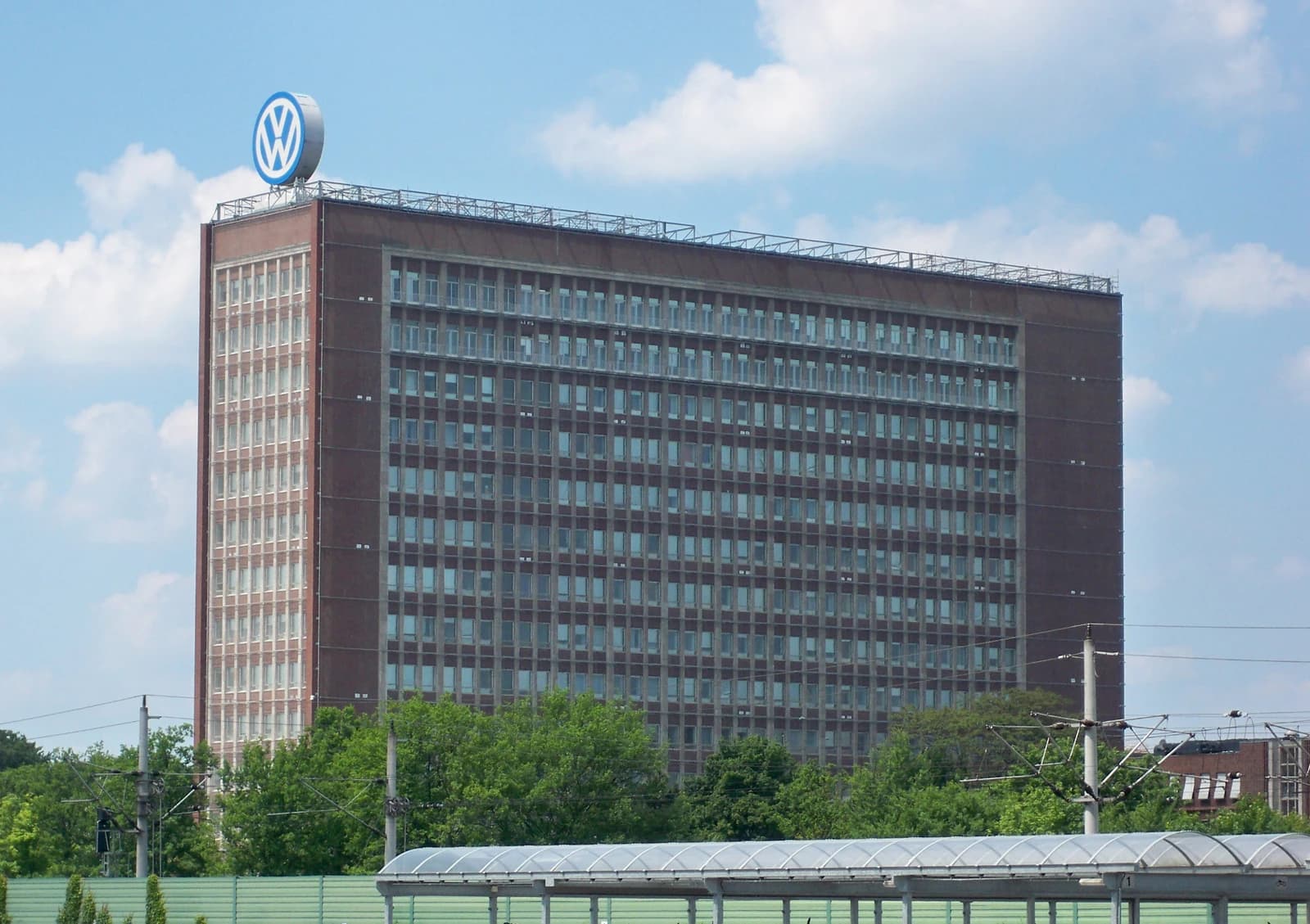
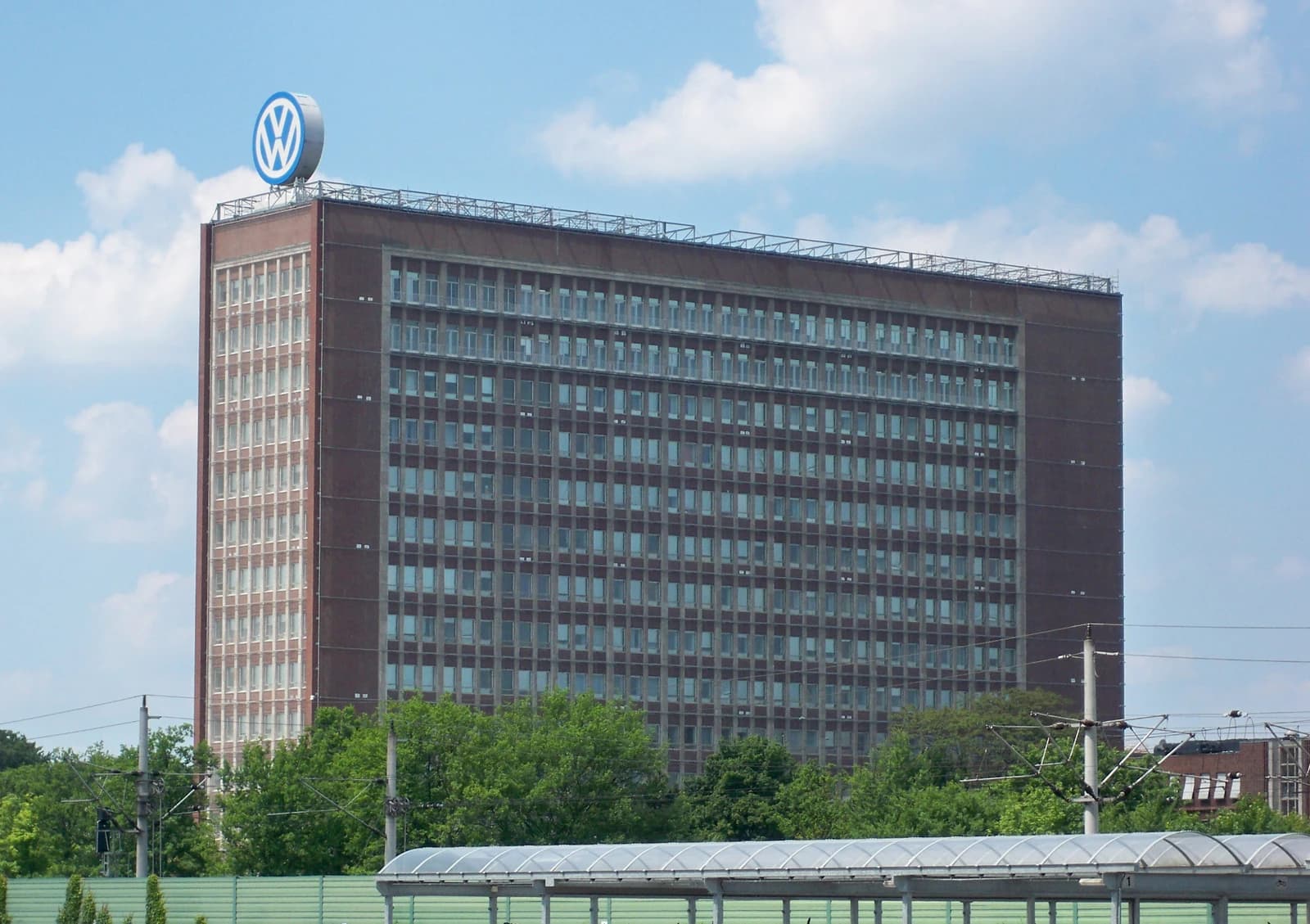
Volkswagen is pushing for a two-year wage freeze, bonus cuts and looser working-time rules in a move that risks shutdowns at its German plants and signals how hard the carmaker is pressing to protect margins as Europe’s auto industry slows.
Volkswagen Pushes Wage Freeze as Labor Talks Intensify
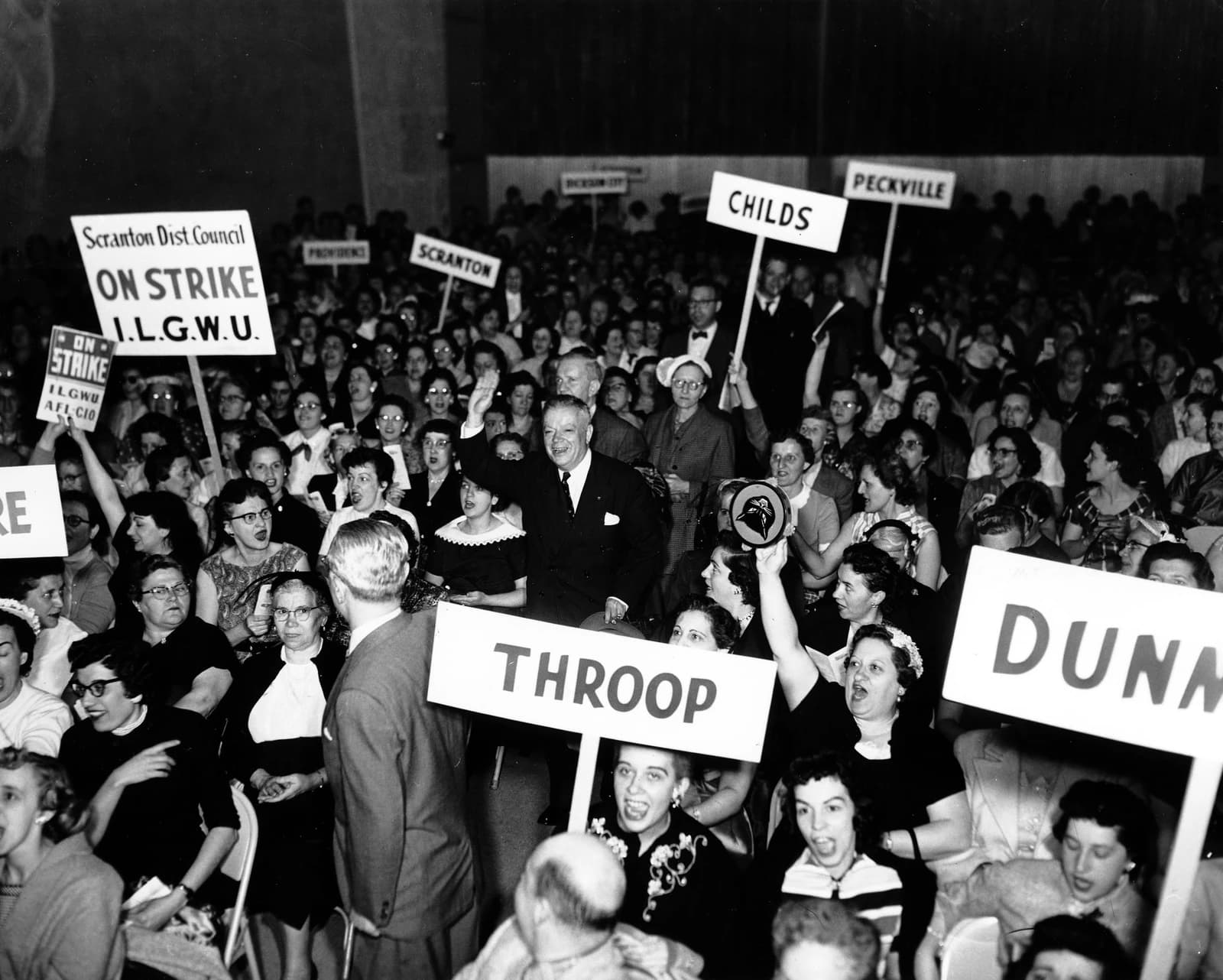
The demands landed as workers reacted sharply, with employees describing the plan as a betrayal after a recent deal raised the minimum wage by 7.5%. The company’s stance underscores the pressure facing Volkswagen, which is trying to contain labor costs while grappling with weak demand, high restructuring needs and a tougher operating environment across Europe.
Sentiment Indicators
For investors, the labor standoff matters because VW’s cost base is one of the key levers in a business already squeezed by competition, electrification spending and softer profitability. Any strike threat would add production risk, delay output and make it harder for management to show progress on margins and cash flow.
Volkswagen shares have reflected the strain. VWAGY closed at $6.67 on Nov. 20, down from $9.45 on Sept. 17 and well below the 200-day moving average near $9.12, while the 14-day RSI at 24.4 points to oversold conditions. The stock has also slipped beneath its 50-day moving average, reinforcing the bearish tone around the name.
The dispute has broader implications for Germany’s auto sector, where Audi and BMW plants are also facing strike threats as wage talks harden. If Volkswagen succeeds in imposing years of wage restraint, it could reset expectations across the industry; if unions force concessions, it would show labor still has leverage even as automakers try to cut costs.
Negotiations are set to intensify, and the next market catalyst will be whether union mobilization turns into a broader production disruption at Volkswagen’s German operations.
| Entity | Gains | Losses |
|---|---|---|
| Volkswagen management | ▲Lower labor costs | ▼Higher strike risk |
| VW workers and unions | ▲Preserve pay and bonuses if they win concessions | ▼Wage freeze and longer hours |
| Volkswagen shareholders | ▲Potential margin relief if costs fall | ▼Production disruption and labor conflict |
| German auto peers | ▲Possible precedent for cost-cutting talks | ▼More industry-wide labor unrest |